
Can Foreigners Buy Property in Singapore? (2026)
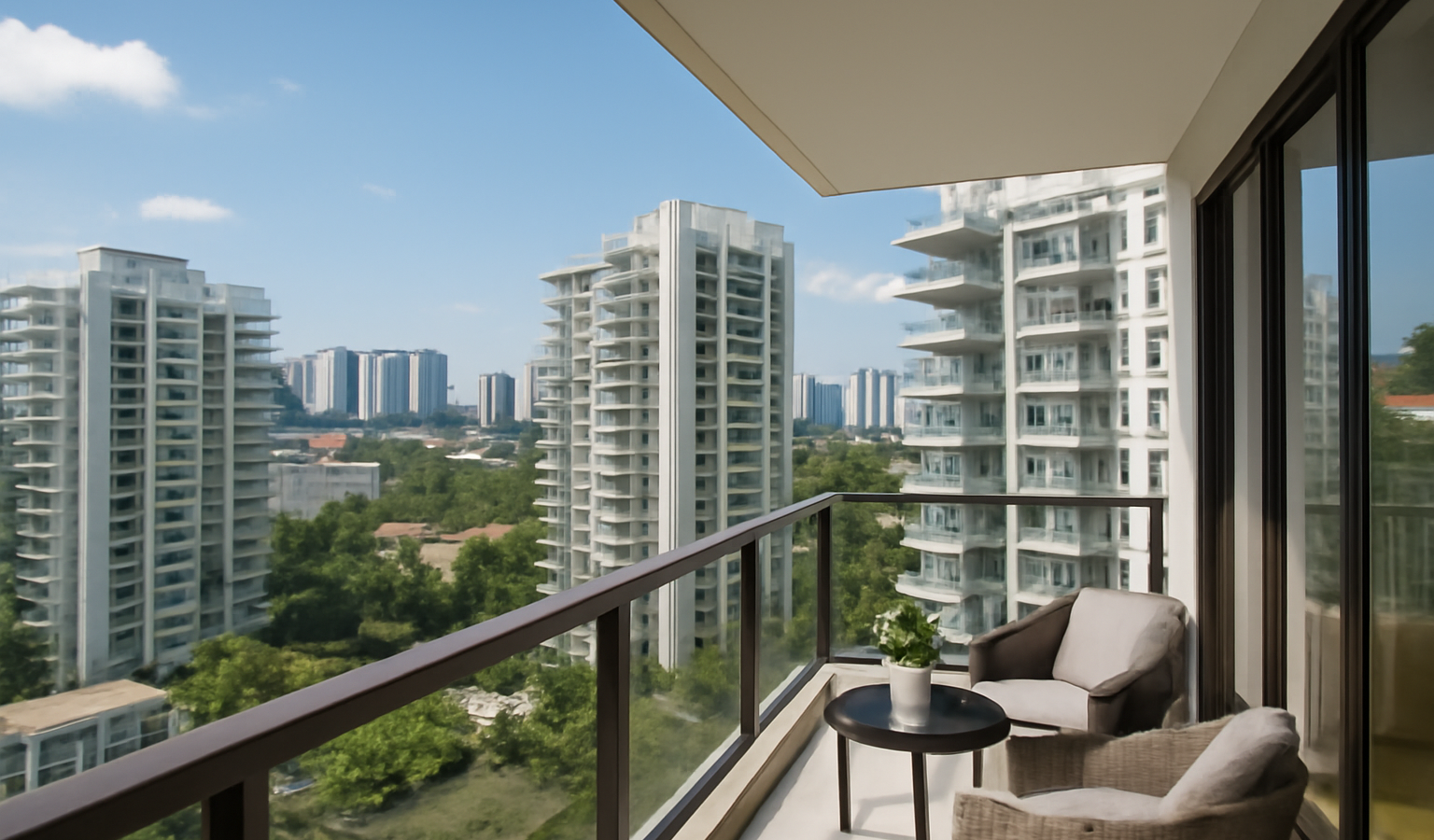
Singapore is one of the most open property markets in Asia, and every year plenty of foreigners buy homes here. But open does not mean unrestricted. What you can buy depends heavily on your residency status, some property types are off-limits without government approval, and the tax you pay on purchase is higher than for locals. Knowing where you stand before you start viewing saves a great deal of wasted effort.
The short answer
Yes, foreigners can buy property in Singapore, but only certain types. If you are a foreigner, meaning neither a Singapore citizen nor a permanent resident, you can generally buy private condominiums and apartments in non-landed developments without special approval. What you generally cannot buy is public housing, and you face restrictions on landed homes and land.
Your exact position also shifts if you are a permanent resident rather than a pure foreigner, and even further if you later become a citizen. So the first thing to pin down is which category you actually fall into, because the rules branch sharply from there.
Why HDB flats are off-limits
HDB flats are subsidised public housing built to serve Singapore’s own residents, so eligibility is tightly controlled. As a foreigner you cannot buy an HDB flat, whether new or resale. The schemes that govern who may buy a flat are built around citizenship and, in defined cases, permanent residency, and they require you to form an eligible family nucleus. Our explainer on HDB eligibility schemes and the family nucleus walks through exactly how those routes work.
This is not a technicality that can be worked around. The public housing system is deliberately reserved, and the private market is where foreign buyers are directed instead. The good news is that the private market is large and varied.
What foreigners can buy: private condos
The mainstream option for a foreigner is a private non-landed home, typically a condominium or apartment unit within a development. These you can buy directly, in your own name, without needing any special government clearance, subject to financing and stamp duty rules. Most foreign buyers in Singapore end up here.
If a condo is your target, it helps to understand the buying process from option to completion. Our step-by-step guide on how to buy a condo in Singapore covers the mechanics, and the Option to Purchase explainer details the document that locks in your deal. Executive condominiums are a special hybrid with their own eligibility rules that generally exclude foreigners during the early years, so treat those separately.
Landed property and the approval rule
Landed homes, such as bungalows, terrace houses and semi-detached houses, along with vacant residential land, are classified as restricted residential property under the Residential Property Act. A foreigner cannot simply buy one. You must apply for approval, which is assessed by the Singapore Land Authority, and approval is discretionary rather than guaranteed. Factors such as your economic contribution to Singapore are typically considered.
There is one notable exception. Sentosa Cove, a waterfront residential enclave, has historically allowed foreigners to buy landed homes there under a more streamlined process, though conditions still apply. Outside that enclave, expect the approval route to be a genuine hurdle rather than a formality, and plan your timeline accordingly.
ABSD and the tax you will pay
Buying residential property in Singapore attracts Buyer’s Stamp Duty for everyone, and on top of that, Additional Buyer’s Stamp Duty, or ABSD, which is layered according to your residency status and how many properties you already own. Foreigners sit in the highest ABSD tier, meaning a foreign buyer pays considerably more tax than a citizen buying a first home.
The rates are a policy tool that the government adjusts to cool or support the market, so any number you see quoted informally may be out of date. Do not budget from hearsay; confirm the current ABSD rate for foreigners on the IRAS website. Our overview of ABSD and BSD stamp duty explains how the layers stack and why they matter so much to a foreign buyer’s total cost.
Where PRs and treaty nationals fit
Permanent residents occupy a middle ground. A PR can, after meeting conditions, buy a resale HDB flat with an eligible family nucleus, which a pure foreigner cannot. On the tax side, PRs pay ABSD too, but at a lower tier than foreigners for a first residential purchase. So becoming a PR genuinely changes your options and your costs.
There is also a treaty angle worth checking. Under certain free trade agreements, nationals of a small number of countries are treated the same as Singapore citizens for ABSD purposes, which can dramatically reduce the tax. Whether this applies depends on the current terms of the relevant agreement, so verify your specific nationality’s treatment with IRAS rather than assuming.
Financing as a foreign buyer
Buying is not only about eligibility; you also need to fund the purchase. Foreign buyers can obtain mortgages from banks here, but the same prudential rules apply, including loan-to-value limits that cap how much you can borrow against the property’s value, and the Total Debt Servicing Ratio framework that limits your total loan repayments against your income.
Because foreigners often cannot tap local CPF savings and face the higher ABSD, the cash component of a purchase can be significant. Model your full outlay, including stamp duty, downpayment and legal fees, before you commit, and speak to a banker early to understand what you can realistically borrow given your income and existing obligations.
It also pays to think about currency and interest-rate exposure if your income is earned overseas. A mortgage priced in Singapore dollars serviced from foreign earnings carries exchange-rate risk that a local buyer never faces, and rate movements can change your monthly cost. None of this is a reason to avoid buying, but it means a foreign purchase deserves a slightly wider financial plan than a domestic one, with a buffer for the swings you cannot control.
Common mistakes foreign buyers make
The most frequent error is budgeting from an outdated ABSD figure, then discovering the real tax bill only when the paperwork is drawn up. Because the rate sits in the highest tier for foreigners and is adjusted periodically, a stale number can throw your entire plan off. Confirm it fresh with IRAS at the point of purchase.
A second mistake is assuming a landed home or a specific development is available, only to learn it is restricted or requires approval you may not get. Check the property type against the Residential Property Act rules before you fall for a particular home. And a third is overlooking how permanent residency, if you are on that path, could change both your eligibility and your tax, sometimes making it worth timing a purchase around a change in status.
The bottom line
Foreigners are welcome in Singapore’s private property market but are steered firmly away from public housing and restricted landed homes. In practice that means condominiums and apartments are your open lane, landed homes need government approval, HDB flats are out, and the ABSD you pay is the highest tier unless a treaty or PR status changes the picture. Confirm the current rates and rules with IRAS and SLA before you buy. If you want guidance tailored to your residency status and budget, get matched with a licensed property agent below.
Frequently asked questions
Can a foreigner buy an HDB flat in Singapore?
Generally no. HDB flats are reserved for citizens and, under specific schemes, permanent residents. A foreigner who is neither a citizen nor a PR cannot buy an HDB flat, though they may be able to rent one subject to HDB rules.
Can foreigners buy landed property in Singapore?
Not freely. Landed homes and vacant residential land are restricted property under the Residential Property Act, and a foreigner needs government approval from the Singapore Land Authority to buy one. Sentosa Cove is a limited exception with its own process.
How much ABSD do foreigners pay?
Foreigners pay the highest tier of Additional Buyer's Stamp Duty on residential purchases. The exact rate changes with policy, so confirm the current figure on the IRAS website before budgeting for a purchase.
Do citizens of some countries get lower ABSD?
Under certain free trade agreements, nationals of a few countries may be treated the same as Singapore citizens for ABSD purposes. Whether this applies to you depends on current treaty terms, so verify with IRAS.
Speak to a property agent
Looking to rent or buy? We’ll connect you with a licensed agent for your area and budget.
More in Property & Rentals
See all
HDB Buying Jargon: A Glossary for First-Timers (2026)
Confused by HDB jargon? This plain-English glossary explains BTO, MOP, OTP, HFE, COV, EIP, CPF grants and more so first-time flat buyers…

Suburban vs City HDB Living: Which Suits You? (2026)
Suburban vs city HDB living in Singapore: compare price, space, commute, MRT access, amenities and BTO supply so you can pick the…
HDB Eligibility Schemes and the Family Nucleus (2026)
Understand HDB eligibility schemes and the family nucleus rule: the Public, Fiance/Fiancee, Single and Joint Singles routes to buying an HDB flat.