
Suburban vs City HDB Living: Which Suits You? (2026)
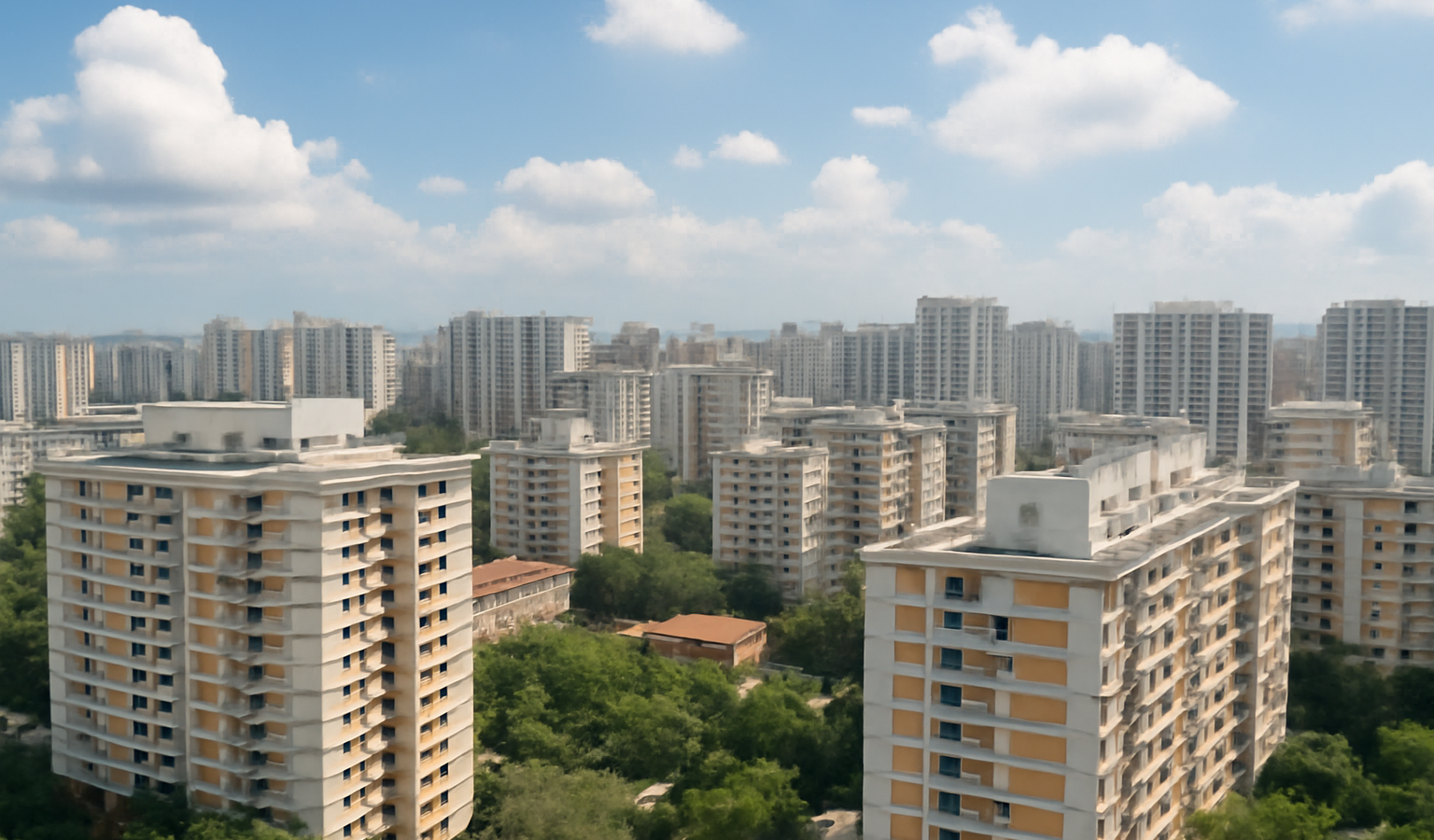
Choosing where to buy or rent an HDB flat in Singapore often comes down to a single tension: do you pay more to live closer to the action, or trade a longer commute for more space and a lower price further out? The country is compact, so no estate is truly remote, but the differences between a central, mature town and a newer fringe one are real and shape daily life. This guide walks through the trade-offs so you can match an estate to your budget, your commute and your stage of life.
Mature vs non-mature estates: what the labels mean
HDB has long grouped towns into mature and non-mature estates, a rough measure of how established a town is. Mature estates are the older, fully built-up towns closer to or ringing the city, with decades of amenities layered in. Non-mature estates are newer towns, often further from the centre, still filling in their shops, parks and transport over time.
The classification is being phased into a newer Standard, Plus and Prime framework for new flats, but the underlying idea still holds day to day: some towns are dense, central and pricey, while others are newer, roomier and cheaper. Understanding where a flat sits on that spectrum tells you a lot about what you are paying for. If you are new to how flats themselves differ, our overview of HDB flat types explained pairs well with this estate-level view.
Price: what your budget really buys
The clearest trade-off is money. As a general rule, flats in central and mature estates command higher prices than comparable units in non-mature or fringe towns. You are paying for location, established amenities and transport access that took years to build up. The same budget therefore stretches further the further out you look.
That does not mean central always costs more for everyone. A high-floor, well-renovated flat in a popular non-mature town can rival prices in a tired block in a mature one. Rather than fixing on a town’s reputation, check recent transacted prices for the specific flat type, floor and block you are eyeing. Prices move, and lease age matters as much as location. Treat any figure you see online as a starting point to verify, not a fixed rate.
Space for your money
Because prices are lower further out, your budget usually converts into more space in a suburban or non-mature estate. A couple who can only stretch to a smaller flat in a central town might comfortably afford a larger layout in a newer one, or a similar-sized flat with money left over for renovation and furnishing.
Newer towns also tend to have newer flats with longer remaining leases, which matters for both financing and long-term value. If maximising living space and lease is your priority, the fringe almost always wins. If being in the thick of an established neighbourhood matters more, you accept a smaller footprint for it. Deciding between a brand-new and an older flat is its own question, which we cover in BTO vs resale: which to buy.
Commute and MRT access
Commute is where central living earns its premium. Living in or near the city can mean a short trip to the CBD, while a fringe estate might add meaningful time each way. Over a working week that adds up, and it is worth being honest about how much daily travel you will tolerate.
The nuance is that distance to town matters less than MRT access. A non-mature estate sitting on a direct MRT line can feel far more connected than a geographically closer flat that needs a bus and a transfer. Before committing, map the actual door-to-door journey to the places you go most: work, family, your usual haunts. A newer town with a station a short walk away can neutralise much of the commute disadvantage.
Amenities, schools and community
Mature estates shine on amenities. Decades of development mean dense hawker centres, wet markets, malls, clinics, parks and a wider spread of established schools, often within walking distance. For families weighing primary school proximity, or anyone who values having everything nearby, that maturity is a genuine draw.
Non-mature estates start thinner but catch up over time, and many newer towns are planned with modern facilities, cycling paths and integrated community hubs from the outset. Community feel differs too: older estates carry a settled, multi-generational character, while newer ones grow their community as more families move in. Neither is better in the abstract; it depends on whether you want an established neighbourhood or the chance to grow into a developing one. If schooling is a factor, the balance often tips toward the town with the schools you want, wherever it sits.
BTO supply, waiting time and resale demand
New flat supply differs by estate type. Build-To-Order launches appear in both mature and non-mature towns, but central and mature launches tend to draw heavier demand and can be harder to secure in a ballot, while newer towns often offer more units. Waiting several years for a BTO to be built is the trade-off for a new flat at a subsidised price, wherever it is. Buyers who cannot wait, or who want a specific established location, often turn to the resale market instead.
On resale demand, central and well-connected flats generally hold steady interest thanks to location and amenities. But strong demand also exists in popular non-mature towns with good MRT links and newer flats, so the mature label alone does not decide value. Remaining lease, transport and the specific block matter more. First-time buyers weighing all of this will find our first-time HDB buyer guide a useful companion, and renters comparing areas can start with our guide to the best areas to rent on a budget near the MRT.
Matching the estate to your life stage
The right answer shifts with your life. A busy working couple with long hours and a social life anchored in town may value a central, mature flat despite the price and smaller size, because time saved on commuting is worth more to them than square footage. A growing family may prefer a larger, newer flat in a non-mature estate, trading a longer commute for space, newer facilities and room to grow.
Downsizers and retirees might prioritise a mature estate with amenities and healthcare within easy reach, while first-time buyers on a tighter budget often start further out to get more flat for their money. There is no universally correct choice, only the one that fits your budget, your daily journeys and where you are in life right now.
The bottom line
Suburban versus city HDB living is a trade between proximity and space. Central and mature estates cost more and give you less room, but reward you with short commutes and dense, established amenities. Non-mature and fringe estates stretch your budget into a bigger, newer flat, at the cost of more travel, softened greatly if the town has good MRT access. Weigh price, space, commute, transport, amenities and BTO or resale supply against your life stage, and let your actual daily routine, not a town’s reputation, guide the decision. If you would like tailored help comparing estates and flats, get matched with a licensed property agent below.
Frequently asked questions
What is the difference between a mature and non-mature HDB estate?
HDB broadly classifies estates as mature or non-mature based on how established they are. Mature estates are older, more built-up towns with denser amenities and transport, while non-mature estates are newer and still developing, which usually makes their flats more affordable.
Is it cheaper to live in a suburban HDB estate?
Generally yes. Flats in non-mature or fringe estates tend to cost less than comparable units in central, mature towns, so the same budget usually buys more space further out. Prices vary by block, floor and MRT proximity, so always check recent transactions.
Do city-fringe HDB flats have better resale demand?
Central and well-connected flats often see steady resale demand thanks to their location and amenities, but strong demand also exists in popular non-mature towns with good MRT links. Location, transport and remaining lease all matter more than the mature label alone.
Which is better for families, city or suburban HDB living?
Many families favour non-mature or suburban estates for larger flats, newer facilities and space to grow, while others prioritise established towns for their schools and shorter commutes. The right choice depends on your budget, commute and school preferences.
Speak to a property agent
Looking to rent or buy? We’ll connect you with a licensed agent for your area and budget.
More in Property & Rentals
See all
HDB Buying Jargon: A Glossary for First-Timers (2026)
Confused by HDB jargon? This plain-English glossary explains BTO, MOP, OTP, HFE, COV, EIP, CPF grants and more so first-time flat buyers…
HDB Eligibility Schemes and the Family Nucleus (2026)
Understand HDB eligibility schemes and the family nucleus rule: the Public, Fiance/Fiancee, Single and Joint Singles routes to buying an HDB flat.

Can Foreigners Buy Property in Singapore? (2026)
Can foreigners buy property in Singapore? Learn what non-residents can and cannot purchase, the approval rules for landed homes, and how ABSD…