
Flooring Options Compared: Vinyl vs Tile vs Laminate
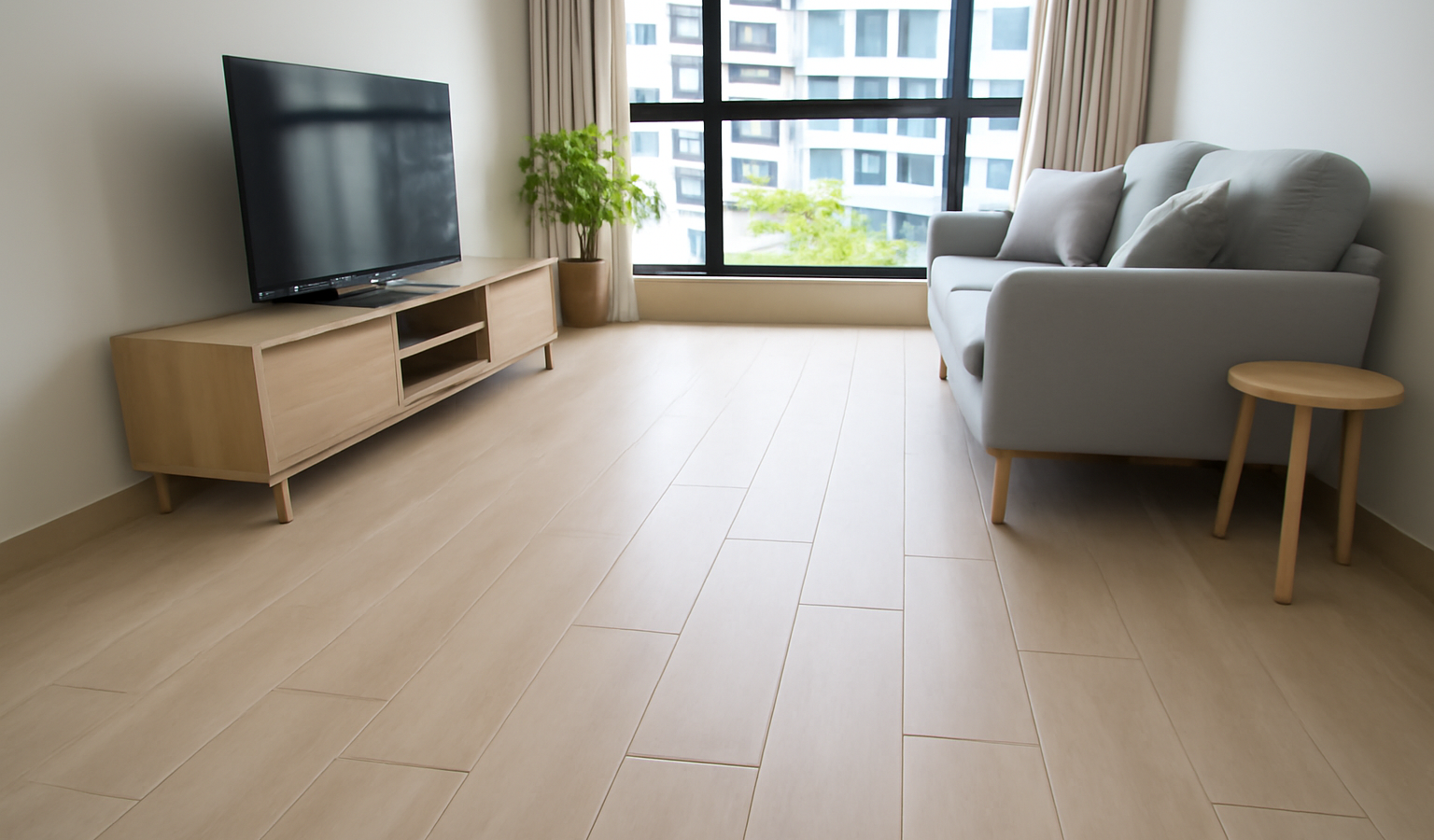
Standing in a showroom staring at a wall of samples, it is easy to pick by looks alone and regret it a year later when the seams lift or the grout stains. The floor is the one surface you touch every single day, and in Singapore’s heat and humidity the wrong choice ages fast. Here is how the three most common contenders actually behave once they are living in your home.
The three main contenders
Almost every renovation quote you receive will land on one of three materials, sometimes a mix across rooms.
- Vinyl — usually SPC (stone plastic composite, rigid click-lock planks) or LVT (luxury vinyl tile, a thinner glue-down or click format). Both mimic wood or stone with a printed top layer.
- Tile — ceramic or the denser, harder porcelain. Laid on a cement screed with adhesive and grouted joints. The traditional Singapore default.
- Laminate — a high-density fibreboard core with a photographic decor layer and a wear coat on top. It looks like wood and clicks together as floating planks.
None is objectively best. They trade off cost, comfort, water tolerance and lifespan differently, and the right answer changes room by room.
Water and humidity resistance
This matters more here than almost anywhere, because our ambient humidity is high year-round and spills, mopping and the occasional leak are facts of life.
Tile is the clear winner. Porcelain in particular absorbs almost no water, which is why it belongs in bathrooms, kitchens and yards paired with proper floor gradients and a waterproofing membrane underneath. Vinyl is water-resistant on its surface and shrugs off spills, though water seeping through plank joints and sitting on the subfloor over time can still cause problems, so it is not a true wet-area material. Laminate is the weak link: its fibreboard core swells and delaminates if water sits in the seams, and sustained humidity can make edges curl. Keep laminate to dry rooms only.
Durability and daily wear
Think about scratches, dents, fading and how the surface copes with kids, pets and dragged furniture.
Porcelain tile is the toughest of the group and can last decades without visibly wearing, though a dropped pot can chip it and grout lines discolour over time. SPC vinyl is impressively resilient for its price, resisting dents and scratches better than laminate thanks to its rigid mineral core, and quality laminates hold up well to foot traffic but are more prone to chipping at the edges and cannot be sanded or refinished. When any of them is damaged, tile and glue-down vinyl can be patched plank by plank or tile by tile, while a large tiled area sometimes cannot be matched years later.
Cost per square foot, supplied and installed
Prices move with material grade, brand and the state of your subfloor. As a rough 2026 guide only, verify current quotes before budgeting:
| Material | Rough installed cost (per sqft) | Notes |
|---|---|---|
| Laminate | $3 – $6 | Cheapest to buy and lay; dry areas only |
| Vinyl (LVT/SPC) | $4 – $9 | Mid-range; overlay-friendly |
| Ceramic tile | $6 – $12 | Includes screed and grouting |
| Porcelain / large-format tile | $8 – $18+ | Higher for big slabs and detailed laying |
Remember installation labour, skirting, trims and any hacking or levelling are separate lines. For how flooring fits your overall budget, see our guide to renovation cost by flat type in Singapore.
Overlay versus hacking existing tiles
If your flat already has flooring, you have two paths. Overlaying lays new vinyl or laminate directly on top of sound existing tiles. It is faster, cheaper, quieter and creates no debris, which is why it is so popular for resale flats. The trade-offs are a slightly raised floor level and the fact that any hollow or cracked tiles beneath can telegraph through.
Hacking removes the old finish down to the screed. It gives you a fresh, level base, is unavoidable if you are switching to new tile, and lets you fix an uneven subfloor, but it adds hacking labour, debris disposal and noise. Hacking generates the kind of noisy work that falls under restricted hours, and removing floor finishes can require an HDB permit, so factor time and approvals in. Read more in our HDB renovation permit guide.
Comfort, feel and maintenance
Underfoot, tile is hard and cool, which many people love in our climate but which can feel unforgiving for long standing or a toddler’s tumble. Vinyl and laminate are warmer and softer, with vinyl giving a bit of quiet cushioning that tile never will.
For upkeep, vinyl and laminate are simple sweep-and-mop surfaces with no grout to scrub. Tile is easy to wipe but grout lines attract grime and may need periodic sealing or regrouting. Avoid soaking laminate when you clean; a damp mop is plenty.
Which flooring suits which room
- Living and dining — vinyl for value and warmth, or large-format tile for a premium, seamless look.
- Bedrooms — laminate or vinyl for comfort and cost; standing water is rarely an issue here.
- Kitchen — tile is the safe long-term choice near water and heat, though quality vinyl is a common budget alternative.
- Bathrooms and yards — porcelain or ceramic tile only, with proper waterproofing.
Mixing materials is normal and often smart: tile the wet zones, vinyl or laminate the dry ones. While you plan, our furniture ideas can help you match tones and finishes across rooms.
Installation and subfloor prep
The finish gets the attention, but the subfloor decides how good it looks and how long it lasts. Vinyl and laminate are floating floors that demand a flat, dry, clean base, and any bumps or debris beneath them will telegraph through as clicks, gaps or visible high spots within months. A quality underlay smooths minor imperfections and adds a little sound damping, which is worth having in an upstairs flat.
Tile is more forgiving of a slightly uneven base because the adhesive bed absorbs variation, but it demands skill in setting consistent grout lines and matching levels across a large area. Ask your contractor how they will prepare the subfloor, whether an underlay is included, and how they handle transitions at doorways between different materials. Rushed prep is the most common reason a floor that looked perfect on handover starts failing a year later.
Resale is the last piece to weigh. Buyers form an impression in seconds, and flooring sets the tone of a whole room. Neutral, cleanly installed tile or quality vinyl signals a move-in-ready home, while scuffed laminate, curling edges or dated patterned tiles quietly knock down perceived value. You do not need the most expensive option; you need one that still looks intact and current when you eventually sell. Consistent flooring flowing between rooms also makes a small flat feel larger, which never hurts at a viewing.
The bottom line
Choose by room, not by showroom romance. Tile where water and wear are relentless, vinyl for a warm, water-resistant all-rounder that overlays cleanly, and laminate only in dry rooms where budget matters most. Weigh overlay against hacking early, since it shapes both cost and timeline. When you are ready to price it properly for your flat, get matched with vetted renovation contractors below.
Frequently asked questions
Is vinyl flooring allowed in HDB flats?
Yes. Vinyl is widely used in HDB homes and can usually be overlaid on existing flooring without hacking. You still need an HDB-registered contractor, and hacking existing tiles may need a permit, so confirm the scope before you start.
Which flooring is best for wet areas like bathrooms?
Porcelain or ceramic tile. They are genuinely waterproof and pair with proper floor-trap gradients and waterproofing membranes. Vinyl and laminate are better kept to dry living areas and bedrooms.
Does flooring choice affect resale value?
It can. Neutral, well-installed tile or quality vinyl reads as move-in ready to buyers. Worn or water-damaged laminate and dated tile patterns can drag down first impressions during viewings.
Get renovation quotes
Share your renovation plans and we’ll help you get quotes from interior-design firms. Free, no obligation.
More in Renovation & Services
See all
Budget Interior Design Tips for Your Home (2026)
Budget interior design tips for Singapore homes: where to save or splurge, loose furniture vs carpentry, paint and lighting wins, and phasing…

Home Office Renovation Ideas & Setup (2026)
Home office renovation ideas for Singapore flats: dedicated room or nook, ergonomics, lighting, power and data points, acoustics and smart storage for…

Resale Flat Interior Design Ideas (2026)
Practical resale flat interior design ideas for older HDB homes: when to refresh or hack, handle dated tiles, keep charm and choose…