
Budget Interior Design Tips for Your Home (2026)
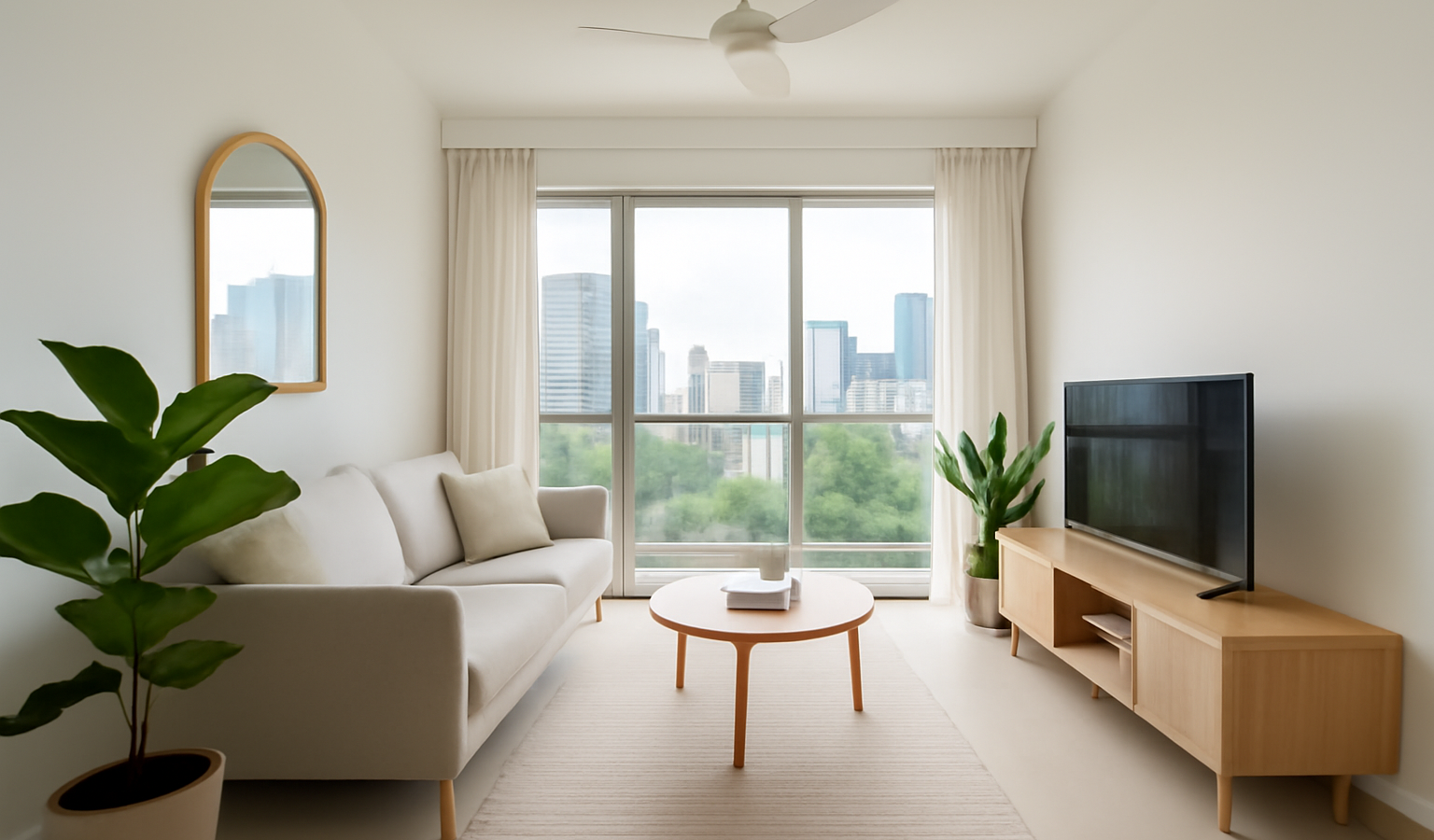
A beautiful home does not have to mean an eye-watering bill. Most of what makes an interior feel expensive comes down to good decisions rather than big spending: knowing where a dollar shows and where it disappears, choosing flexible pieces over fixed ones, and resisting the changes that cost far more than they return. These budget interior design tips are about getting a home that looks and lives well in Singapore without the renovation running away from you.
Decide your priorities before you spend
The most common budget mistake is spreading money thinly across everything, which leaves a whole home feeling half-finished. Instead, decide what matters most to you, the living room where you host, the bedroom you rest in, or the kitchen you cook in daily, and let that room take the larger share. A home with one or two spaces done properly and the rest kept simple reads as considered; a home where everything is slightly compromised does not.
Related: proven home organisation methods
Set a realistic total first. Our guide to renovation cost by flat type in Singapore gives rough ranges to anchor your budget, and our wider renovation guides help you divide it deliberately rather than discovering halfway through that the money has gone.
Loose furniture versus built-in carpentry
Carpentry is one of the biggest line items in any renovation, and it is where budgets quietly balloon. Built-in carpentry has real strengths: it maximises awkward corners, delivers a seamless look and uses tight spaces efficiently. But it is expensive per metre, fixed in place and hard to change.
- Use carpentry for — awkward alcoves, floor-to-ceiling storage, the kitchen, and spots where a standard piece simply will not fit.
- Use loose furniture for — wardrobes, shelving, sideboards and anything that could be a well-chosen off-the-shelf piece instead.
Loose furniture is generally cheaper, can be bought in stages, moves house with you and is easy to replace when tastes change. Reserving custom work for where it genuinely earns its cost is one of the single biggest savings available to you.
Paint and lighting: the cheapest big wins
If you do only two things on a tight budget, paint and light the space well. A fresh coat of paint is the highest-impact, lowest-cost change in interior design, resetting a tired room for the price of materials and a weekend, or a modest painter’s fee. Light, cohesive wall colours also make small flats feel larger and brighter.
Lighting is the other quiet transformer. Swapping a single harsh ceiling light for layered lighting, a warm ambient glow, a task light where you need it, and an accent or two, changes a room’s whole mood for far less than new flooring or carpentry. Layering light room by room, rather than over-buying expensive fittings, is where the value lies.
Where to save and where to splurge
Smart budgeting is not about spending as little as possible everywhere; it is about spending well in the right places. A simple rule helps: splurge on what is costly to change later or what you use every day, and save on what is easy to swap.
| Worth splurging on | Safe to save on |
|---|---|
| Wet-area waterproofing and tiling | Trend-led decor and accessories |
| A supportive sofa and mattress | Accent chairs and side tables |
| Kitchen worktops and hardware | Open shelving and display pieces |
| Anything hidden in walls (wiring, plumbing) | Curtains, rugs and soft furnishings |
Getting the splurge list right protects you from the costliest kind of saving, the one that has to be torn out and redone. Mixing a few higher-quality anchor pieces with affordable everyday items, the high-low approach, gives a room polish without a designer bill.
Phase the renovation to spread cost
You do not have to do everything at once. Phasing lets you live within cashflow and spread payments over time, provided you sequence it correctly. Do the disruptive, hard-to-redo work first, wet areas, any wiring, flooring, and essential built-ins, because retrofitting these later means tearing up finished rooms. Then add furniture, soft furnishings and decorative touches as budget allows.
This order matters. Painting before rewiring, or buying rugs before laying floors, wastes money. Getting the sequence right is closely tied to avoiding rework, which our guide to common renovation mistakes to avoid covers in detail.
Avoid the mistakes that cost real money
Budget interiors are undone more often by avoidable errors than by any single big purchase. A few worth guarding against:
- Over-customising — heavy carpentry and very specific fit-outs are expensive and hard to change when your needs shift.
- Chasing trends into permanent finishes — a bold tile or dated colour baked into the flat is costly to undo; keep trends to easily swapped decor.
- Skipping the boring essentials — cutting corners on waterproofing, wiring or ventilation to fund visible finishes almost always backfires.
- Not getting clear, comparable quotes — vague scopes lead to variation orders that inflate the final bill.
Choosing the right person to work with also protects your money. If you are deciding how to engage help, our comparison of an interior designer versus a contractor explains the cost and service trade-offs.
Small changes with outsized impact
Some of the cheapest interventions make a home feel markedly more finished. Decluttering and good storage instantly make a space look more expensive. Cohesive colours across a room create calm. New handles on old cabinets, a single large mirror to bounce light, and a couple of plants add life for very little. Consistency, sticking to a limited palette and a couple of materials, does more for a polished look than buying more things.
None of these require a contractor, and together they close the gap between a room that looks budget and one that simply looks well done.
Second-hand, DIY and mixing high with low
Some of the best value on a tight budget comes from not buying everything new. Quality used furniture, especially solid-timber pieces, sofas and dining sets, often sells for a fraction of retail and can look far better than cheap new alternatives. A little patience on second-hand marketplaces can furnish a room for what a single new piece would cost.
DIY has its place too, but pick your jobs carefully. Painting, assembling flat-pack furniture, hanging shelves and styling are genuinely doable and save labour costs. Anything involving electrical work, plumbing, gas or waterproofing should go to a licensed professional, because a cheap DIY error in those areas is exactly the kind of false economy that ends up costing more. The winning formula is to mix a few higher-quality anchor pieces with affordable, hard-working basics, so the eye lands on the good things and the rest simply does its job quietly.
The bottom line
Budget interior design is a series of good calls rather than an exercise in buying the cheapest of everything. Decide your priorities and fund them properly, favour flexible loose furniture over fixed carpentry, and lean on paint and lighting for the biggest visible change per dollar. Splurge where it is hidden or daily, save where it is easy to swap, phase the work in the right order, and steer clear of the customisations and shortcuts that cost more later. Do that and a modest budget stretches into a home that feels anything but. When you are ready to price and plan the work, get matched with renovation professionals below.
Frequently asked questions
Where should I spend and where should I save on a home renovation?
Splurge on things that are costly to change later or that you touch daily, such as wet-area waterproofing, a good mattress and a supportive sofa. Save on trend-led decor, accent furniture and anything you can upgrade cheaply later.
Is loose furniture cheaper than built-in carpentry?
Usually yes. Loose furniture costs less, can be bought in stages, moves with you and is easy to replace. Built-in carpentry suits awkward corners and maximises tight spaces, but it is expensive per metre, so use it selectively.
What gives the biggest visual change on a small budget?
Paint and lighting. A fresh coat of paint transforms a room for relatively little, and layered lighting changes the whole mood far more cheaply than new flooring or carpentry.
Can I renovate in phases to spread the cost?
Yes, and it is a sensible strategy. Do the disruptive, hard-to-redo work first, such as wet areas, wiring and flooring, then add carpentry, furniture and decor over time as budget allows.
Get renovation quotes
Share your renovation plans and we’ll help you get quotes from interior-design firms. Free, no obligation.
More in Renovation & Services
See all
Home Office Renovation Ideas & Setup (2026)
Home office renovation ideas for Singapore flats: dedicated room or nook, ergonomics, lighting, power and data points, acoustics and smart storage for…

Resale Flat Interior Design Ideas (2026)
Practical resale flat interior design ideas for older HDB homes: when to refresh or hack, handle dated tiles, keep charm and choose…

Condo Interior Design Ideas in Singapore (2026)
Condo interior design ideas for Singapore: open-plan living, balcony styling, feature lighting, premium finishes and working within MCST renovation rules.