
A Home Maintenance Schedule for Singapore (2026)
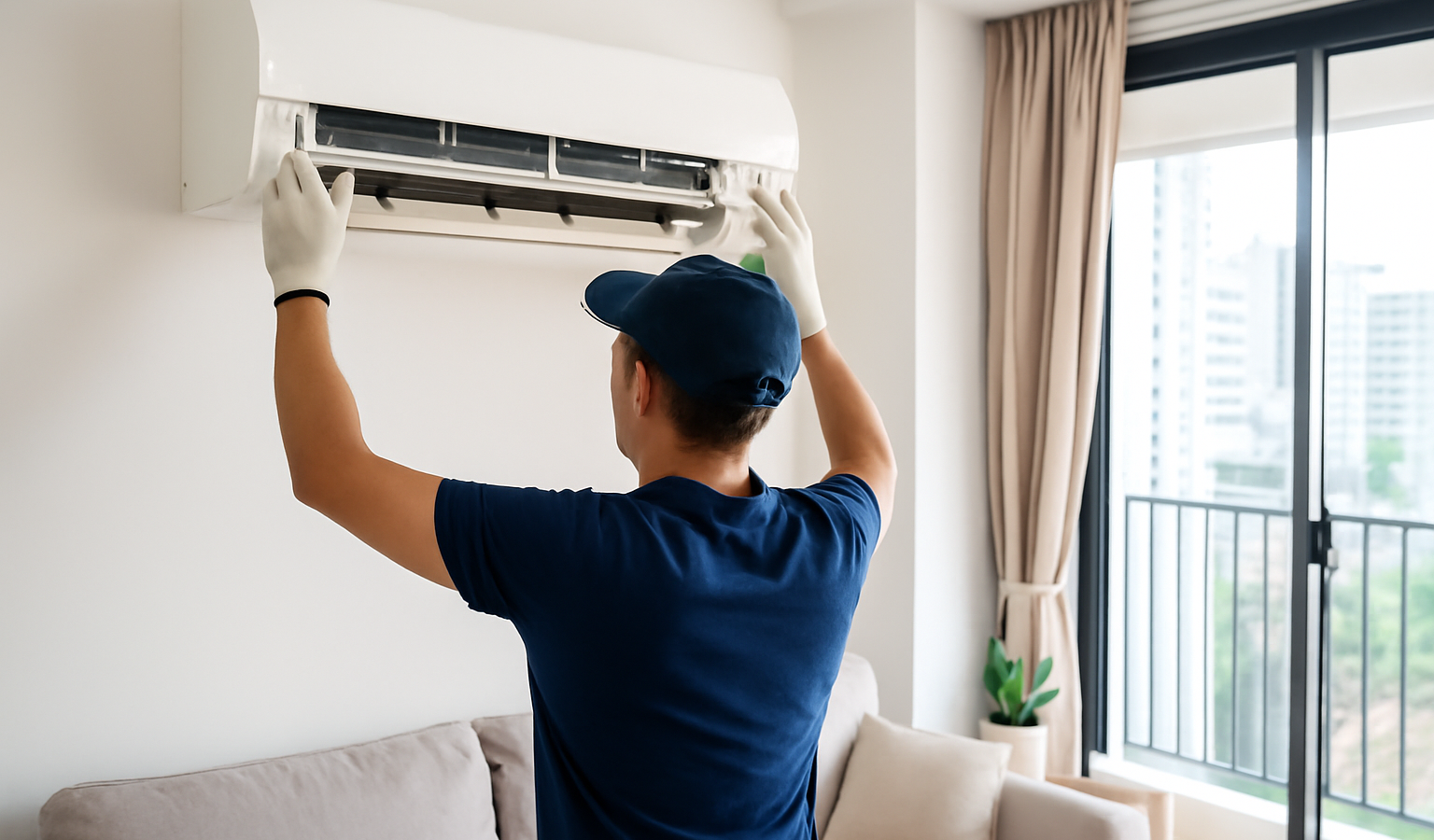
Singapore’s climate is brutal on homes in a quiet, cumulative way. Year-round humidity feeds mould, aircon units run near-daily, and the monsoon months can turn a neglected wardrobe fuzzy in weeks. The fix isn’t heroic effort — it’s a light, repeatable schedule. Here’s a realistic maintenance calendar tuned to local conditions, split into monthly, quarterly, half-yearly and annual tasks, with a rough sense of what the recurring servicing costs.
Monthly: the fifteen-minute habits
Monthly tasks are small, but they’re the ones that stop expensive problems from starting. Put them on the same weekend each month:
- Wash aircon dust filters. Pop them out, rinse, air-dry, refit. Clogged filters make units work harder, cool worse and drip more.
- Run a washing machine maintenance wash. An empty hot cycle, plus a wipe of the door seal and detergent drawer, keeps mould and smells out. Front-loader doors should be left ajar between washes.
- Degrease kitchen hood filters if you cook regularly. Soak mesh filters in hot water with degreaser; swap charcoal filters per the manual. Grease-laden filters are a fire risk and stop the hood actually extracting.
- Pour water into rarely used floor traps (guest bathroom, service yard) to keep the water seal intact and smells and insects out.
- Scan bathroom sealant and grout while you clean — early black spotting is easy to kill with a mould spray; established mould under silicone is not.
Quarterly: servicing and deeper cleans
Every three to four months, step it up a level. The big one is aircon servicing: for units used daily, a general service every quarter keeps coils, blowers and drainage clear. As a rough guide, general servicing runs somewhere around $15 to $30 per fan coil unit per visit on a contract, with deeper chemical work costing more — our breakdown of aircon servicing costs in Singapore covers what each service tier should include and current going rates.
In the same weekend, handle the quarterly cluster:
- Clean refrigerator coils and door gaskets, and check the drain hole isn’t blocked.
- Clear the washing machine lint or drain pump filter and check inlet hoses for bulges.
- Wipe down window tracks and weep holes so monsoon rain drains out instead of pooling.
- Do a pest sweep: check under sinks and behind appliances for droppings, seal gaps around pipes, and keep dry food in containers. Prevention is much cheaper than treatment — see our guide to pest control costs in Singapore if something has already moved in.
Every six months: water, seals and safety
Twice a year, look at the systems you normally ignore:
- Water heater check. For storage heaters, listen for rumbling (sediment), look for corrosion or weeping at connections, and confirm the pressure relief valve isn’t leaking. Instant heaters need less attention, but check for drips and discoloured casing.
- Regrout and reseal inspection. Press along bathroom and kitchen silicone lines. Anything peeling, gapping or permanently blackened is due for replacement — failed sealant is how water starts creeping into walls and, in flats, toward your neighbour’s ceiling.
- Window safety check. Test that casement windows don’t sag and sliding panels sit properly in their tracks. If you have older aluminium casement windows with rivets, check the fasteners — window maintenance is the homeowner’s responsibility, and loose windows are a serious safety issue in high-rise living.
- Showerheads and tap aerators. Soak in descaler to clear mineral build-up and restore flow.
Annually: the once-a-year audit
Once a year — many people tie it to the new year or their move-in anniversary — do a slower walkthrough:
- Gas hose and connection check. Inspect the flexible hose for cracks, stiffness or kinks, confirm it hasn’t passed the expiry date printed on it, and check the cylinder or supply valve area is unobstructed. Replace ageing hoses rather than waiting.
- Electrical once-over. Press the test button on your residual current device at the distribution board, and look for scorched sockets, warm plugs or flickering that suggests loose connections. Anything suspicious goes to a licensed electrician; older flats may eventually need more than spot fixes, as our guide to rewiring an older flat explains.
- WiFi and network tidy-up. Restart and update router firmware, and reassess dead zones — mesh systems and cabling degrade in usefulness as your layout and devices change.
- Ceiling and wall scan for new stains, hairline cracks or bubbling paint, especially below bathrooms. Catching a slow leak early is the difference between resealing a joint and hacking open a wall.
- Aircon chemical service if cooling has weakened or units smell musty despite regular general servicing.
Monsoon mode: humidity and mould control
From roughly November to January, the northeast monsoon keeps everything damp, and mould moves fast on leather, wood, fabric and paint. During these months, shift into a higher gear: ventilate every room daily even when it rains, run a dehumidifier or the aircon’s dry mode in rooms that stay closed, and leave wardrobe doors slightly open with moisture absorbers inside. Wipe leather goods and wooden furniture with a dry cloth weekly, and don’t let laundry dry slowly indoors in still air.
Watch the usual first victims — wardrobe backs against external walls, shoes in closed cabinets, the underside of mattresses — and treat any spotting immediately with a mould cleaner. If mould keeps returning to the same wall regardless of cleaning, suspect water ingress rather than humidity and investigate the other side of that wall.
What routine maintenance costs
Most of this schedule costs nothing but time. The paid items, as a rough annual guide for a typical flat — verify current rates: quarterly aircon servicing on a contract often lands in the low hundreds per year for a multi-unit home, an annual chemical clean adds more per unit, occasional handyman work like resealing a bathroom or replacing a gas hose is usually a modest one-off, and a plumber or electrician call-out for small jobs typically starts from around $60 to $150 before parts. Set aside a few hundred dollars a year and you’re covered for the routine layer; it’s dramatically cheaper than early replacement of a compressor, heater or machine that died from neglect.
Start the schedule from day one
The best time to begin is when the home is new to you, because you have a clean baseline. If you’ve just collected keys, do a proper defects check of your new BTO or condo first — anything the builder must fix shouldn’t become your maintenance burden. Then load the monthly, quarterly and annual tasks into your phone calendar as recurring reminders. A schedule that lives in your head lasts about six weeks; one that pings you lasts for the life of the flat.
If you’re inheriting an older resale unit instead, run the annual audit immediately rather than waiting — it tells you which items are maintenance and which are overdue upgrades.
The bottom line
Home maintenance in Singapore is less about effort than rhythm: quick monthly habits for filters, traps and seals; quarterly servicing for the aircon and appliances; half-yearly checks on water, windows and sealant; and one honest annual audit of gas, electrics and walls — with extra vigilance against mould when the monsoon arrives. Budget a modest yearly sum for servicing, act on small warning signs early, and most big repair bills simply never happen. When a maintenance item does grow into a bigger job, our renovation and home services guides will help you scope and price it properly.
Found something on your checklist that needs more than a handyman? Describe the job and we’ll connect you with vetted renovation professionals below.
Frequently asked questions
How often should I service my aircon in Singapore?
Every three to four months for units in daily use is the common recommendation, with a general chemical or deeper clean roughly once a year if cooling drops or smells develop. Wash the dust filters yourself monthly in between visits.
How do I prevent mould during the monsoon season?
Keep air moving and humidity down: ventilate daily, run a dehumidifier or aircon dry mode in closed rooms, leave wardrobe doors ajar with moisture absorbers inside, and wipe down leather and wooden surfaces regularly during the wettest months.
How often should washing machines and kitchen hoods be cleaned?
Run a hot maintenance wash and clean the washing machine door seal and detergent drawer monthly, and clear the lint or drain filter regularly. Degrease kitchen hood filters monthly if you cook often, or quarterly for light use.
When should flexible gas hoses be replaced?
Check hoses for cracks, stiffness or kinks at least once a year and replace by the expiry date printed on the hose. If you ever smell gas, turn off the supply valve, ventilate, and get it checked before using the hob again.
Get renovation quotes
Share your renovation plans and we’ll help you get quotes from interior-design firms. Free, no obligation.
More in Renovation & Services
See all
Budget Interior Design Tips for Your Home (2026)
Budget interior design tips for Singapore homes: where to save or splurge, loose furniture vs carpentry, paint and lighting wins, and phasing…

Home Office Renovation Ideas & Setup (2026)
Home office renovation ideas for Singapore flats: dedicated room or nook, ergonomics, lighting, power and data points, acoustics and smart storage for…

Resale Flat Interior Design Ideas (2026)
Practical resale flat interior design ideas for older HDB homes: when to refresh or hack, handle dated tiles, keep charm and choose…