
Is a Home Printer Still Worth It? (2026)
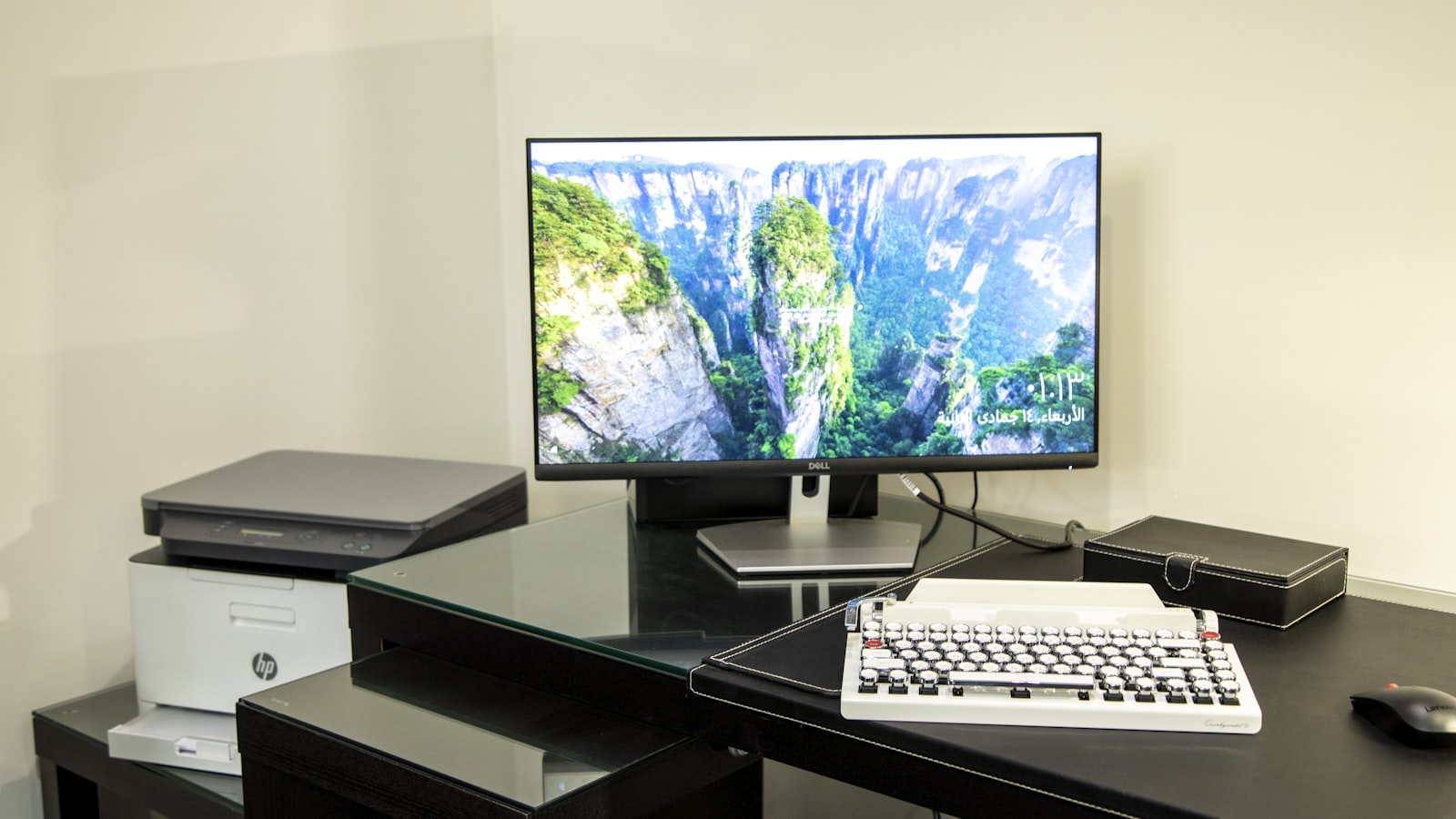
There was a time when a printer sat beside every home computer as standard equipment. Then boarding passes moved to phones, forms went online, contracts got e-signed — and the family printer became the dustiest object in the flat, summoned twice a year and usually refusing to cooperate when it mattered. So before you replace that blinking, clogged machine, it’s fair to ask whether you should own one at all.
The answer isn’t a universal yes or no. It hinges on how often you actually print, what you print, and whether you pick the right type of machine — because the wrong printer is worse than no printer.
Start with an honest audit of what you print
For one month, note every time you genuinely need a physical page. Most households discover the list is short: the occasional form that demands a wet signature, a document for an embassy or clinic, school notices. Government services in Singapore have moved overwhelmingly online, and even where paperwork survives, PDFs and digital signatures cover most of it.
But some households land on the opposite end. Families with school-age children print constantly — worksheets, assessment papers, art projects. Home-based businesses print invoices, labels and packing slips. Some people study or edit better on paper. If your month’s audit shows printing weekly or more, ownership starts making sense. A handful of pages a month? The maths will rarely work in your favour.
The real cost is ink, not the printer
Printer economics are famously upside down: the hardware is sold cheap and the consumables are where the money goes. A budget inkjet can cost less than its own replacement cartridge set. As a rough guide, basic inkjets in Singapore start under S$100, ink tank models sit around S$200–400, and home laser printers range from roughly S$150 for mono to several hundred for colour — treat these as ballpark figures and check current prices.
What matters more is cost per page. Cartridge inkjets are the expensive way to print; ink tank printers with refillable reservoirs bring colour printing down to cents per page; mono laser toner is similarly economical and lasts for thousands of pages. If you’re weighing what a device really costs across its life, the same logic applies here as in this guide to appliance running costs in Singapore — purchase price is only the opening bid.
The occasional-user trap: why cheap inkjets fail here
Here’s the cruel irony: the people who print least often are the ones who buy the cheapest inkjets, and cheap inkjets are the worst possible choice for infrequent use. Ink dries in the print head between sessions. The printer responds with ink-hungry cleaning cycles, streaky output, or a fully clogged head — which on a budget machine often costs more to fix than replacing the printer.
Singapore’s climate doesn’t cause the clogging (drying ink does), but our humidity adds its own problem: paper left in the tray absorbs moisture, leading to jams, curled pages and fuzzy print. Store paper sealed and load it as needed.
If you print rarely but insist on owning, a mono laser printer is the right tool. Toner is powder — it cannot dry out — so a laser printer that sits idle for three months prints perfectly on the first try. That single fact settles the choice for most occasional users.
Match the printer type to your household
- Mono laser: best for occasional or documents-only printing. Cheap per page, zero clogging, fast. No colour, no photos.
- Ink tank inkjet: best for families printing regularly in colour. Higher upfront cost, very low running cost, and regular use keeps heads healthy.
- Cartridge inkjet: cheap to buy, expensive and fragile to own. Only sensible if budget is the sole constraint and you’ll print often.
- Multifunction (print/scan/copy): worth it if you scan documents regularly — though phone scanning apps have quietly replaced the flatbed scanner for most people.
Whatever the type, get Wi-Fi connectivity. Printing from phones and laptops without cables is the difference between a printer that gets used and one that gets resented.
The alternatives: often better than owning
Singapore makes not owning a printer unusually easy. Neighbourhood print and photocopy shops in HDB town centres and malls handle everything from single pages to bound reports for small per-page fees. Self-service printing kiosks in convenience stores let you print from a USB drive or upload from your phone. For bulk jobs — a thesis, wedding programmes, marketing flyers — commercial print shops beat home printing on both quality and cost, every time.
The trade-off is convenience: shops keep opening hours, and there’s a special frustration to needing one printed page at 11pm before a morning appointment. How much that scenario actually happens in your life is worth weighing honestly. For many people the realistic answer is once or twice a year — an inconvenience, not a justification for a machine that depreciates in the corner.
There’s also the informal network: a neighbour, a family member with a home office, or your own workplace (with permission) can cover the rare genuine emergency. Between shops, kiosks and favours, going printer-free in Singapore is far less painful than it sounds — many households do it for years without ever missing the machine.
If you do buy: placement and upkeep
Give the printer a spot with airflow, away from bathroom humidity and direct afternoon sun — a shelf in the study area rather than a damp corner. If you’re setting up a workspace, this guide to a work-from-home desk setup in a small flat covers where equipment like this fits without eating your living space.
Two habits extend a printer’s life meaningfully. First, print something — even one colour test page — every couple of weeks if you own an inkjet, to keep ink moving through the heads. Second, power it down with its own button rather than a wall switch, so the heads park properly. And when a printer does reach end of life, dispose of it responsibly through an e-waste bin rather than the rubbish chute; if it still works, you can pass it on via the routes in this guide to selling used electronics in Singapore.
The bottom line
A home printer is worth it in 2026 for a specific, identifiable group: households that print regularly — school kids, home businesses, paper-preferring workers — who should buy an ink tank or laser machine and enjoy genuinely cheap pages. For everyone else, the honest answer is no: occasional printing is served better and cheaper by print shops and kiosks, and the classic budget inkjet bought “just in case” will spend its life clogged and blinking. Audit a month of real printing before you decide, and if you do buy, spend a little more on the right type — it’s the difference between a tool and a doorstop. More buying guides are in the appliances and electronics hub.
Frequently asked questions
Is it cheaper to print at home or at a shop in Singapore?
For occasional black-and-white pages, shops and kiosks win easily once you factor in ink wastage and printer depreciation. Home printing starts winning when you print regularly — think weekly school worksheets or frequent documents.
Why does my inkjet printer stop working when I rarely use it?
Ink dries in the print head between uses, clogging the nozzles. The printer then burns ink on cleaning cycles or fails entirely. Infrequent printers are better served by a laser printer, which uses dry toner and cannot clog.
What type of printer is best for a family with school kids?
An ink tank printer is the usual sweet spot: refillable reservoirs give a very low cost per page for worksheets and colour projects, and regular use keeps the heads healthy.
Do printers have problems in Singapore's humidity?
Yes — paper absorbs moisture and can jam, curl or print poorly. Store paper in a sealed bag or box rather than leaving it in the tray, and keep the printer out of damp corners.
More in Appliances & Electronics
See all
What Size TV for Your Bedroom? A Simple Guide
What TV size for your bedroom? Our Singapore guide matches screen inches to viewing distance, factoring in 4K, HDB bedroom sizes, wall…

Washing Machine Capacity: What kg Size Do You Need?
Confused by washing machine capacity? Our guide maps kg drum size to household size in Singapore, so you buy the right washer…

Standing Fan Not Working? How to Fix It (2026)
Standing fan not working — dead, spinning slowly, humming or not oscillating? Unplug first, then work through the safe DIY checks before…