
Induction Hob Not Working? Common Fixes (2026)
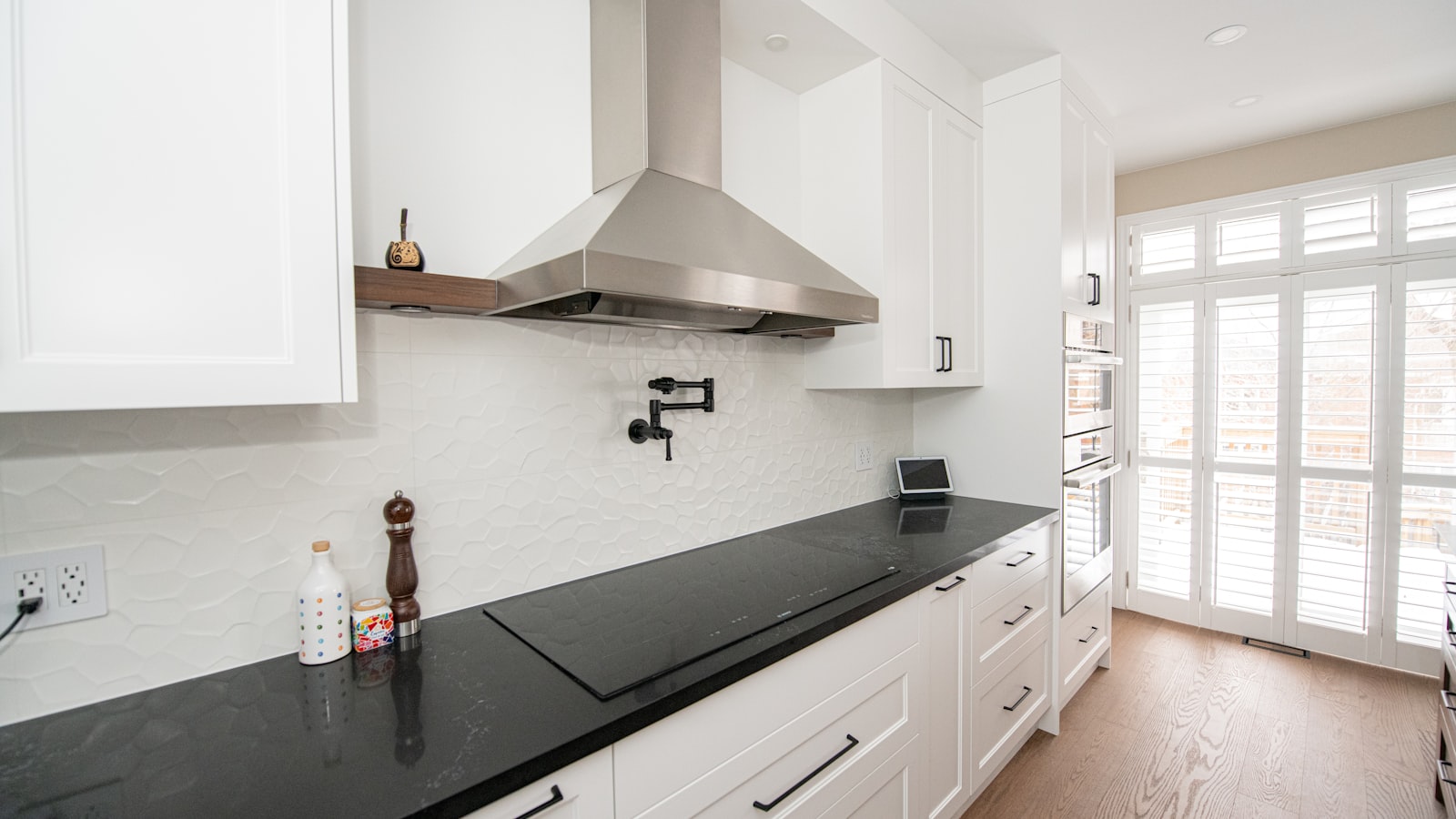
An induction hob feels almost magical when it works — near-instant heat, a cool glass surface, precise control. Which makes it all the more frustrating when it just sits there: a pan that won’t warm, a cryptic code blinking on the display, an insistent beeping, or a panel gone completely dark. Before you assume the worst and start pricing replacements, it’s worth knowing that induction hobs fail differently from gas or coil cooktops, and a good number of “faults” are nothing of the sort. Here’s how to diagnose yours safely, and — just as important — where the DIY line firmly sits.
First, understand how induction is different
An induction hob doesn’t heat the glass and pass warmth to the pan. It uses an electromagnetic field to make the pan itself generate heat. That single fact explains most of the “not working” complaints people report. If your cookware isn’t magnetic — no iron content for the field to grip — the hob simply cannot heat it, no matter how healthy the unit is. So a hob that “won’t heat” is very often a cookware problem wearing a hob problem’s clothes. Keep that in mind as you work through everything below.
It also explains the beeping and the shut-offs: an induction hob constantly checks for suitable cookware and monitors its own temperature, and it will refuse to run or cut out to protect itself. That’s designed behaviour, not a breakdown.
The pan won’t heat: check the cookware
This is the number-one call, so rule it out properly. Induction needs ferrous (magnetic) cookware — cast iron, most stainless steel, and pans specifically marked induction-compatible. Pure aluminium, copper and most glass or ceramic pans won’t work at all. The test takes two seconds: stick a fridge magnet to the base of the pan. If it clamps on firmly, the pan is fine; if it barely holds or slides off, the hob can’t heat it.
Two more cookware traps:
- Base size: the pan base must cover enough of the cooking zone to be detected. A tiny milk pan on a large zone may not register at all.
- Warped or uneven bases: a pan that rocks doesn’t make good contact and heats weakly or erratically.
If a known-good induction pan heats fine but another doesn’t, the hob is working — the pan was the problem.
Reading error codes without panic
Induction hobs talk to you in codes, and they look alarming until you know most are protective, not terminal. While codes differ by brand, they cluster into three families: cookware issues (no pan detected, or the pan is unsuitable), overheat protection (the hob or its internal electronics got too hot and paused), and power or voltage problems (the supply isn’t right). Your manual’s code list is the authority here — look up the exact code before doing anything, because a change of pan or a few minutes of cooling clears a large share of them.
If you’ve lost the paper manual, the model number is usually printed on the underside or in the original documentation, and the maker’s website will have the code table. Never assume a code means “buy a new hob.”
Beeping, then shutting off
A hob that beeps and powers down is almost always protecting itself. The usual triggers:
- Overheating: cooking on max for a long stretch, poor ventilation, or a blocked cooling vent underneath makes the electronics run hot and trip the cut-out. Let it cool completely, and check nothing is blocking airflow beneath or around the unit.
- Wet or covered controls: induction touch panels hate water. A spill, a damp cloth or even a pot handle resting on the control area will make the hob beep, lock or shut off. Wipe the glass bone dry and keep the control zone clear.
- Empty or wrong pan left on: an empty pan overheats fast and the hob intervenes.
Clear the cause, wait for it to cool, and retry. If a clean, cool, unblocked hob still shuts off with a good pan on it, that points to an internal fault for a technician.
Controls locked or unresponsive
If the hob powers on but the buttons do nothing, check for the child lock first — nearly every induction hob has one, usually a padlock symbol, and it’s switched on by accident constantly. Hold the lock button for a few seconds to release it (your manual confirms the exact gesture). Beyond that, wipe the glass thoroughly: grease, water and crumbs on a capacitive touch surface make it read phantom presses or ignore real ones. A quick clean and dry restores responsiveness more often than you’d expect.
Completely dead: the safe checks, then stop
A hob with no lights and no response needs care, because induction hobs are high-power appliances. Here is the full extent of safe DIY: if your hob runs off a plug, confirm it’s firmly seated and the socket switched on. Check your consumer unit (the electrical distribution box) for a tripped circuit breaker, and reset it once. That’s it.
If the hob stays dead, or the breaker trips again immediately, stop right there. Many induction hobs in Singapore are hardwired directly to the mains on a dedicated high-current circuit, and even plug-in models carry serious power. Opening the unit, probing the terminal block or chasing a tripping circuit involves mains electrical wiring, and that is strictly a job for a licensed electrician — the same class of professional you’d want for any fixed wiring. Never attempt it yourself. A repeatedly tripping circuit in particular can signal a genuine electrical fault that needs proper diagnosis, not a reset-and-hope.
Repair, replace, or check the running cost
Once you’re sure it’s the hob and not the pan or a protective cut-out, weigh the fix against the unit. As a rough 2026 guide, a licensed electrician or appliance technician call-out and diagnosis in Singapore tends to start around the mid-hundreds before parts, and induction control boards aren’t cheap — so verify the quote before agreeing, and treat any precise figure with caution until it’s confirmed. If the hob is well into its life and needs a board, replacement often wins; our guide on whether to repair or replace an appliance walks through the maths.
While you’re at it, it’s worth knowing what a healthy induction hob actually costs to run — it’s one of the more efficient ways to cook, and our breakdowns of appliance running costs in Singapore and how to cut your electricity bill put it in context. If you’re outfitting a compact kitchen and rethinking your setup, which small kitchen appliances are worth buying is a useful companion read.
The bottom line
Most induction hob “faults” aren’t faults at all. Test your cookware with a magnet, read the actual error code before reacting, keep the glass and controls clean and dry, check the child lock, and give the unit room to cool and breathe. Those checks resolve the large majority of complaints for free. But draw a hard line at the electrics: a dead hob, a tripping circuit or anything behind the glass involves mains wiring, and on a high-power, often hardwired appliance that means a licensed electrician — every time, no exceptions.
Frequently asked questions
Why is my induction hob not heating the pan?
The most common reason is unsuitable cookware — induction needs magnetic, ferrous-based pans. Test yours with a fridge magnet; if the magnet doesn't stick firmly, the hob can't heat it. Also make sure the pan base fully covers the cooking zone, as pans too small for the zone may not register.
What do induction hob error codes mean?
They vary by brand, but most codes signal one of three things: no cookware or unsuitable cookware detected, the hob overheating and protecting itself, or a supply-voltage problem. Check your manual's code list first — many 'faults' clear once you change the pan or let the unit cool down.
Why does my induction hob keep beeping and switching off?
Usually an overheat cut-out, a spill or wet cloth sitting on the touch controls, or an empty or wrong pan left on a zone. Wipe the glass dry, remove anything on the controls, let it cool, and retry. Persistent shut-offs on a clean, cool hob need a technician.
Can I fix an induction hob that has no power at all?
Only the safe basics — check whether the circuit has tripped and reset it once, and confirm any plug is seated. If it stays dead, or trips again, stop. Induction hobs are high-power appliances often hardwired to the mains, and internal or wiring faults must be handled by a licensed electrician.
More in Appliances & Electronics
See all
What Size TV for Your Bedroom? A Simple Guide
What TV size for your bedroom? Our Singapore guide matches screen inches to viewing distance, factoring in 4K, HDB bedroom sizes, wall…

Washing Machine Capacity: What kg Size Do You Need?
Confused by washing machine capacity? Our guide maps kg drum size to household size in Singapore, so you buy the right washer…

Standing Fan Not Working? How to Fix It (2026)
Standing fan not working — dead, spinning slowly, humming or not oscillating? Unplug first, then work through the safe DIY checks before…