
Instant vs Storage Water Heater: How to Choose (2026)
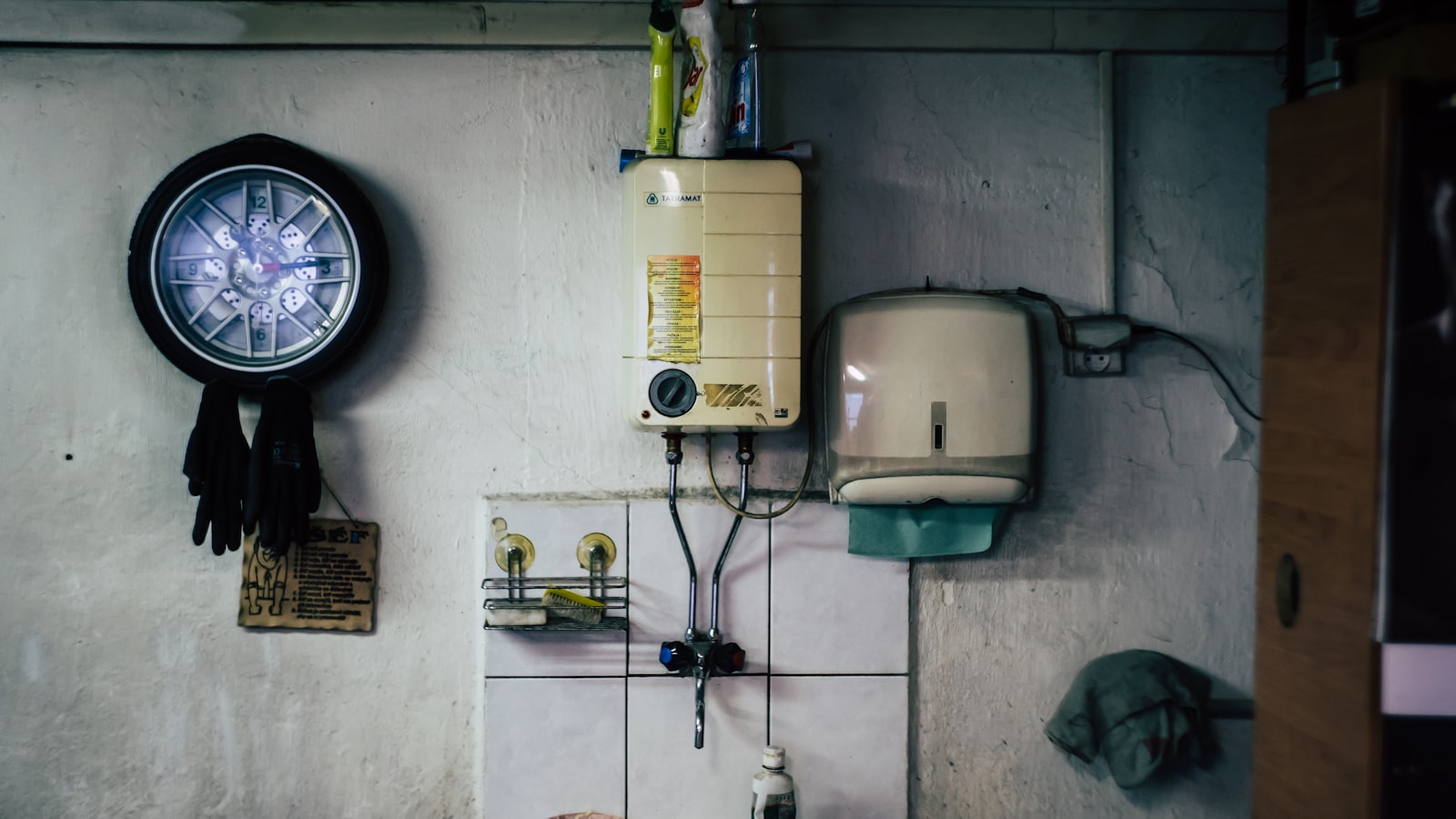
When something goes wrong with the hot water, or you are renovating a bathroom, you quickly discover there are two very different kinds of water heater, and they are not interchangeable. Choosing the wrong one leaves you with a lukewarm rainfall shower or a heater that trips your circuit. This guide walks through instant versus storage heaters the way they actually behave in a Singapore home, so you can pick the right type before you buy and book the electrician.
How the two types work
An instant heater, also called tankless or point-of-use, heats water only as it flows through, right at the moment you turn on the tap. There is no tank, so it is compact and there is no standby heat loss from keeping water warm. Most instant units in Singapore are the slim boxes mounted on the bathroom wall next to the shower.
A storage heater keeps a tank of water, commonly in the range of tens of litres, heated and ready. When you shower, you draw hot water from the tank, and the heater reheats it afterwards. Because the hot water is already there, it can supply higher flow rates and more than one outlet, at the cost of a bulkier unit and some standby energy to keep the tank warm.
Power draw and wiring
This is where the two differ most and where people get caught out. An instant heater has to raise the temperature of water in a fraction of a second, so it draws high wattage while running. Many instant heaters need a dedicated circuit and an isolator switch, and the cabling has to be rated for the load. If you simply swap in a more powerful instant heater on old wiring, you can trip breakers or, worse, overload a circuit.
A storage heater draws lower power because it heats a tank gradually over time rather than instantly, though it uses that power for longer and loses a little heat keeping the tank warm. Neither is dramatically cheaper to run for a normal household; usage depends far more on how long and how hot you shower. If you want to trim water-heating costs, our guide on how to cut your electricity bill in Singapore has practical tips.
Rainfall showers and multiple outlets
The flow rate question decides a lot. An instant heater has only a moment to heat each litre of water, so at high flow the temperature drops. A standard handheld shower head is a low enough flow that an instant heater copes fine. A rainfall shower head, which pours out far more water, can overwhelm an instant heater and leave you with lukewarm water, especially a lower-powered unit.
If you have your heart set on a rainfall shower, a bathtub, or want hot water at two outlets at the same time, a storage heater with an adequately sized tank is usually the better match. Match the tank size to your household and shower style; too small and you run out of hot water mid-shower.
| Instant (tankless) | Storage (tank) | |
|---|---|---|
| Space | Compact, wall-mounted | Bulkier tank |
| Hot water supply | Endless but flow-limited | Limited by tank size, high flow |
| Rainfall shower | Often struggles | Handles it well |
| Power | High draw, short bursts | Lower draw, longer, some standby loss |
| Wiring | May need dedicated circuit | Usually simpler |
Which suits an HDB flat?
Most HDB bathrooms are fitted with instant heaters, and for good reason: they are compact, suit the standard handheld shower, and avoid giving up cabinet or ceiling space to a tank. If you shower one person at a time with a normal shower head, an instant heater is very likely all you need.
The case for a storage heater in an HDB flat is usually a specific one: a rainfall shower during renovation, a bathtub, an ageing family member who prefers a steady gentle flow, or a household where two bathrooms draw hot water at once. If none of those apply, the simpler instant heater is the sensible default.
Space and where it goes
Physical space often decides the matter before anything else. An instant heater is a slim box that fits neatly on the bathroom wall beside the shower, which is why it dominates compact HDB bathrooms. A storage heater needs somewhere to put the tank, commonly mounted high on a wall, tucked above a false ceiling, or in a service area. If your bathroom is small and has no obvious home for a tank, that alone may point you to an instant unit.
It is also worth thinking about the mounting surface and access. A tank is heavy when full and must be fixed securely, and you want to be able to reach it for servicing or replacement years down the line. Plan the location together with your electrician and, if you are renovating, your contractor, rather than discovering after tiling that there is nowhere sensible for the unit to go.
Safety and the licensed electrician
Whatever you choose, this is not a job to improvise. A water heater combines high electrical current with water, the most unforgiving combination in the home. Installation and electrical connection should be done by an EMA-licensed electrician, who will ensure the heater is on suitable wiring, properly earthed, protected by the right safety devices, and mounted where splashing water cannot reach live parts. Choose a unit rated for wet bathroom use and make sure any isolator switch is correctly fitted.
For a sense of what tradesperson work costs and how to find a reputable one, see our guide on electrician, plumber and handyman costs in Singapore. Cutting corners here to save a little is a genuinely bad trade.
Cost and servicing
As an approximate guide, instant heaters tend to sit at the lower end for the unit itself and are cheaper to install because they are simpler, while storage heaters cost more up front and take up more space. Treat any figure you see online as a rough range to verify with current quotes, since prices move and depend heavily on the model and installation.
Both types benefit from occasional attention. Storage tanks can accumulate sediment over years and eventually need replacing; instant heaters are relatively low-maintenance but should be checked if flow or temperature changes. A heater that suddenly trips, leaks or delivers inconsistent temperature should be looked at promptly rather than nursed along.
Water heaters also have a finite lifespan, and an ageing unit is worth replacing before it fails rather than after. Warning signs include water that never quite reaches the temperature it used to, visible rust or dampness around the unit, a heater that trips its safety switch more often, or unusual noises from a storage tank. If yours is many years old and showing any of these, budget for a replacement rather than repeated repairs. For more on choosing home appliances sensibly, browse our appliances guides.
The bottom line
The choice comes down to how you shower and what your bathroom demands. For a standard handheld shower in a typical HDB bathroom, a compact instant heater is the natural, space-saving pick. If you want a rainfall shower, a bathtub, or hot water at two points at once, a storage heater with the right tank size will serve you better. Whichever you choose, match the wiring to the unit and always have it installed by an EMA-licensed electrician, because with water and high current, safety is not the place to economise.
Frequently asked questions
Which is better for an HDB flat, instant or storage?
For most HDB bathrooms with a standard handheld shower, an instant heater is the common, space-saving choice. Storage heaters make more sense if you have a rainfall shower head, a bathtub, or want hot water at more than one point at once.
Does an instant water heater use a lot of electricity?
It draws high wattage while running, but only heats water on demand for the length of your shower, so it does not keep reheating a tank. Overall usage depends mainly on how long and how hot you shower.
Can I install a water heater myself?
You should not. Water heaters involve high current near water and must be installed and wired by an EMA-licensed electrician. DIY wiring is dangerous and can void warranties and insurance.
Why does my instant heater struggle with a rainfall shower?
Rainfall shower heads pour out a lot of water, and an instant heater has only a moment to heat each litre. At high flow the water can come out lukewarm, which is why storage heaters suit rainfall showers better.
More in Appliances & Electronics
See all
What Size TV for Your Bedroom? A Simple Guide
What TV size for your bedroom? Our Singapore guide matches screen inches to viewing distance, factoring in 4K, HDB bedroom sizes, wall…

Washing Machine Capacity: What kg Size Do You Need?
Confused by washing machine capacity? Our guide maps kg drum size to household size in Singapore, so you buy the right washer…

Standing Fan Not Working? How to Fix It (2026)
Standing fan not working — dead, spinning slowly, humming or not oscillating? Unplug first, then work through the safe DIY checks before…