
Property Tax in Singapore, Explained (2026)
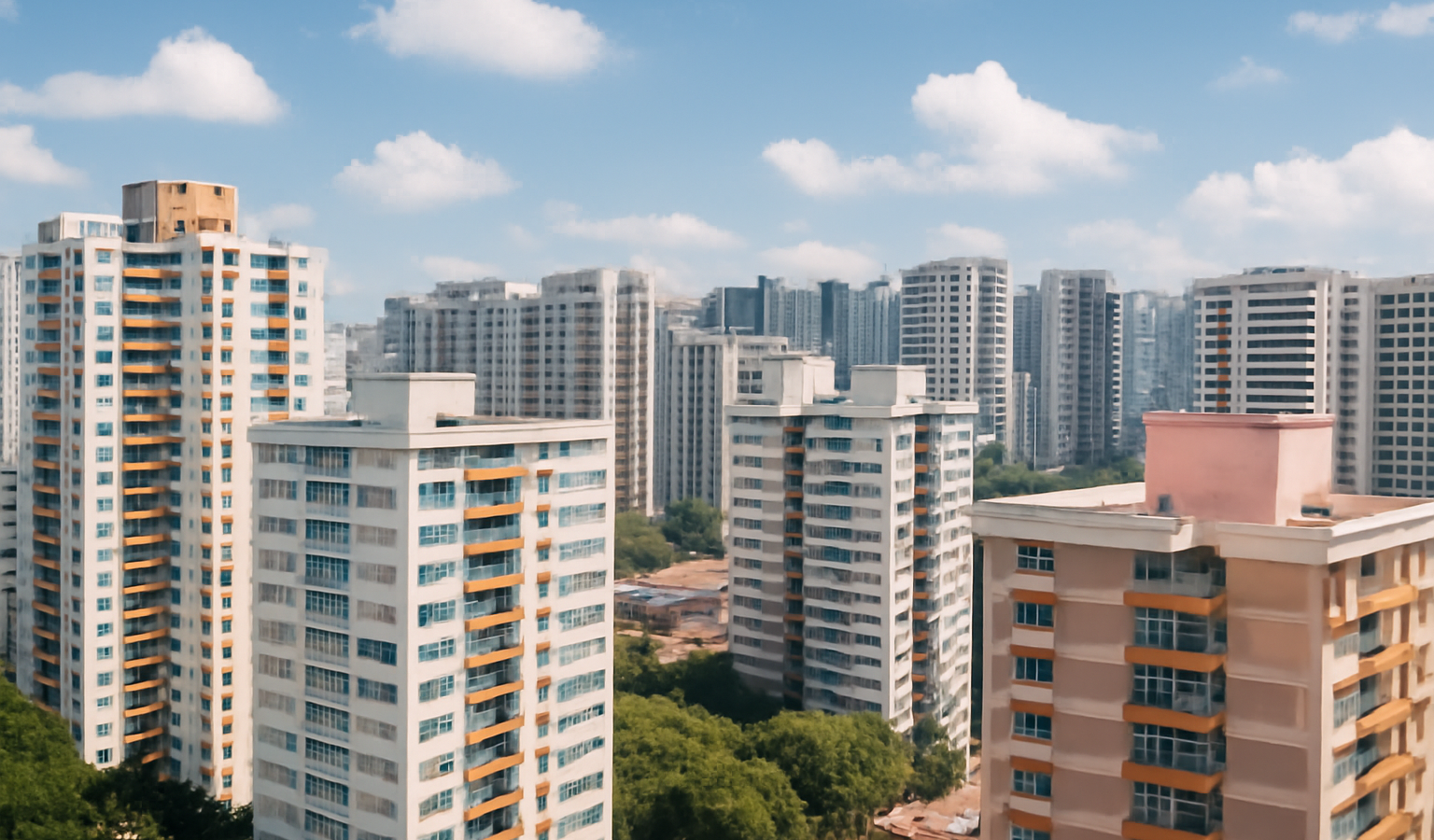
Property tax is one of those quiet recurring costs that many buyers only think about when the bill lands. Unlike stamp duty, which you pay once, property tax comes around every year for as long as you own the home. It is not based on what you paid or what the property is worth today, but on a figure most owners barely understand: the Annual Value. This guide explains how property tax works in Singapore in 2026, so there are no surprises.
Who charges it and on what basis
Property tax in Singapore is levied by IRAS, the tax authority, on all property, and it is calculated on the Annual Value of the property rather than its market price or purchase cost. This is a crucial distinction. Two flats bought at very different prices could, in principle, have similar Annual Values if their rental potential is similar.
Because the tax is tied to Annual Value, understanding that figure is the key to understanding your bill. It also means your property tax can move over time independently of what you paid, as the underlying rental market shifts.
What Annual Value means
Annual Value, or AV, is IRAS’s estimate of the gross annual rent your property could reasonably fetch if it were rented out, excluding furniture and maintenance fees. It applies whether or not you actually rent the place out; even if you live in your home and never lease it, it still has an AV based on comparable rental evidence.
This is why AV, and therefore your property tax, can rise when the rental market is strong, even for an owner-occupier who has no intention of renting. IRAS reviews Annual Values periodically in line with market rents, so your bill is not fixed forever.
Owner-occupier versus non-owner-occupier rates
Singapore taxes homes you live in more lightly than homes you do not. Owner-occupied residential properties enjoy concessionary owner-occupier tax rates, which are progressive, so higher-AV homes pay a higher marginal rate. Non-owner-occupied residential properties, including those rented out, are taxed at higher rates.
The policy intent is to keep tax modest for people living in their own homes while charging more on investment and rented property. For most owner-occupiers, especially of HDB flats and modest private homes, the effective rate is relatively gentle. Verify the current rate bands with IRAS, as they are periodically revised.
How renting out changes your bill
If you rent out your home, or otherwise stop occupying it, it shifts to the non-owner-occupier rates and your property tax rises accordingly. This is an important number to fold into any decision to lease out a flat, because it eats into your net rental yield alongside other costs.
Owners considering renting out their flat should model the tax properly. Our guide on renting out your HDB flat covers the wider costs and rules, and the higher property tax rate is one of the line items that turns a headline rent into a smaller real return.
HDB flats and property tax
HDB flats are not exempt; they pay property tax on their Annual Value like any other home. The good news is that the AVs of most flats are modest compared with larger private properties, and owner-occupied flats benefit from the lower owner-occupier rates, so the annual bill is usually manageable.
Still, flat owners should expect a bill and budget for it, particularly as Annual Values are reviewed over time. If you are buying your first flat, our first-time HDB buyer guide helps you fold recurring costs like this into your ownership budget from the start.
Property tax versus stamp duty
It is easy to confuse the various property taxes, so it helps to separate them. Buyer’s Stamp Duty and Additional Buyer’s Stamp Duty are one-off taxes paid when you buy. Property tax is a recurring annual tax on ownership. They are entirely different charges serving different purposes.
When you plan a purchase, budget for both: the large one-off stamp duty at the point of buying, and the smaller but perpetual property tax each year after. Our sibling guide on how to buy a condo in Singapore covers the stamp duty side of the equation in detail.
How to plan for it
Because property tax recurs annually and can rise with Annual Values, the sensible approach is to treat it as a fixed household cost, like insurance or maintenance fees. Look up the Annual Value of a property you are considering to estimate the likely bill, and remember it may increase over the years you own the home.
Owners who rent out should build the higher non-owner-occupier rate into their yield calculations from day one, alongside the way CPF and financing costs interact with ownership. Planning for the full picture keeps the annual bill from feeling like an unwelcome surprise.
When and how the bill is paid
Property tax is billed by IRAS on an annual cycle, with the amount for the coming year typically issued toward the end of the previous year. Owners can pay in one lump sum or arrange to spread the payment over instalments, which softens the impact of a larger bill on cash flow.
Setting up a manageable payment method and knowing when the bill lands helps you avoid late payment, which can attract penalties. For most owner-occupiers of flats and modest homes the sum is not large, but treating it as a scheduled annual expense, rather than an unwelcome surprise, keeps your household budget on track and avoids any last-minute scramble to find the money.
Reliefs, rebates and staying informed
From time to time the government adjusts property tax, whether through changes to the rate bands, revisions to Annual Values, or one-off rebates in particular years. Because these changes can move your bill up or down, it pays to stay informed rather than assume this year’s figure will repeat next year.
The owner-occupier concession is itself effectively a relief, rewarding you for living in your own home with lower rates than an investor pays. To make sure you are taxed correctly, ensure IRAS has the right occupancy status for your property, since claiming owner-occupier rates on a home you actually rent out is not permitted. When in doubt about your Annual Value or the rate that applies, checking directly with IRAS is the safest way to get an accurate, current answer for your specific home.
The bottom line
Property tax in Singapore is an annual charge from IRAS based on your home’s Annual Value, not its price. Owner-occupiers pay lower progressive rates; rented-out and non-owner-occupied homes pay more. Because AV tracks the rental market, your bill can rise over time even if you never lease the place out. Treat property tax as a recurring cost, check a property’s Annual Value before you buy, and verify current rates with IRAS, since bands change. When you want expert help planning a purchase and its running costs, get matched with a licensed agent below.
Frequently asked questions
How is property tax calculated in Singapore?
IRAS applies a tax rate to the property's Annual Value, which is an estimate of the yearly rent the property could fetch if let out. Owner-occupied homes are taxed at lower progressive rates, while non-owner-occupied properties face higher rates.
Is property tax higher if you rent out your home?
Yes. When a residential property is not owner-occupied, including when it is rented out, it is taxed at the higher non-owner-occupier rates rather than the concessionary owner-occupier rates, which increases the annual bill.
Do HDB flats pay property tax?
Yes, HDB flats are subject to property tax on their Annual Value, though owner-occupied flats benefit from the lower owner-occupier rates and the Annual Values of flats are generally modest compared with larger private homes.
Speak to a property agent
Looking to rent or buy? We’ll connect you with a licensed agent for your area and budget.
More in Property & Rentals
See all
HDB Buying Jargon: A Glossary for First-Timers (2026)
Confused by HDB jargon? This plain-English glossary explains BTO, MOP, OTP, HFE, COV, EIP, CPF grants and more so first-time flat buyers…

Suburban vs City HDB Living: Which Suits You? (2026)
Suburban vs city HDB living in Singapore: compare price, space, commute, MRT access, amenities and BTO supply so you can pick the…
HDB Eligibility Schemes and the Family Nucleus (2026)
Understand HDB eligibility schemes and the family nucleus rule: the Public, Fiance/Fiancee, Single and Joint Singles routes to buying an HDB flat.