
Rugs & Carpets for an HDB: Are They Worth It? (2026)
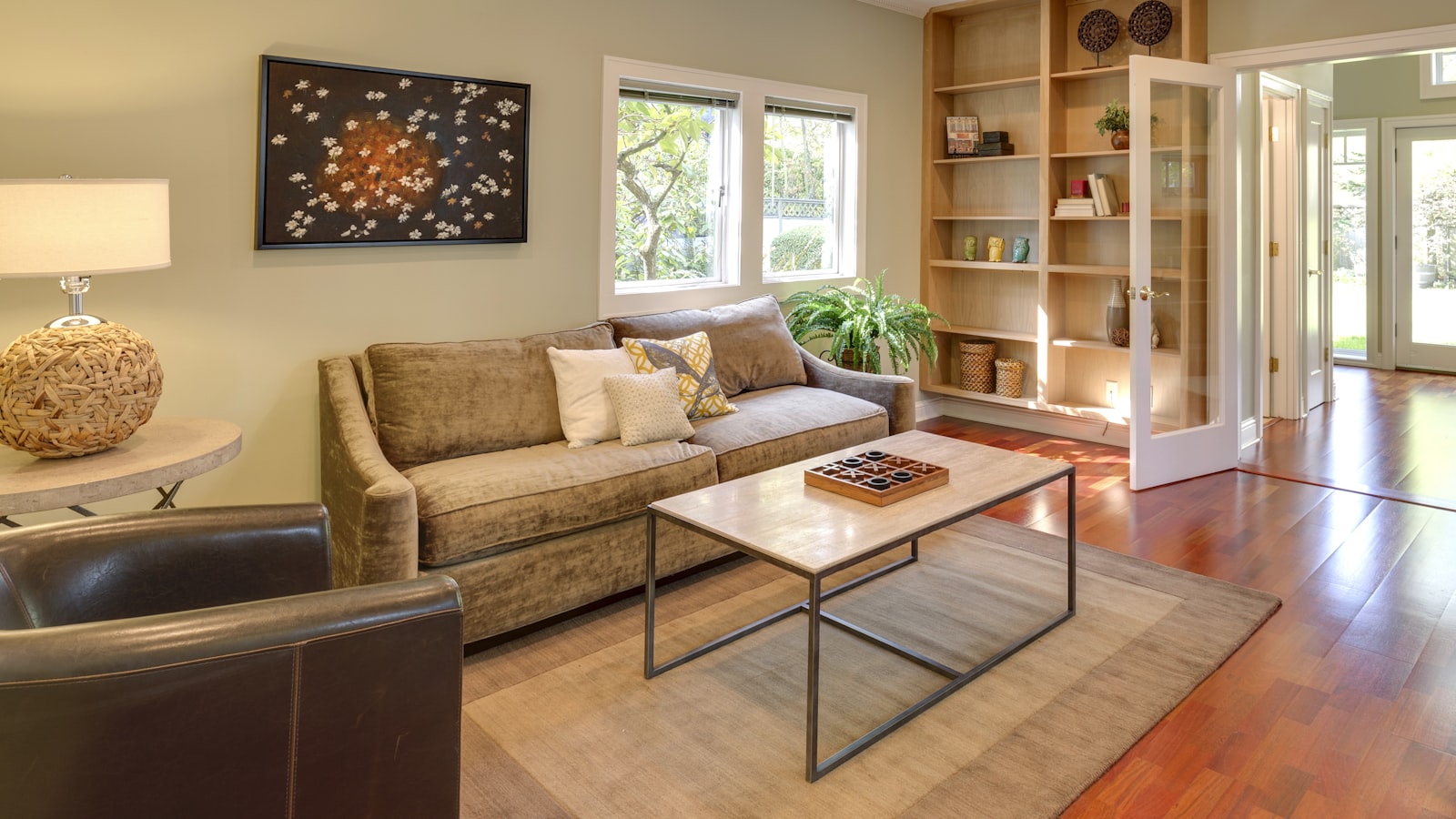
Rugs sit in an odd spot for Singapore homes. They promise comfort, warmth and a designer finish, yet our humid, dusty climate makes many people wonder whether a rug in an HDB flat is a cosy upgrade or a mould-prone dust trap waiting to happen. The honest answer is: it depends on the rug and how you look after it. This guide weighs the real pros and cons and shows how to choose one that earns its place.
What a rug actually does for a room
A good rug does more than look nice. It adds softness and warmth underfoot on hard tile or vinyl floors, which is genuinely pleasant to sit and play on. It absorbs sound, reducing echo and footstep noise, which matters in flats with hard surfaces and neighbours below.
Perhaps most usefully in open-plan HDB layouts, a rug defines zones, visually separating a living area from a dining space without any building work. It also anchors and ties together furniture, giving a room a finished, intentional feel that bare floors can lack.
The Singapore climate challenge
The case against rugs here is really a case about our climate. High humidity means moisture gets trapped in dense pile, creating conditions for mould, mildew and musty odours if the rug is neglected. Warmth and dust together are also friendly to dust mites, a concern for allergy sufferers.
None of this makes rugs unusable; it makes maintenance essential. A rug that is regularly cleaned, aired and kept dry is perfectly fine, while one that is laid down and forgotten in a damp corner is asking for trouble. Be honest about which kind of owner you will be before you buy.
Choosing the right rug for our climate
Material and construction make or break a rug in Singapore. Favour low-pile or flat-weave rugs over deep, plush shag, because shorter pile traps less dust and moisture and dries faster. Easy-clean, quick-drying materials beat dense, delicate ones that hold damp.
Washable rugs, or ones small enough to lift and clean easily, are a smart choice for high-traffic or spill-prone areas. Think about placement too: a rug in a well-ventilated living room fares far better than one in a perpetually shaded, humid corner. Our guide on where to buy affordable furniture in Singapore can point you toward budget-friendly options to experiment with.
Comfort, noise and family life
For families, rugs have real practical value beyond looks. A soft surface is safer and more comfortable for babies and young children learning to sit, crawl and play on the floor, and it takes the hardness out of an otherwise unforgiving tile surface.
The noise-dampening benefit is significant in flats, softening the clatter of play and daily life for both you and the neighbours below. If you have kids, a durable, washable rug in the play area is often one of the more worthwhile home additions, provided you keep on top of the cleaning.
Keeping a rug clean and healthy
Maintenance is the whole game with rugs in Singapore. A workable routine looks like this:
- Vacuum regularly to lift dust and prevent it settling deep into the pile.
- Air the rug in sunlight when you can, since sun and airflow discourage mould and mites.
- Treat spills immediately before they soak in and stain or smell.
- Deep clean periodically to reset the rug and clear built-up grime.
A capable vacuum makes the routine effortless rather than a chore. Our guide on how to choose a vacuum cleaner helps you pick one that handles rugs and allergens well.
When bare floors are the better call
Rugs are not for everyone. If you run hot, hate cleaning, or have severe dust allergies, bare tile or vinyl floors are cooler underfoot, lower-maintenance and simpler to keep hygienic in our climate. There is no shame in skipping rugs entirely.
You can still get warmth and zoning through other means, such as furniture arrangement and lighting. Our home lighting guide shows how to define and warm up a space without a single textile on the floor, which suits minimalists and the maintenance-averse.
So, are they worth it?
The verdict comes down to you. A rug is worth it if you value the comfort, warmth and noise reduction, choose a climate-appropriate low-pile style, and will actually maintain it. In that case it adds real warmth and character to a hard-floored flat and is a modest, changeable investment.
It is not worth it if you will not keep up the cleaning, run hot, or have serious allergies, in which case bare floors serve you better. Match the decision to your habits and climate rather than to a magazine photo, and you will not regret it either way.
Choosing the right size and placement
Beyond material, size and placement make or break how a rug looks in a room. A rug that is too small looks lost and makes the space feel disjointed, while a generously sized rug that sits under the front legs of your sofa and other furniture anchors the seating area and makes the room feel cohesive and larger.
In a dining area, choose a rug big enough that the chairs stay on it even when pulled out, or the effect looks awkward and the chairs catch on the edge. Placement also affects maintenance: keep rugs out of the most spill-prone spots and away from perpetually damp corners. Getting size and position right is what separates a rug that pulls a room together from one that looks like an afterthought.
Styling a rug in your home
A rug is one of the easiest ways to add colour, pattern and warmth to a room, so use it to complement your existing furniture rather than fight it. In a room with plain furniture, a patterned rug adds interest; in a busy room, a simpler rug calms things down. Either way, tie the colours to something already in the space so it feels intentional.
Because rugs are relatively affordable and easy to change, they are a low-risk way to refresh a room’s look without buying new furniture. If your sofa is the anchor of your living room, coordinating the rug with it pulls the whole space together. Our guide on how to choose a sofa helps you pick the centrepiece that a well-chosen rug then frames and complements.
The bottom line
Rugs can absolutely work in an HDB flat, adding comfort, warmth, quiet and definition to a room, but Singapore’s humidity and dust mean they demand real maintenance. Choose a low-pile, easy-clean, climate-friendly rug, keep it vacuumed, aired and dry, and it will reward you. If maintenance is not your thing or you run hot, cooler bare floors are the smarter, simpler choice. Decide honestly based on your habits, and a rug becomes an asset rather than a liability.
Frequently asked questions
Are rugs a good idea in a Singapore HDB flat?
They can be, if you are willing to maintain them. Rugs add comfort, warmth underfoot and noise reduction, and help define spaces. The trade-off is that Singapore's humidity and dust mean rugs need regular cleaning and airing to avoid mould, odours and allergens.
Do rugs make a flat hotter?
A large, thick rug can make a room feel slightly warmer and cosier, which is usually unwanted in our climate, while bare tile or vinyl floors feel cooler. Choosing a thinner, breathable rug and keeping the room ventilated limits any noticeable heat difference.
How do you keep a rug clean in humid Singapore?
Vacuum regularly, air the rug in sunlight when you can, deal with spills immediately, and give it a deeper clean periodically. Choosing a low-pile, easy-clean rug makes all of this far more manageable in a humid climate prone to dust mites and mould.
More in Furniture & Homeware
See all
Storage Ottomans & Benches: A Buying Guide
A storage ottoman or bench adds hidden storage and seating in small SG flats. Our buying guide covers types, sizes, materials, lids…

How to Measure for Curtains (2026)
How to measure curtains for Singapore homes: rod and track width, drop options, fullness ratio and day-and-night layering, all in cm and…

How to Measure a Room for Furniture (2026)
Learn how to measure a room for furniture step by step: length, width, doorways, delivery access, power points and walkways, plus a…