
Home Organisation Methods That Actually Stick (2026)
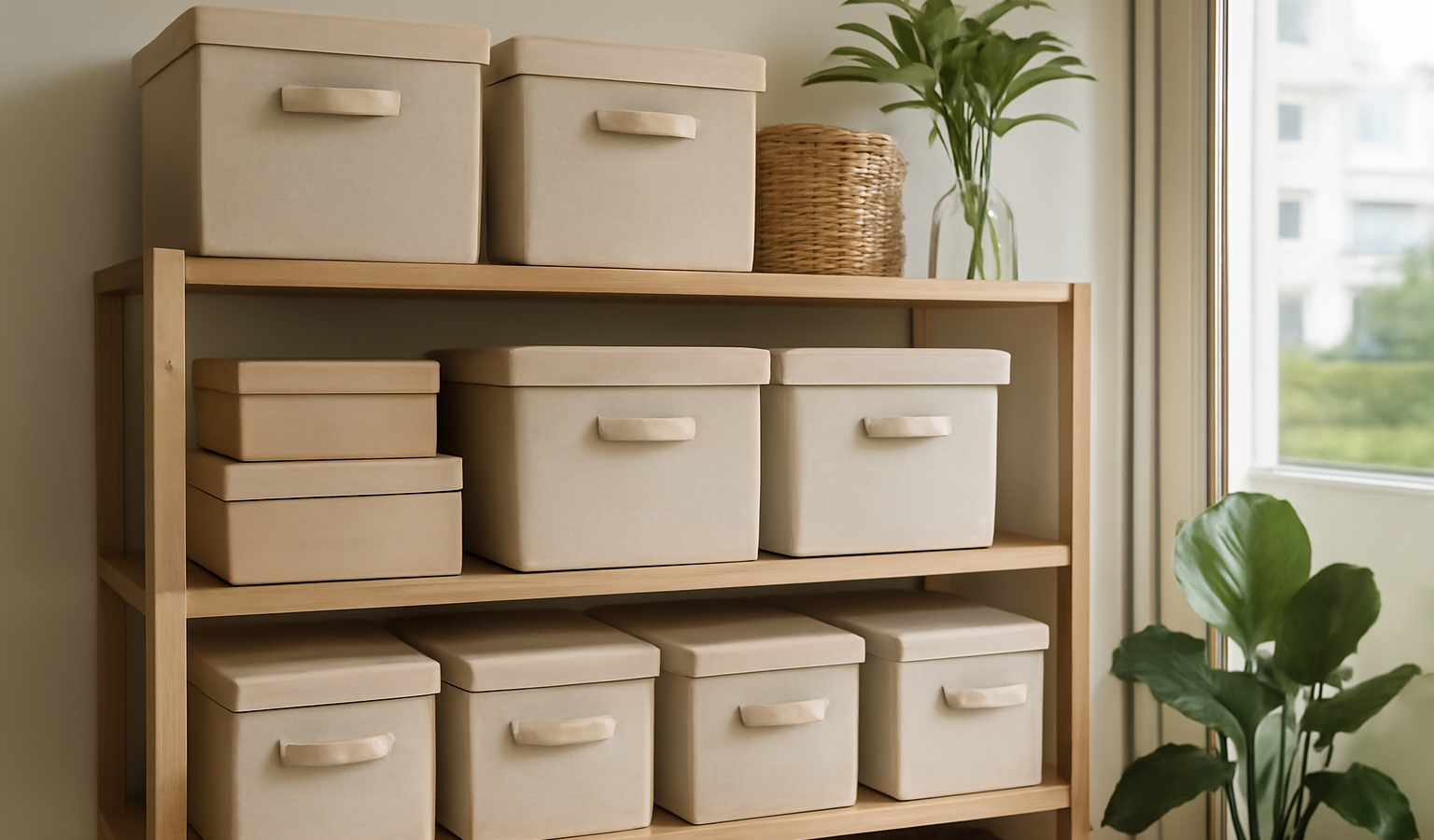
Every organised home you’ve ever admired is running on a system, and every system you’ve ever abandoned failed for the same reason: it asked too much of you at the wrong moment. The fix isn’t more discipline or more boxes from the storage aisle — it’s designing around how you actually behave at 9pm on a Tuesday. Here are the methods that survive contact with real life in real Singapore flats, and why they work when the Pinterest-perfect ones don’t.
Why organisation systems fail
Three failure modes account for almost every relapsed home. Friction: the item’s “home” takes multiple motions to reach — open cupboard, move box, lift lid — so it lands on the counter instead. Distance: things stored where they fit rather than where they’re used, so the scissors never return to the study because they’re needed in the kitchen. Over-design: categories so fine-grained (seven types of cable, each in its own pouch) that nobody can remember the rules, including the person who made them.
The design principle that beats all three: build for the tired version of yourself. If the lazy path and the correct path are the same path, the system maintains itself.
Declutter first — organising clutter is just moving it
No method survives too much stuff. Before buying a single container, cull: if a shelf is 90% full, no organiser will save it, because systems need slack to absorb daily life. Work category by category or zone by zone, and be honest about the three classic Singapore-flat hoards — paper bags, delivery boxes and “spare” cables. If a big life event is forcing the issue anyway, our guide to decluttering before a move has the sorting method, and disposing of bulky items in Singapore covers getting the furniture-sized rejects out of your life.
Only after culling do you buy organisers — and you’ll buy far fewer, because now you’re containing what remains, not warehousing what you couldn’t decide about.
Zoning: give every activity an address
The backbone method for small homes is zoning: every recurring activity gets one defined home, and everything that activity needs lives there.
- The drop zone. A tray or shallow basket by the door for keys, wallet, EZ-link and sunglasses. This single zone eliminates the most-repeated search in any household.
- The paperwork point. One drawer or file box for documents-in-progress — bills, forms, letters. One. When it fills, you process it; you never wonder where a letter went.
- The cleaning caddy. Supplies in a carryable caddy rather than scattered under three sinks, so cleaning starts in one motion.
- The charging station. One spot where devices and cables live, ending the nightly charger hunt.
- The pantry and fridge zones. Group by use (breakfast things together, cooking oils together), front-face the items that expire, and keep one basket for “eat me first”.
Zones work because they replace a hundred small decisions with addresses. Nobody deliberates where the keys go; the tray decides.
The one-touch rule and other keystone habits
The best test of any storage decision: can the item be put away in one motion? Hooks beat hangers, open bins beat lidded stacks, and a shallow drawer beats a deep one for anything used daily. Every added motion cuts compliance — this is why coat hooks stay used for decades while “seasonal rotation systems” die in a month.
Pair one-touch storage with two habits that carry the whole system. The nightly ten-minute reset: a timer, the whole household, everything back to its address — small enough to actually happen, big enough to prevent accumulation. One in, one out: for saturated categories (mugs, T-shirts, kids’ toys), a new arrival means a departure. Together they keep maintenance smaller than the mess cycle, which is the whole game.
Small-flat tactics: think vertical, think hidden
Singapore flats reward using the dimensions people forget:
- Vertical: shelving to the ceiling for rarely-used items (top), daily items at eye and hip level, kids’ things low. Over-door racks and wall hooks add storage with zero floor cost.
- Under and inside: under-bed boxes for linens and off-season items; the void under sofas; storage stools and ottomans; the strangely productive space above wardrobes (labelled boxes only, or it becomes an archaeology site).
- The bomb shelter or store room: shelve it and label it, or it becomes a place things go to disappear. Dense storage without labels is functionally identical to losing things.
Labels matter more than aesthetics — a labelled shoebox outperforms an unlabelled designer bin, because systems only stick when every household member (and future-you) can follow them without asking. If you’re setting up a home from scratch after a move, building zones during unpacking is dramatically easier than retrofitting; our unpacking system after a move shows how to bake organisation in from box one.
Shared homes: the system has to fit everyone
A system only one person understands is a chore assigned to that person forever. In shared flats and family homes, three adjustments make organisation collective. First, design at the user’s height and ability — kids’ toy bins low and open (a three-year-old can’t operate a latched lid, so the lid guarantees the floor), everyday kitchen items reachable by whoever actually cooks. Second, label for the household you actually have — words for readers, pictures for pre-readers, and in multilingual households, whatever language the person doing the putting-away thinks in. Third, agree the zones out loud: a two-minute tour (“keys live here, mail goes here, bags go there”) outperforms any silent system, because most “messiness” in shared homes is just people never having been told where things live.
Accept, too, that different people run different standards. Fight for the shared spaces — living room, kitchen and entrance reset daily — and let personal spaces run at their owner’s tolerance. Systems that police bedrooms die of resentment; systems that keep common areas functional get defended by everyone who benefits. And when someone keeps “violating” a zone, redesign the zone: the person is data, not the enemy.
Sustain it: schedule, seasons and forgiveness
Even good systems drift, so schedule the correction: the ten-minute daily reset, a weekly surfaces-and-floors tidy, and a light quarterly review where you fix what’s stopped working — not by trying harder, but by redesigning the friction point. A drawer that’s always messy isn’t a discipline failure; it’s a drawer with a bad system. Demote things you never use, promote things that keep landing on counters (the counter is telling you where they want to live), and fold the review into the household rhythm alongside your home maintenance schedule.
And allow imperfection. The goal isn’t a showroom; it’s a home that resets in ten minutes instead of a lost weekend. A system running at 80% forever beats one that ran at 100% for two weeks in January.
The bottom line
Home organisation sticks when the system is lazier than you are: declutter first, give every activity a zoned address, make put-away a one-touch motion, label everything, and maintain with a nightly ten-minute reset instead of heroic overhauls. Design for your tired self, redesign whatever keeps failing, and the flat stays organised because staying organised has become the path of least resistance.
Frequently asked questions
Why do my home organisation attempts never last?
Usually because the system requires more effort to maintain than the mess it replaces — items stored far from where they're used, lids and stacked boxes that add steps, or categories too fine-grained to remember. Simplify until put-away takes one motion.
Should I declutter or buy storage first?
Declutter first, always. Buying containers before culling just reorganises excess. Once you know what's staying, you'll buy fewer, better-fitting organisers — and often need none at all.
What's the best organisation method for a small HDB flat?
Zoning works best in small homes: give every activity a defined home (a drop zone by the door, one drawer for paperwork, a cleaning caddy) and use vertical space — tall shelving, over-door racks and under-bed storage — before adding furniture.
How long should organising a whole flat take?
Done sustainably, a few weekends — one zone or room at a time. Marathon whole-house blitzes produce impressive photos and quick relapses; small completed zones build the habit that keeps the system alive.
More in Moving & Home Setup
See all
Cheap Storage Options in Singapore (2026)
Looking for cheap storage in Singapore? Learn to declutter first, weigh self-storage costs and find budget alternatives like box storage, shared and…

A Realistic Home Cleaning Schedule (2026)
A realistic home cleaning schedule for busy Singapore households: daily 10-minute resets, weekly rotations, monthly deep tasks and when to outsource.

Move or Renovate? How to Decide (2026)
Move or renovate? A practical framework for Singapore homeowners: compare true costs, disruption, what renovation can and cannot fix, and when moving…