
Eco-Friendly Renovation Ideas That Save Money (2026)
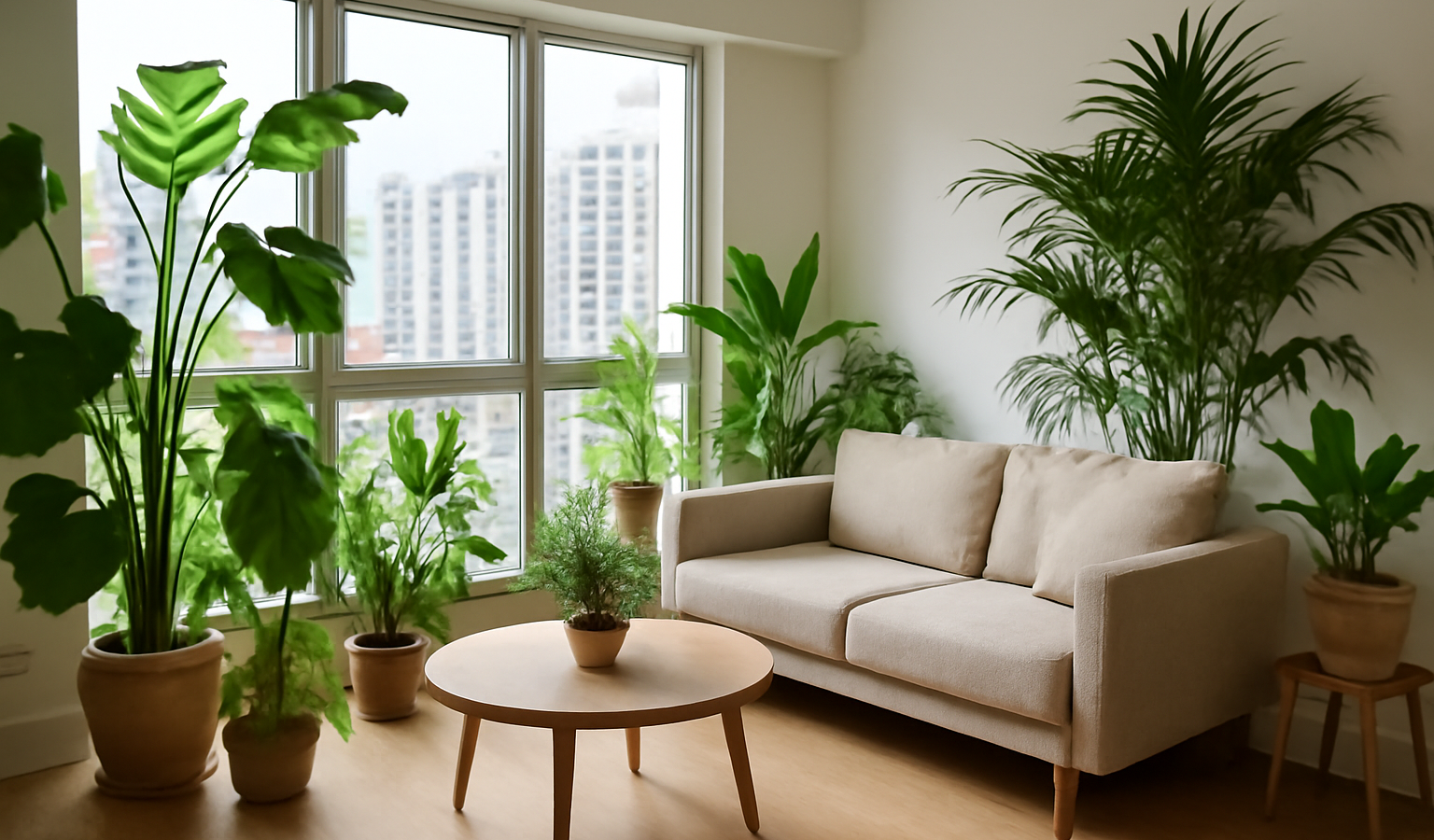
“Eco-friendly” has a reputation problem in renovation circles: people hear it and picture bamboo everything at double the price. The reality in Singapore is closer to the opposite. The choices that genuinely shrink your home’s footprint — using less electricity, less water, fewer replaced materials — are mostly the same choices that shrink your bills. Green and cheap are usually on the same team.
Here are the eco-friendly ideas that actually pay you back, roughly in order of impact for a Singapore flat — worth reading alongside our wider renovation and home services guides if you are planning a full project.
Attack electricity first: cooling and appliances
In a tropical flat, cooling dominates the power bill, followed by the fridge and water heater. If your renovation involves buying appliances, this is where green thinking earns real money. Choose air conditioners, fridges and dryers with high energy efficiency ratings — the tick system makes comparison easy, and our guide to energy labels and tick ratings explains what the marks mean in dollar terms.
A more efficient aircon or fridge may cost more upfront, but these machines run for a decade or more, and the gap in running costs compounds every month. Right-sizing matters too: an oversized aircon or fridge wastes energy from day one. For a fuller list of habits and swaps, see our guide on cutting your electricity bill in Singapore.
Design for daylight and airflow, not against them
The cheapest cooling is the cooling you never need. During layout planning, avoid blocking windows with tall carpentry, choose light-coloured finishes that bounce daylight deeper into the flat, and keep cross-ventilation paths open between windows. Ceiling or wall fans in every main room let you raise the aircon temperature — or skip it entirely on cooler days — with barely any running cost.
Window treatments do quiet work here: solar film or decent blackout curtains on west-facing windows cut afternoon heat gain significantly, which means the aircon fights a smaller battle every evening. If you are choosing between curtain and blind options anyway, factor sun orientation into the decision the same way you would factor in privacy — the west-facing rooms are where heat-blocking fabric earns its keep, while north- and south-facing windows can afford lighter, brighter treatments.
Switch everything to LED — and plan the circuits well
LED lighting is the closest thing to a free win in renovation. LEDs use a fraction of the energy of older lighting, last for years and now come in every warmth and style. Since your electrician is wiring the flat anyway, the marginal cost of specifying LED throughout is negligible.
The bigger savings come from planning: separate circuits so you light only the zone you are using, switches placed where you will actually use them, and task lighting instead of blasting general lights for one activity. Our renovation lighting plan guide walks through this room by room. Remember that all electrical works must be carried out by an EMA-licensed electrical worker, so build this into the contractor’s scope rather than treating it as an afterthought.
One warning about false economy: cheap no-name LED downlights can flicker, shift colour or fail within a couple of years, and replacing recessed fittings means opening up false ceilings. Paying a little more for reputable fittings from established lighting shops is the greener and cheaper path over a decade.
Save water with better fittings
Water is the forgotten utility in renovation planning. When choosing taps, mixers, showers and toilets, look for fittings with good water efficiency ratings under Singapore’s mandatory labelling scheme. A water-efficient shower head or dual-flush toilet costs about the same as a wasteful one and quietly trims every bill after.
If your renovation touches the bathroom anyway, this is the moment — swapping fittings later means paying a plumber twice for what could have been a single line item. Water heating deserves a thought too: heating water is energy-intensive, so match the heater to your actual habits. A compact instant heater suits quick showers, while an oversized storage tank kept hot around the clock quietly burns electricity you never use.
Keep more, hack less
The most sustainable material is the one you do not throw away. Before defaulting to a full tear-out, ask what can stay: structurally sound cabinet carcasses can be refreshed with new doors and laminate; solid timber doors can be sanded and repainted; existing tiles in good condition can be overlaid with vinyl instead of hacked out. Each item kept is money saved, debris avoided and days of noisy works you do not need.
Less hacking also simplifies compliance. In HDB flats, hacking and similar works need HDB permits and a contractor registered in the Directory of Renovation Contractors, noisy works are limited to 9am–5pm on weekdays only, and hacking or drilling is capped at three consecutive days — so a lighter-touch renovation is faster and kinder to your neighbours too.
Choose healthier, longer-lasting materials
Where you do buy new, two principles cover most decisions. First, indoor air: specify low-VOC paints, sealants and adhesives, which cost roughly the same as conventional quality products and skip the weeks of chemical smell. Second, durability: a floor or worktop that lasts fifteen years is greener than a trendy one replaced in five. Vinyl, porcelain tile and quartz are all hard-wearing mainstream options; whatever you pick, buy slightly more than needed so future repairs match.
Second-hand and surplus channels deserve a look as well — lightly used sanitaryware, light fittings and furniture sell for a fraction of retail in Singapore, and selling your own old fittings keeps them out of the karang guni pile. One caution: be more selective with second-hand appliances, since an old, inefficient fridge or aircon can cost you more in electricity over a few years than the discount saved. Buy used where efficiency does not matter — furniture, doors, lighting — and buy new and efficient where it does.
Dispose of renovation waste responsibly
A renovation generates a startling amount of debris, and responsible disposal is part of the deal. Your contractor should include debris removal by licensed means in the quote — confirm it is itemised rather than assumed. For furniture and appliances you are replacing, plan ahead: sell or give away working items before demolition day, and use town council bulky item removal services for the rest instead of leaving things at the void deck.
If you are staging the renovation, resist the urge to bin things “just in case you upgrade later”. The greenest and cheapest sequence is deciding once, keeping what works, and replacing only what has truly reached the end of its life.
The bottom line
An eco friendly renovation is not a premium package — it is a set of quiet, sensible defaults: efficient appliances with good tick ratings, LED lighting on well-planned circuits, water-efficient fittings, daylight and airflow designed in, and keeping every sound material you already own. Most of these choices cost the same or less than the alternatives and then keep paying you back every month. When you are ready to put these ideas into a real quote, get matched with trusted renovation contractors below.
Frequently asked questions
Does an eco friendly renovation cost more?
Not necessarily. Some green choices cost more upfront (better appliances), some cost the same (low-VOC paint, LED lighting) and some cost less (keeping existing carpentry, buying quality second-hand). Over time, lower energy and water bills usually tip the balance in your favour.
What saves the most electricity in a Singapore home?
Cooling is typically the biggest load, so an efficient air conditioner with a high tick rating, good ventilation and fans matter most, followed by the fridge and water heater which run daily.
What are low-VOC paints and are they worth it?
Low-VOC paints release fewer volatile organic compounds — the fumes behind that strong new-paint smell. They cost about the same as regular quality paints, improve indoor air while you settle in, and are an easy default to specify.
Can I reuse my existing kitchen cabinets in a renovation?
Often yes. If the carcasses are structurally sound and dry, replacing just doors, laminates and hardware refreshes the look at a fraction of the cost and waste of full replacement — ask your contractor to assess them honestly.
Get renovation quotes
Share your renovation plans and we’ll help you get quotes from interior-design firms. Free, no obligation.
More in Renovation & Services
See all
Budget Interior Design Tips for Your Home (2026)
Budget interior design tips for Singapore homes: where to save or splurge, loose furniture vs carpentry, paint and lighting wins, and phasing…

Home Office Renovation Ideas & Setup (2026)
Home office renovation ideas for Singapore flats: dedicated room or nook, ergonomics, lighting, power and data points, acoustics and smart storage for…

Resale Flat Interior Design Ideas (2026)
Practical resale flat interior design ideas for older HDB homes: when to refresh or hack, handle dated tiles, keep charm and choose…