
Fridge Organisation & Maintenance Tips (2026)
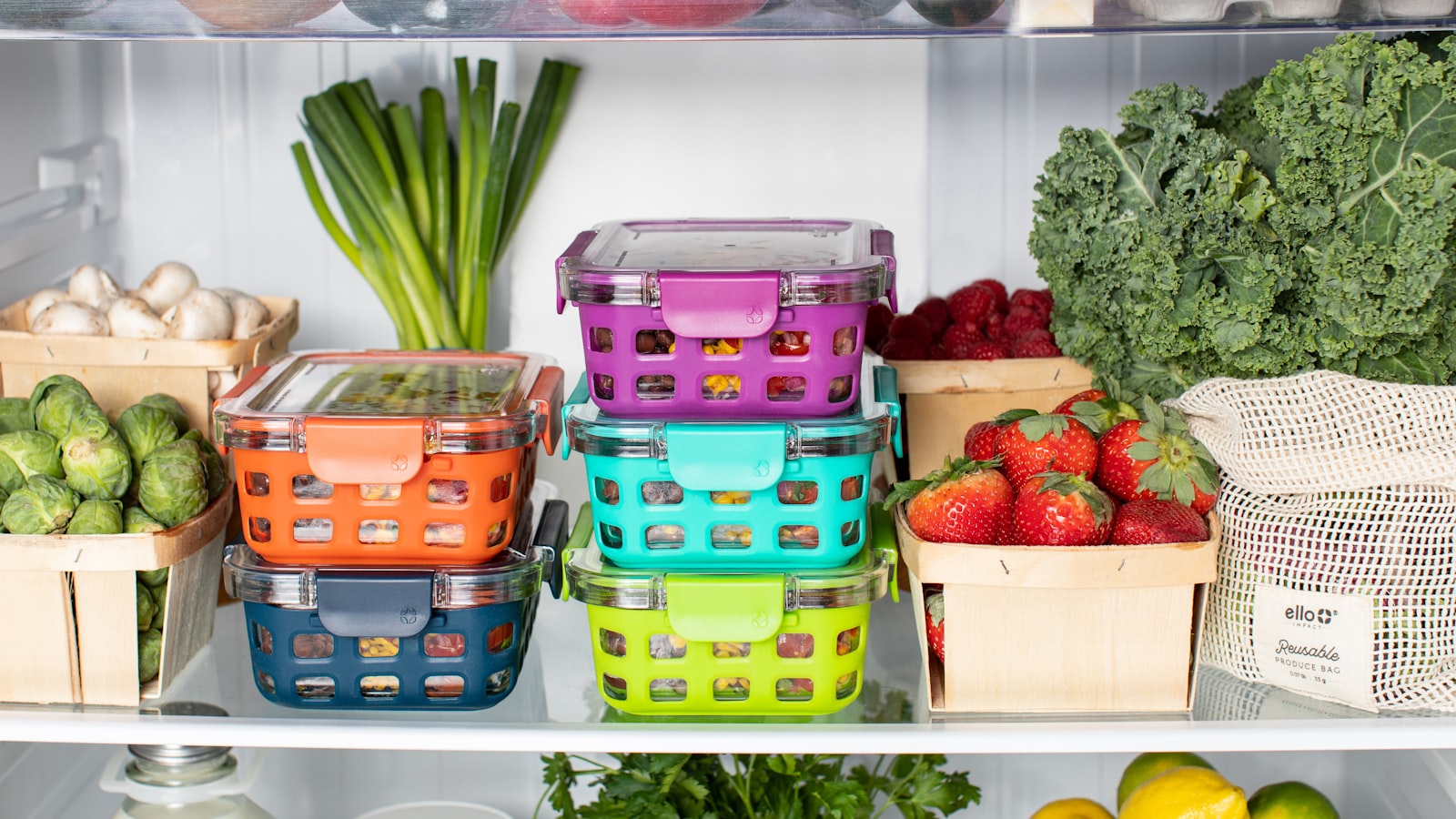
Open your fridge and count how many things you cannot identify, cannot reach, or forgot you bought. In most homes the fridge is the hardest-working appliance — running 24 hours a day in a kitchen that sits at 30°C — yet it gets less thought than the sofa cushions. A little organisation and some basic upkeep does three things at once: your food lasts longer, you throw away less, and the fridge itself draws less power and lives longer. Here is how to sort out both sides.
Know your fridge’s temperature zones
A fridge is not one uniform cold box. Cold air sinks, the door warms every time it opens, and different shelves can differ by a couple of degrees. Organising by zone is the core of fridge organisation:
- Bottom shelf (coldest): raw meat, poultry and seafood — always in sealed containers or on a tray so drips cannot contaminate anything below. This placement is basic food safety, not just tidiness.
- Middle shelves: dairy, eggs, cooked food and leftovers. Stable, cold, and at eye level so leftovers actually get eaten.
- Top shelf: drinks, ready-to-eat items, and anything already sealed.
- Crisper drawers: vegetables and fruit — ideally separated, since many fruits release ethylene gas that wilts leafy greens faster.
- Door shelves (warmest): condiments, sauces, jam, canned drinks. Not milk — the temperature swings in the door shorten its life noticeably.
Set the right temperature for a hot climate
Aim for roughly 3–4°C in the fridge and -18°C in the freezer. In Singapore’s ambient heat, a fridge set too warm drifts into the danger zone every time the door opens, while one set needlessly cold wastes electricity around the clock. Most fridge dials are vague, so a cheap fridge thermometer left on a middle shelf tells you what is actually happening.
Two habits matter more here than in temperate countries: cool cooked food briefly before refrigerating (a big pot of hot soup raises the temperature of everything around it), and keep door openings short — every long browse lets in a wall of warm, humid air the compressor then has to fight. Placement helps too: a fridge squeezed beside the hob or in direct afternoon sun works measurably harder than one against a cool wall. Since the fridge is one of the biggest always-on loads in the home, these habits feed directly into your power bill; see our guide on cutting your electricity bill in Singapore for the wider picture.
Organise for airflow, not just aesthetics
The container-matching, label-everything fridge you see online looks great, but the physics matter more than the look. A fridge cools by circulating cold air, so:
- Do not pack it solid. Around three-quarters full is the sweet spot — enough thermal mass to hold temperature, enough gaps for air to move. Blocked air vents (usually at the back) create warm pockets where food spoils early.
- The freezer is the opposite: a fuller freezer holds cold better and runs more efficiently.
- Use clear, stackable containers so nothing disappears at the back. Square containers waste less space than round ones.
- First in, first out. When you unpack groceries, move older items to the front. Most food waste is simply food that got buried.
- Keep a “eat me first” zone — one shelf section or a small bin for leftovers and anything expiring within a couple of days. A two-minute triage once a week saves more money than any storage gadget.
Clean the inside before it needs it
A quick interior routine prevents both smells and cross-contamination. Wipe spills immediately — in a cold, damp box they turn into stubborn films and feed mould. Once a month or so, do a rolling clean: one shelf or drawer at a time with warm water and mild dish soap, so you never face emptying the whole fridge at once. An open box of baking soda or a charcoal deodoriser keeps mixed food smells down cheaply.
Check the small drain hole at the back of the fridge compartment (below the rear panel in most models). If it blocks with crumbs or slime, meltwater pools under the crisper drawers — a very common cause of mystery puddles. Clear it gently with a cotton bud or the little tool many fridges include. While you are at it, wipe the drip channel that leads to it — a clean channel keeps meltwater flowing where it should.
The maintenance jobs that save real money
Two neglected parts quietly inflate your electricity bill and shorten the fridge’s life:
- Door gaskets. The rubber seal around the door is the barrier between your compressor and Singapore’s heat. Wipe it clean every month or two — grime stops it sealing — and test it occasionally by closing the door on a piece of paper: if the paper slides out easily at several points, the seal is leaking cold air constantly. Gaskets can often be replaced without replacing the fridge.
- Condenser coils. The coils at the back or base dump heat out of the fridge. A blanket of dust insulates them, forcing the compressor to run longer for the same cooling. Unplug the fridge and vacuum or brush them roughly twice a year. While you are back there, check the fridge has a few centimetres of clearance from the wall for ventilation.
If your freezer is not frost-free, defrost it once ice builds beyond about half a centimetre — ice is an insulator, and a frosted-up freezer works harder to do less. When shopping for your next fridge, energy efficiency matters more in a tropical kitchen than almost anywhere; our explainer on NEA energy label tick ratings shows how to read the label, and you can browse more in our appliances and electronics guides.
Signs your fridge is struggling
Catch problems early and they are often cheap fixes; ignore them and you are shopping for a new fridge. Watch for: the compressor running near-constantly, food spoiling faster than usual in one zone, heavy condensation or pooling water inside, loud clicking or buzzing, warm external side panels beyond the mild warmth that is normal, and an unexplained jump in your electricity use.
Many of these trace back to the basics above — seals, coils, drain hole, overfilling. If those are ruled out and the fridge is past its first decade, weigh repair cost against replacement: as a rough guide, a fridge lasts around ten to fifteen years, and repairs on an old, inefficient unit rarely pay off. Our guide to how long appliances last covers the repair-or-replace maths in more detail.
The bottom line
Good fridge organisation is mostly about matching food to temperature zones, leaving room for air to circulate, and keeping expiring food where you can see it. Good maintenance is a short list: right temperature, clean gaskets, dust-free coils, clear drain hole, and quick action on spills. None of it takes more than a few minutes a month, and the payoff shows up in three places — safer food, a smaller bin of waste, and a fridge that runs cheaper for years longer.
Frequently asked questions
What temperature should my fridge be in Singapore?
Around 3–4°C for the fridge compartment and -18°C for the freezer. In a hot kitchen, check with a cheap fridge thermometer rather than trusting the dial, and avoid the door shelves for milk and other sensitive items.
Why is my fridge sweating or forming condensation?
In humid air, some external condensation can be normal, but heavy sweating or pooling inside usually points to a worn door gasket, a blocked drain hole, or frequent long door openings letting moist air in.
How often should I clean the fridge coils?
Roughly twice a year — more if you have pets or a dusty kitchen. Unplug the fridge and vacuum or brush the coils at the back or base; dust forces the compressor to run longer and harder.
How long should a fridge last?
Roughly ten to fifteen years is a fair expectation for a well-maintained fridge. Signs it is on the way out include constant running, uneven cooling, loud clicking or buzzing, and steadily rising electricity use.
More in Appliances & Electronics
See all
What Size TV for Your Bedroom? A Simple Guide
What TV size for your bedroom? Our Singapore guide matches screen inches to viewing distance, factoring in 4K, HDB bedroom sizes, wall…

Washing Machine Capacity: What kg Size Do You Need?
Confused by washing machine capacity? Our guide maps kg drum size to household size in Singapore, so you buy the right washer…

Standing Fan Not Working? How to Fix It (2026)
Standing fan not working — dead, spinning slowly, humming or not oscillating? Unplug first, then work through the safe DIY checks before…