
The HDB Resale Levy, Explained (2026)
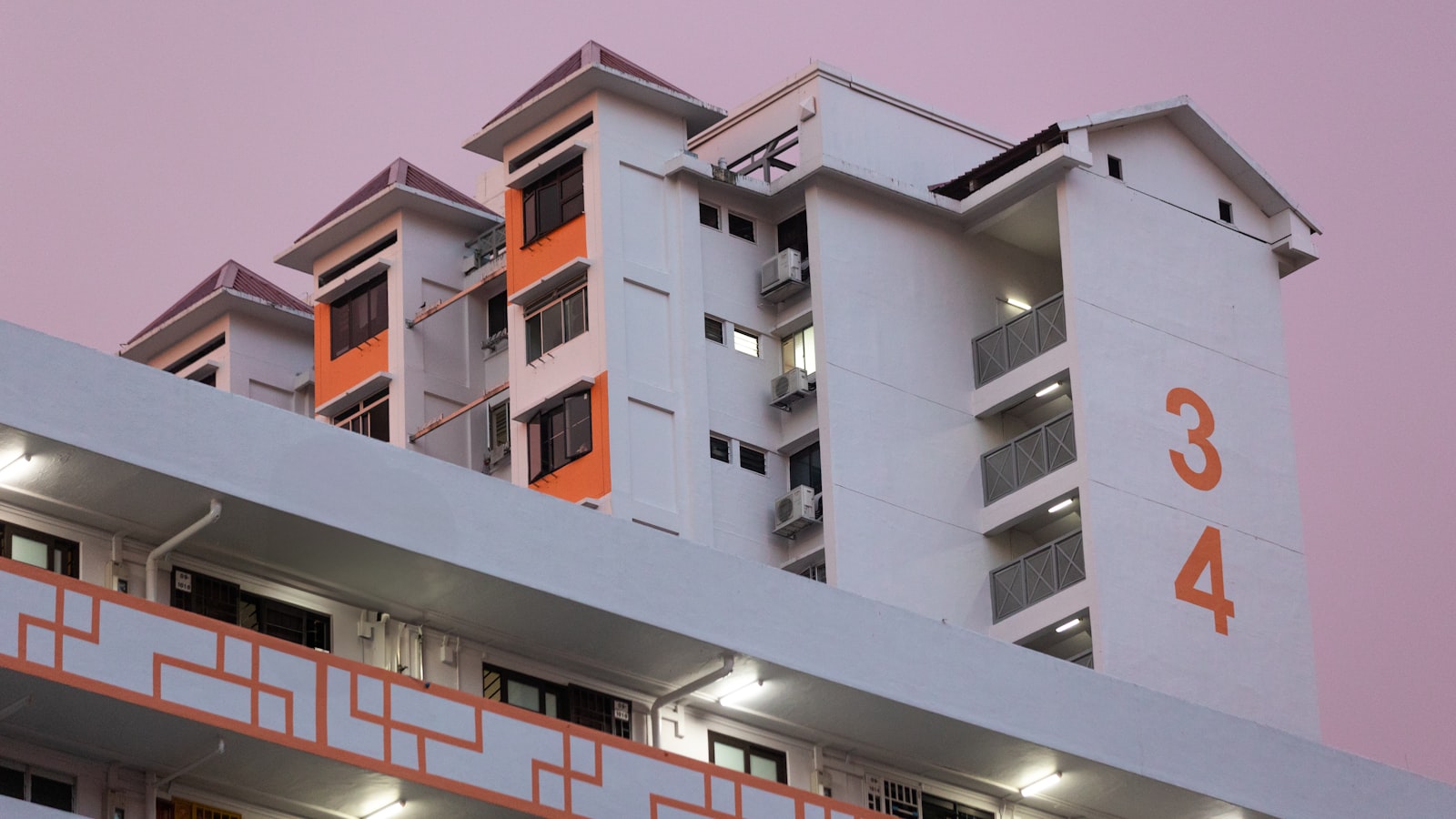
If you have owned a subsidised HDB flat and are thinking about your next home, there is a rule that can quietly reshape your budget: the resale levy. It is not a tax, and it is not a penalty, but it is real money, and many second-time buyers only discover it when they are deep into planning their upgrade. Here is a clear explanation of what the resale levy is, why it exists, and when it applies, so you can plan around it rather than be surprised by it.
What the resale levy is
The resale levy is a payment owed by certain second-time buyers who previously enjoyed a housing subsidy. In plain terms, if you bought a subsidised flat, benefited from that subsidy, sold it, and then go on to buy a second subsidised flat, HDB asks you to pay a levy. The purpose is to make sure the public housing subsidy, which is funded by the state, is not enjoyed twice by the same household at the expense of first-timers waiting for their turn.
It is best thought of as a clawback rather than a fine. The first flat came with a subsidy; when you take a second subsidised bite, the levy recovers part of that first subsidy so the benefit is fairer across households.
Why the resale levy exists
Public housing subsidies are a finite resource, and demand for new flats is high. Without a mechanism like the resale levy, households could repeatedly buy subsidised flats, sell them and buy again, capturing the subsidy each time while genuine first-timers wait. The levy exists to keep that in check and to tilt the limited pool of subsidised flats towards those who have not yet enjoyed the benefit.
This is why the levy is tied to enjoying a subsidy, not simply to buying and selling. If your household has already benefited once, the second round comes with the levy attached, reflecting the fact that you are drawing on public support a second time.
When the resale levy applies
The levy typically comes into play when you have sold a subsidised flat and you are buying a second subsidised flat, or when you are buying a new Executive Condominium from a developer. In these situations you are taking a fresh subsidy, so the levy applies. If you are considering the EC route, our Executive Condominium guide is worth reading alongside this, because the levy is one of the costs that can catch upgraders out.
By contrast, buying a resale flat on the open market without taking a housing grant generally does not draw a subsidy in the same way, so the levy usually does not apply there. Because the boundaries can be nuanced and depend on your exact history, always confirm your specific situation with HDB rather than assuming.
How the amount is worked out
The levy is not a percentage of your new flat’s price. Instead, it usually depends on the type of your first flat and, in some cases, when you took it. Larger first flats generally carry a larger levy than smaller ones, reflecting the bigger subsidy that came with them. In many cases it is set as a fixed amount tied to your first flat type.
We are deliberately not quoting the levy amounts here, because they are set by HDB and can be reviewed over time. What matters for your planning is the principle: the bigger the subsidy you enjoyed the first time, the bigger the levy tends to be the second time. Check the current figures for your first flat type directly with HDB so you are budgeting from real numbers.
When and how it is paid
The resale levy generally becomes payable when you take up your second subsidised flat. Rather than being an out-of-pocket surprise at the very end, it is factored into the transaction, and HDB will make clear how and when it is collected as part of your second purchase. The key point for buyers is that it is an additional cost sitting on top of the flat price, the stamp duties and your other buying costs.
Because it lands at the point of your upgrade, it interacts with the rest of your financing. If you are stretching your budget on a second flat, the levy needs a line in your sums, not a footnote. It sits alongside costs like stamp duty, which our guide to stamp duty on property explains in more detail.
How it affects your upgrade plans
For many households, the resale levy comes up when they think about moving from their first flat to something bigger or newer, whether that is a second HDB flat or an EC on the way to private property. The levy does not make upgrading a bad idea, but it does change the maths, so it belongs in your planning from the start rather than the end.
If you are mapping out a move from public to private housing, it is worth reading our guide on upgrading from HDB to a condo, which sets the levy in the context of the wider costs of trading up. Understanding the full picture early helps you decide whether a subsidised second flat, an EC, or an open-market resale purchase makes the most sense for you.
Ways households approach the levy
Because the levy is a known cost tied to taking a second subsidy, households tend to approach it in one of a few ways. Some accept it as the price of a better second home and simply budget for it, treating it as part of the cost of upgrading through the subsidised route. Others decide the levy tips them towards buying a resale flat on the open market without a grant, sidestepping the levy at the cost of forgoing a fresh subsidy.
Which path makes sense depends on the numbers in your specific case: the size of the levy tied to your first flat, the price and type of the second home you want, and whether an EC or a resale flat better fits your family. There is no single right answer, and the levy is only one factor among several. The important thing is to put it on the table early, so your decision reflects the true cost of each route rather than a pleasant-looking headline price.
Common misunderstandings
A few myths are worth clearing up. First, the resale levy is not the same as stamp duty; they are separate costs that can both apply. Second, it is not charged every time you move house; it is specifically about enjoying a housing subsidy a second time. Third, it is not calculated off your new flat’s value; it is generally tied to your first flat. Getting these distinctions right stops you from either overestimating or ignoring the cost.
Finally, the levy is separate from the subsidy limits on how many times you can buy a subsidised flat. Those limits cap how often you can benefit; the levy is what you pay when you take that second benefit. Both rules can be in play at once for an upgrader.
The bottom line
The HDB resale levy is a clawback paid by second-time buyers who already enjoyed a housing subsidy, designed so that public support is not captured twice while first-timers wait. It typically depends on your first flat type and when you took it, applies when you buy a second subsidised flat or a new EC, and sits on top of your other buying costs. The amounts are set by HDB and reviewed over time, so confirm the current figure for your first flat type before you plan a second purchase. If you would like help working the levy into your upgrade budget and finding the right next home, get matched with a licensed agent below.
Frequently asked questions
What is the HDB resale levy?
It is a payment owed by second-time buyers who previously enjoyed a housing subsidy, such as selling a subsidised flat and buying a second subsidised flat or a new EC. It recovers part of the first subsidy.
Who has to pay the resale levy?
Households that already enjoyed a housing subsidy on their first flat and are buying a second subsidised flat or a new Executive Condominium generally have to pay it.
How much is the resale levy?
The amount usually depends on your first flat type and when you took it, and may be a fixed sum. HDB sets the current figures, so check them before you plan a second purchase.
Do I pay a resale levy if I buy a resale flat on the open market?
Buying an unsubsidised resale flat without taking a housing grant generally does not trigger the levy. It is tied to enjoying a housing subsidy a second time, so confirm your situation with HDB.
Speak to a property agent
Looking to rent or buy? We’ll connect you with a licensed agent for your area and budget.
More in Property & Rentals
See all
HDB Buying Jargon: A Glossary for First-Timers (2026)
Confused by HDB jargon? This plain-English glossary explains BTO, MOP, OTP, HFE, COV, EIP, CPF grants and more so first-time flat buyers…

Suburban vs City HDB Living: Which Suits You? (2026)
Suburban vs city HDB living in Singapore: compare price, space, commute, MRT access, amenities and BTO supply so you can pick the…
HDB Eligibility Schemes and the Family Nucleus (2026)
Understand HDB eligibility schemes and the family nucleus rule: the Public, Fiance/Fiancee, Single and Joint Singles routes to buying an HDB flat.