
Is a Mattress Topper Worth It? (2026)
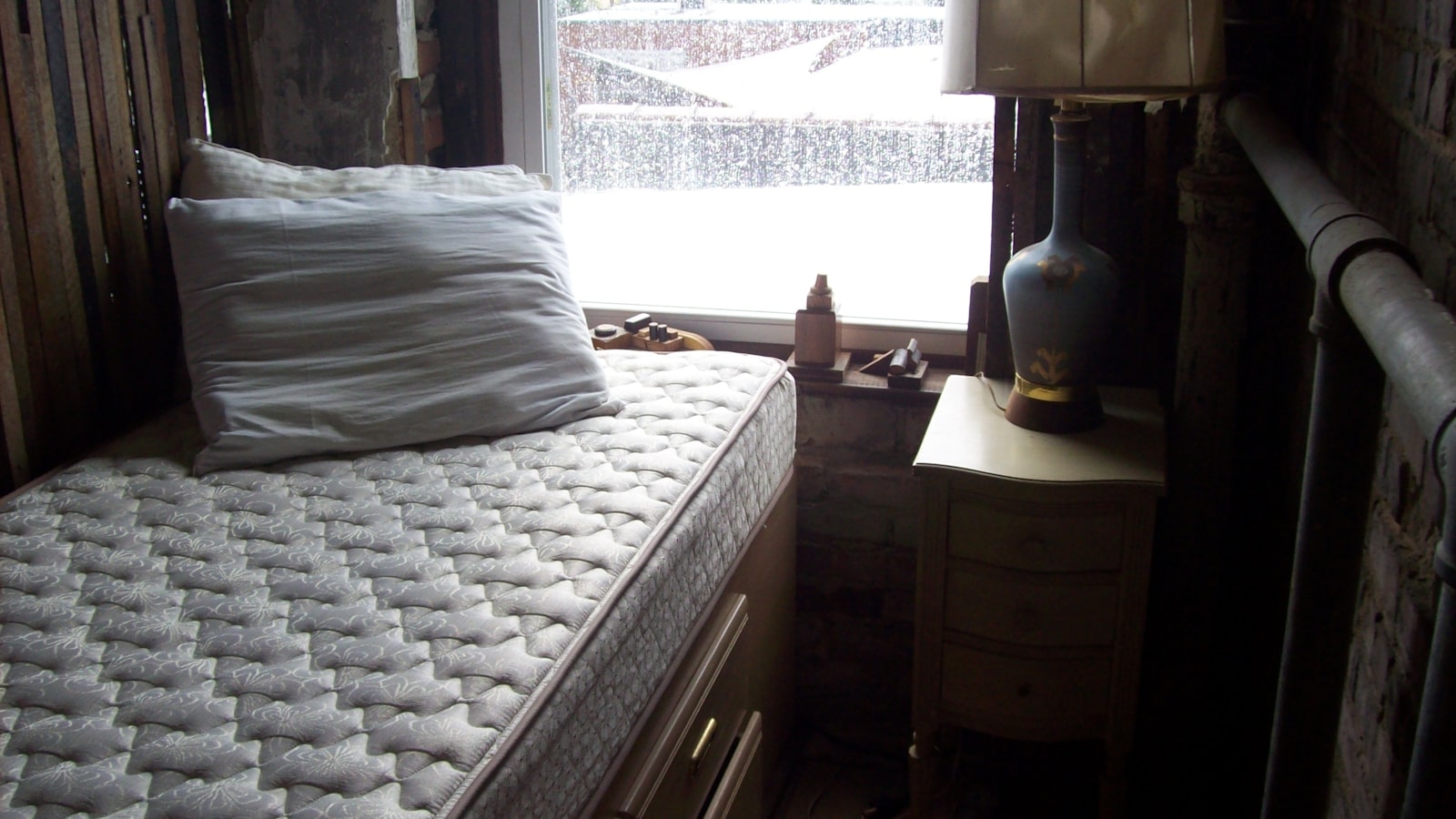
You wake up with a stiff back, the bed feels like a plank, and a new mattress costs more than you want to spend this year. That is exactly the situation a mattress topper is sold for — a few centimetres of foam or latex that promises to transform your existing bed for a fraction of the price. Sometimes it genuinely does. Sometimes it is money thrown at a problem a topper cannot fix. Here is how to tell which situation you are in before you buy.
What a topper actually does
A mattress topper is a separate layer, usually 3 to 8 cm thick, that sits on top of your mattress under the fitted sheet. It changes the surface feel of the bed: how soft or firm it feels in the first few centimetres, how much pressure relief your shoulders and hips get, and to some extent how hot the bed sleeps.
What it does not change is the support underneath. Support comes from the mattress core — the springs or the dense base foam that keeps your spine roughly level. A topper follows the shape of whatever is beneath it. If the mattress underneath is supportive but too firm, a topper works beautifully. If the mattress has structurally failed, the topper simply sinks into the same hollow.
When a topper is genuinely worth it
There are a handful of situations where a topper is one of the best-value purchases you can make for your sleep:
- Your mattress is too firm but otherwise fine. This is the classic case. Many mattresses sold in Singapore lean firm, and a plush topper adds the pressure relief that side sleepers in particular need.
- You are renting a furnished place. Landlord-supplied mattresses are often cheap, old or simply not to your taste, and you cannot justify buying a mattress you will leave behind. A topper travels with you to the next flat.
- You need a stopgap. Waiting for a BTO, planning to move within a year, or saving up for a proper mattress — a topper buys you a year or two of decent sleep.
- You want to protect a new mattress. A topper takes the daily wear, and replacing it later is far cheaper than replacing the mattress.
- Guest beds and sofa beds. A thin topper makes an occasional-use bed acceptable without spending real mattress money.
If you are furnishing a rental on a tight budget, a modest mattress plus a good topper is a legitimate strategy — our guide to choosing a mattress for a rental in Singapore covers when that trade-off makes sense.
When a topper is money wasted
Be honest about the state of your current mattress before spending anything. A topper will not help if:
- The mattress sags or has a visible body-shaped dip. The topper will conform to the dip and you will still sleep in a hollow, just a softer one.
- Springs poke through or the surface is lumpy. Thin toppers transmit lumps; thick ones mask them for a few months at most.
- The mattress is past its lifespan. Most mattresses are done after roughly seven to ten years of nightly use. Layering foam on top of a dead mattress delays the inevitable and often makes back pain worse.
- Your problem is the bed frame or slats. Broken or widely spaced slats cause sagging that no topper can correct.
In these cases, put the topper budget towards a replacement instead. Before you shop, make sure you are buying the right dimensions — our guide to mattress sizes in Singapore explains local size naming, which differs from US and European labels.
Topper materials in a humid climate
Singapore’s heat and humidity should shape your choice more than any marketing claim. Dense traditional memory foam gives excellent pressure relief but traps heat, and many people find it uncomfortably warm without air-conditioning running all night. If you like the memory-foam feel, look for open-cell or gel-infused versions, which sleep noticeably cooler.
Latex is a strong pick for the tropics: it is naturally more breathable, springs back quickly, resists dust mites reasonably well and tends to outlast synthetic foams. It is heavier and costs more, but is usually the better long-term buy here.
Polyester or microfibre toppers (the quilted, pillow-like kind) are cheap and add a plush surface, but they flatten quickly and add little pressure relief. Down and feather toppers feel luxurious but hold moisture in humid air and need frequent fluffing — generally a poor match for Singapore unless the room is air-conditioned most of the time.
What toppers cost in 2026
As a rough guide only — verify current prices before buying — a basic queen-size microfibre topper starts under a hundred dollars, decent foam and gel-foam toppers commonly sit in the low-to-mid hundreds, and quality latex toppers can run from the mid hundreds upwards. Compare that with a mid-range queen mattress, which typically costs four figures, and the appeal is obvious: a topper is usually 10 to 30 per cent of the cost of the mattress it upgrades.
Watch the total, though. If you find yourself considering a premium thick latex topper approaching the price of an entry-level mattress, and your existing mattress is already old, the maths tips towards replacing the mattress. For more on kitting out a home without overspending, see our guide to furnishing a rental on a budget and the rest of our furniture and homeware guides.
Choosing thickness and firmness
Thickness determines how much the topper changes the feel of the bed. Around 3 to 5 cm is enough for most people who want to soften a firm mattress without losing its support. Go towards 5 to 8 cm if you sleep on your side, are heavier built, or the mattress underneath is very hard.
Match firmness to your sleeping position: side sleepers generally want a softer topper so shoulders and hips can sink in; back and stomach sleepers should stay medium to medium-firm to keep the spine level. Two practical checks before you order: measure your mattress rather than trusting the size label, and confirm your fitted sheets are deep enough to wrap the mattress plus topper — a thick topper can add enough height that standard sheets no longer tuck in.
Making a topper last in Singapore
Humidity is the main enemy. Use a washable protector or cover over the topper, air it near a window or under a fan every few weeks, and let it dry fully if it ever gets damp. Rotate it head-to-foot every couple of months so wear spreads evenly. Foam and latex should never be washed in a machine or soaked — spot-clean with a barely damp cloth and mild detergent, then dry completely away from direct sun, which degrades latex.
Expect roughly two to five years of life depending on material and nightly use. When the topper stops springing back, develops a permanent body impression or starts to smell musty despite airing, it is done.
The bottom line
A mattress topper is worth it when your mattress is fundamentally sound but too firm, slightly tired, or simply not yours to replace — renters, guest rooms and stopgap situations are where toppers shine. It is not worth it when the mattress underneath is sagging or dead; no layer of foam fixes failed support. Pick a breathable material suited to the humidity, size it correctly, budget a modest sum rather than near-mattress money, and a good topper can honestly buy you years of better sleep.
Frequently asked questions
Can a mattress topper fix a sagging mattress?
No. A topper follows the shape of whatever is under it, so it will sink into the same dip. Toppers help with surface comfort — firmness, heat, minor wear — not structural failure.
What topper material is best for Singapore's climate?
Latex and open-cell or gel-infused foams tend to sleep cooler and resist humidity better than dense traditional memory foam. Whatever you choose, a removable washable cover helps in a tropical climate.
How thick should a mattress topper be?
Around 3 to 5 cm suits most people who just want to soften a firm mattress. Go towards 5 to 8 cm if you are a side sleeper or heavier, but check your fitted sheets will still fit.
How long does a mattress topper last?
Roughly two to five years with regular airing and a protector, depending on material and use. Latex generally outlasts cheap polyfoam. Replace it once it stops springing back or develops permanent body impressions.
More in Furniture & Homeware
See all
Storage Ottomans & Benches: A Buying Guide
A storage ottoman or bench adds hidden storage and seating in small SG flats. Our buying guide covers types, sizes, materials, lids…

How to Measure for Curtains (2026)
How to measure curtains for Singapore homes: rod and track width, drop options, fullness ratio and day-and-night layering, all in cm and…

How to Measure a Room for Furniture (2026)
Learn how to measure a room for furniture step by step: length, width, doorways, delivery access, power points and walkways, plus a…