
How to Furnish a Rental in Singapore on a Budget
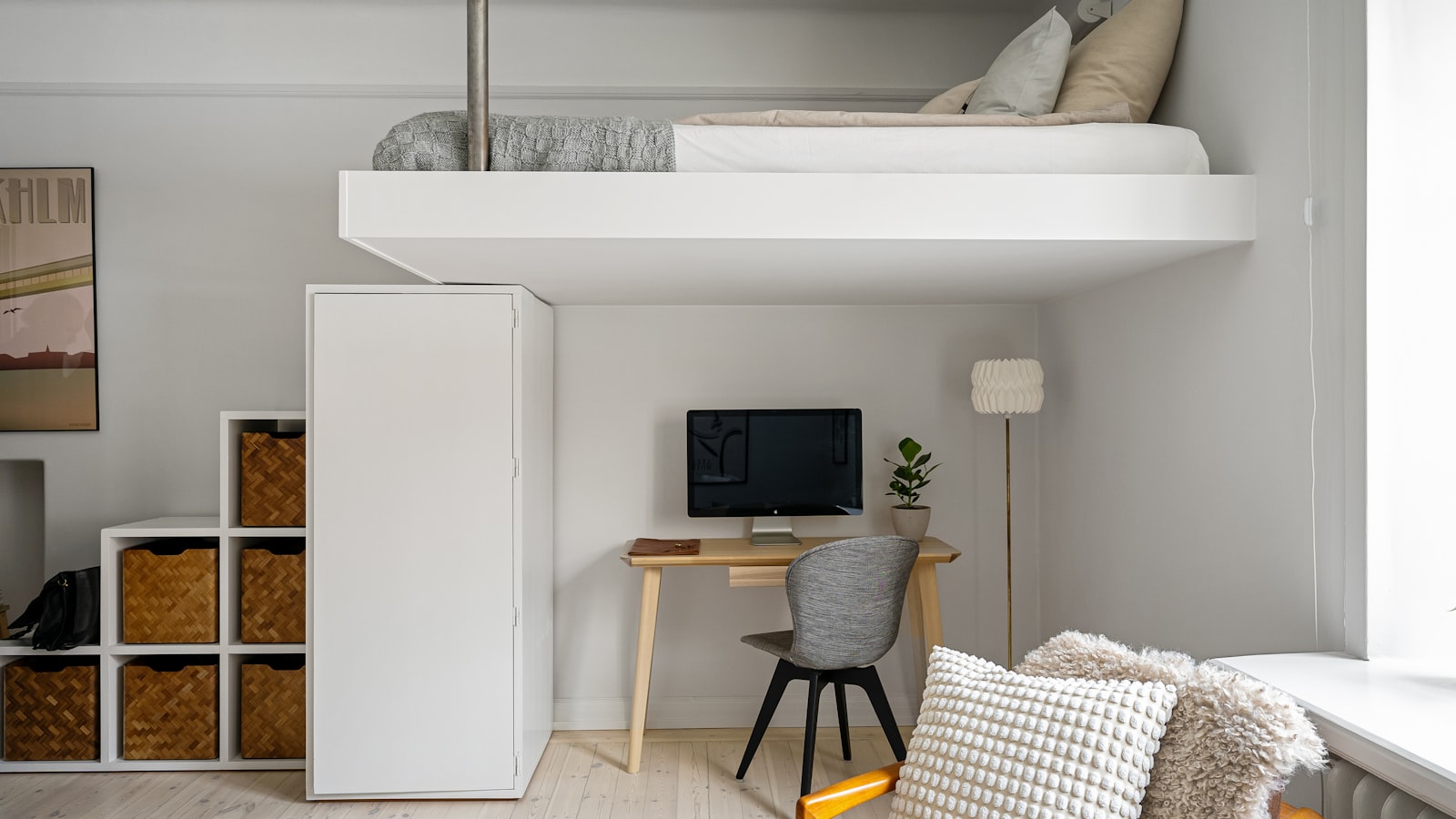
Furnishing a rental doesn’t need to cost a fortune — especially if you’re only staying a year or two and don’t want to lug a houseful of furniture to your next place. With a bit of planning and a mix of new and second-hand, you can kit out a home comfortably for a fraction of what an all-new setup costs. Here’s how to spend smart.
Plan before you buy
Start with a list of what the home actually needs: a bed and mattress, seating, storage for clothes, a dining or work surface, lighting, and the small stuff (curtains, a fan, kitchen basics). You don’t need all of it on day one, but planning the full list stops you from over-buying cheap items you’ll replace in months. Prioritise the things you use most, and add the rest as good deals appear.
Spend where it counts
Put the budget into what affects your daily comfort: a good mattress, comfortable seating, and enough storage. Everything else — side tables, shelving, décor — can be cheap, second-hand, or added later. A great mattress and a comfortable sofa do more for how a home feels than any amount of decorative spending.
New vs used vs rent
- Buy new: the mattress (hygiene and support), and anything you plan to keep long-term.
- Buy used: solid-wood tables and storage, sofas in good condition, and appliances the unit doesn’t include. See where to buy affordable furniture and our IKEA vs used cost comparison.
- Rent-to-own or furniture rental: handy for very short leases, but do the maths — it often costs more over time than buying used.
Measure first, always
Before buying anything big, measure the room, the doorway, and — crucially — your lift and corridor. A sofa that won’t fit the lift is an expensive mistake on delivery day. Bed-in-a-box mattresses sidestep this because they arrive compressed, but rigid furniture needs checking. Ten minutes with a tape measure saves a lot of grief. Our guide to mattress sizes covers picking a size that fits both you and the room.
Where to shop, and when
For new furniture, IKEA and local budget-to-mid stores cover most needs, and the Great Singapore Sale and year-end clearances are the times to buy larger items like sofas. For second-hand, Carousell and Facebook Marketplace are the big pools — great for solid-wood pieces and moving-out giveaways, where people leaving Singapore sell everything cheap. Buy safely using our Carousell safety guide, and check what’s worth buying used before you commit.
A rough budget
Furnishing a small flat from scratch typically runs from about S$1,500 (budget plus second-hand) to S$5,000+ (mostly new mid-range). Second-hand can halve the cost of the big items. Our detailed cost breakdown for a 3-room flat shows how the totals differ by route.
Room-by-room priorities
Allocate your budget by room: in the bedroom, spend on the mattress and save on the frame; in the living room, a decent sofa is worth it while side tables can be cheap; in the dining area, a solid-wood table bought used lasts for years; and in storage, functional flat-pack is hard to beat on value. Concentrate money where comfort and daily use are highest, and economise everywhere else.
Patience pays
The biggest money-saver is time. If you furnish gradually rather than all at once, you can wait for the right used piece, catch seasonal sales, and avoid panic-buying. Set alerts on the second-hand platforms for specific items, and watch expat and moving-out groups. A little patience routinely halves a furnishing bill — and leaves you with better pieces than a rushed, all-cheap setup.
Setting up the rest of your home
Furniture is only part of moving in. You’ll also need to sort utilities and Wi-Fi, and if you’re bringing existing furniture, plan the move with our mover cost guide. Furnish smart, measure twice, and lean on the second-hand market for the big-ticket items, and you’ll have a comfortable home without the big bill.
Essentials first, extras later
Resist the urge to buy everything at once. Start with the genuine essentials — somewhere to sleep, somewhere to sit, somewhere to store clothes, and basic lighting — and live in the space for a couple of weeks before buying the rest. You’ll quickly learn how you actually use each room, which stops you buying a dining set you never use or storage in the wrong place. This staged approach also spreads the cost and gives you time to hunt for second-hand bargains rather than panic-buying new.
Small things that make a big difference
Beyond the big furniture, a handful of inexpensive items disproportionately improve how a home feels: good curtains or blinds (for sleep and privacy), decent lighting (a couple of warm lamps beat a single harsh ceiling light), a fan, and enough storage to keep clutter down. None cost much, especially second-hand or from IKEA, but together they turn a bare unit into a comfortable home. Prioritise these over decorative extras when the budget is tight.
What to do at the end of the lease
Furnishing a rental smartly also means thinking about the exit. Buy pieces you can either take with you, sell easily, or don’t mind parting with — solid, neutral items hold their value on the second-hand market, while very cheap flat-pack often isn’t worth moving. When you leave, you can sell furniture on Carousell or Facebook Marketplace, give it away, or use the free town council bulky disposal. Planning the exit from the start means your furnishing spend isn’t money you simply throw away when you move on.
A realistic starter shopping list
If you want a concrete starting point, here’s a sensible first-buy list for a small flat, in priority order: a bed frame and a new mattress; a sofa or comfortable seating; a wardrobe or clothes storage; a small dining or work table with a couple of chairs; curtains or blinds; and basic lighting and a fan. Get these in place and the home is genuinely liveable; everything else — extra shelving, décor, nice-to-haves — can follow as budget allows and as good second-hand deals appear. Buy the mattress new, hunt the durable items used, and fill the gaps with affordable flat-pack. Keep a running note of what you still need so you can pounce when the right bargain shows up, rather than buying in a rush. Approached this way, a comfortable, well-furnished home is very achievable on a modest budget — and you won’t be left moving a pile of flimsy furniture you regret at the end of the lease.
Frequently asked questions
How much does it cost to furnish a rental?
For a 3-room flat, roughly S$1,500–S$3,000 going budget/second-hand, or S$4,000–S$6,000+ buying mostly new mid-range.
Is second-hand furniture worth it?
Yes for solid-wood pieces, storage and short leases. Buy mattresses new for hygiene, and check large items for bedbugs and structural wear.
Where do I start?
Prioritise a bed and mattress, seating, and storage. Add décor and nice-to-haves later once you know how you use the space.
More in Furniture & Homeware
See all
Storage Ottomans & Benches: A Buying Guide
A storage ottoman or bench adds hidden storage and seating in small SG flats. Our buying guide covers types, sizes, materials, lids…

How to Measure for Curtains (2026)
How to measure curtains for Singapore homes: rod and track width, drop options, fullness ratio and day-and-night layering, all in cm and…

How to Measure a Room for Furniture (2026)
Learn how to measure a room for furniture step by step: length, width, doorways, delivery access, power points and walkways, plus a…