
Condo or HDB: Which Should You Buy? (2026)
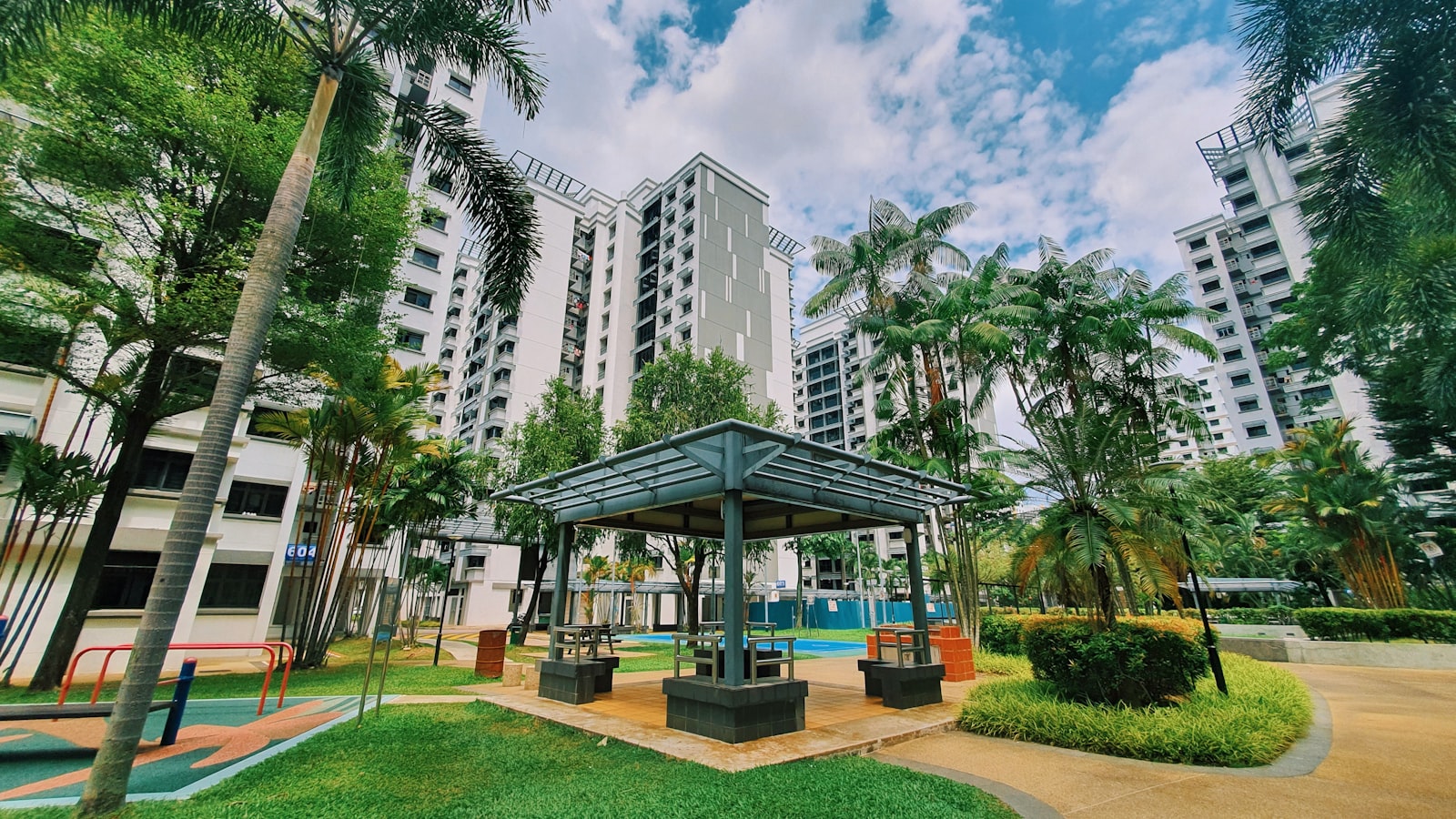
At some point most Singaporean buyers ask the big question: settle for an HDB flat, or stretch for a private condo? It’s rarely just about prestige. The two are wired differently on price, financing, stamp duty, running costs and the rules you live under afterwards. This guide lays out those differences plainly so you can decide which one actually fits your money and your life.
Price and what you get for it
The gap in purchase price between an HDB flat and a comparable condo is large, and it widens the more central or new the condo is. With an HDB flat, you’re buying a home with strong public subsidy and, for eligible buyers, grants that lower the cost further. With a condo, you’re buying private property — full-facility living, more design variety, and in some cases a freehold tenure rather than a 99-year lease.
What the extra money buys is tangible: swimming pools, gyms, security, function rooms and landscaping. Whether that’s worth it depends on how much you’ll use those facilities and how much you value keeping cash for other goals.
Financing and downpayment
HDB flats can be financed with an HDB loan (which needs your HFE letter) or a bank loan, often with a smaller cash downpayment. Condos are financed with bank loans only, which require a larger downpayment with a minimum cash portion, and are subject to the loan-to-value limit and total debt servicing rules. That means a condo demands more cash up front, not just a bigger loan.
If you’re still weighing whether to buy at all versus rent for now, the running-cost comparison in our HDB vs condo rental guide is a useful reference point for the lifestyle-cost trade-off.
Stamp duty: the ABSD factor
Everyone pays Buyer’s Stamp Duty (BSD), tiered by price or value, and it’s higher in absolute terms on a pricier condo. The bigger consideration is Additional Buyer’s Stamp Duty (ABSD). A Singapore Citizen buying a first residential property generally pays no ABSD, but a second residential property attracts a significant ABSD rate — so if you’d be buying a condo while still owning an HDB flat, the cost can be substantial. PRs and foreigners face ABSD too, at different rates. Rates change, so verify the current tiers on IRAS; our explainer on ABSD and BSD walks through the structure.
Rules and flexibility
HDB flats come with eligibility schemes, income ceilings for grants, and a Minimum Occupation Period (MOP) — generally five years — before you can sell or rent out the whole flat. New Plus and Prime flats add further resale restrictions and a subsidy clawback. Condos have none of these HDB-specific rules: no MOP, no eligibility scheme, and freer subletting and resale (subject to any Seller’s Stamp Duty within the holding period and your loan terms).
That flexibility is a genuine advantage if you value the option to move, rent out, or upgrade without HDB’s timeline. It’s also part of what your higher price is buying.
Ongoing costs
A condo carries monthly maintenance fees for the shared facilities, and property tax and utilities tend to run higher than an equivalent HDB flat. HDB flats have conservancy charges through the town council, which are much lower. Over years of ownership, these recurring costs add up and should sit in your comparison alongside the purchase price — a cheaper flat that costs less to run compounds in your favour.
Buying sequence matters
If your long-term plan is to own both — say, keep an HDB flat and add a condo, or upgrade from HDB to private — the order and timing are critical. You generally need to fulfil your HDB flat’s MOP before buying private property, and buying a second property triggers ABSD unless you time a sale to sequence it as your only property. Some buyers sell first to avoid ABSD; others accept it. This is where a plan, and often professional advice, pays for itself. If you’re weighing new versus existing HDB stock as part of that plan, our BTO vs resale comparison helps.
Who should choose which
Lean HDB if: you want the lowest entry price, you qualify for grants, you’re comfortable with the occupation rules, and you’d rather keep cash for renovation, investments or family. It’s the sensible base for most first homes.
Lean condo if: your budget comfortably covers the higher price, downpayment and running costs, you’ll genuinely use the facilities, and you value flexibility to rent out or sell without HDB’s restrictions — and you’ve planned around any ABSD.
Space, location and lifestyle
Beyond the spreadsheet, the two feel different to live in. HDB flats sit at the heart of mature towns, close to hawker centres, wet markets, schools and MRT stations, with a strong sense of neighbourhood. Condos often trade some of that community feel for privacy, security and on-site facilities, and layouts can be more varied — though a comparable HDB flat frequently offers more usable floor area for the money.
Think honestly about how you live. If you’d use a pool and gym weekly, value a guarded lobby, or want a newer, more private environment, a condo earns its premium. If you’d rather be steps from a hawker centre and keep your cash working elsewhere, an HDB flat is hard to beat on value.
Resale value and exit flexibility
Both can appreciate, and both can stall — location, condition and market timing usually matter more than the label. What differs is the exit. A condo can be sold or rented out with fewer restrictions once past any Seller’s Stamp Duty holding period, giving you more room to adjust if life changes. An HDB flat is bound by the MOP and, for Plus and Prime flats, resale conditions and a subsidy clawback that narrow your pool of buyers and trim your proceeds. If flexibility to pivot is important to you, weight that in the condo’s favour.
The bottom line
Condo vs HDB isn’t a status contest; it’s a fit test. HDB wins on affordability, grants and lower running costs. A condo wins on facilities, tenure options and flexibility, at a meaningfully higher total cost and, potentially, a heavy ABSD bill if it’s your second property. Work out your all-in budget, model the ongoing costs, and check the current stamp duty and HDB rules with IRAS and HDB before committing. For the wider set of buying decisions, browse the Sheryna property guides.
Want a licensed agent to model the numbers for your situation and map the buying sequence? Get matched with one through the form below.
Frequently asked questions
Is a condo always more expensive than an HDB flat?
Almost always, both on purchase price and ongoing costs. Condos add monthly maintenance fees for facilities and typically higher property tax. HDB flats are cheaper to buy and run, though they come with occupation and resale rules that condos don't.
Can I own both an HDB flat and a condo?
You generally must fulfil your HDB flat's Minimum Occupation Period before buying private property, and buying a second residential property triggers Additional Buyer's Stamp Duty. Sequence and timing matter a lot, so check the current HDB and IRAS rules.
Do condos have restrictions like HDB's MOP?
Private condos don't have HDB's Minimum Occupation Period or eligibility schemes. You can rent out or sell more freely, subject to any Seller's Stamp Duty within the holding period and your loan terms. That flexibility is part of what you pay for.
Which is a better investment, condo or HDB?
There's no universal answer. Condos offer more flexibility to rent or sell and potential capital upside, but higher entry and holding costs and stamp duty. HDB is cheaper and grant-supported but rule-bound. Your budget and timeline decide more than the asset type.
Speak to a property agent
Looking to rent or buy? We’ll connect you with a licensed agent for your area and budget.
More in Property & Rentals
See all
HDB Buying Jargon: A Glossary for First-Timers (2026)
Confused by HDB jargon? This plain-English glossary explains BTO, MOP, OTP, HFE, COV, EIP, CPF grants and more so first-time flat buyers…

Suburban vs City HDB Living: Which Suits You? (2026)
Suburban vs city HDB living in Singapore: compare price, space, commute, MRT access, amenities and BTO supply so you can pick the…
HDB Eligibility Schemes and the Family Nucleus (2026)
Understand HDB eligibility schemes and the family nucleus rule: the Public, Fiance/Fiancee, Single and Joint Singles routes to buying an HDB flat.