
Where to Donate Used Items in Singapore (2026)
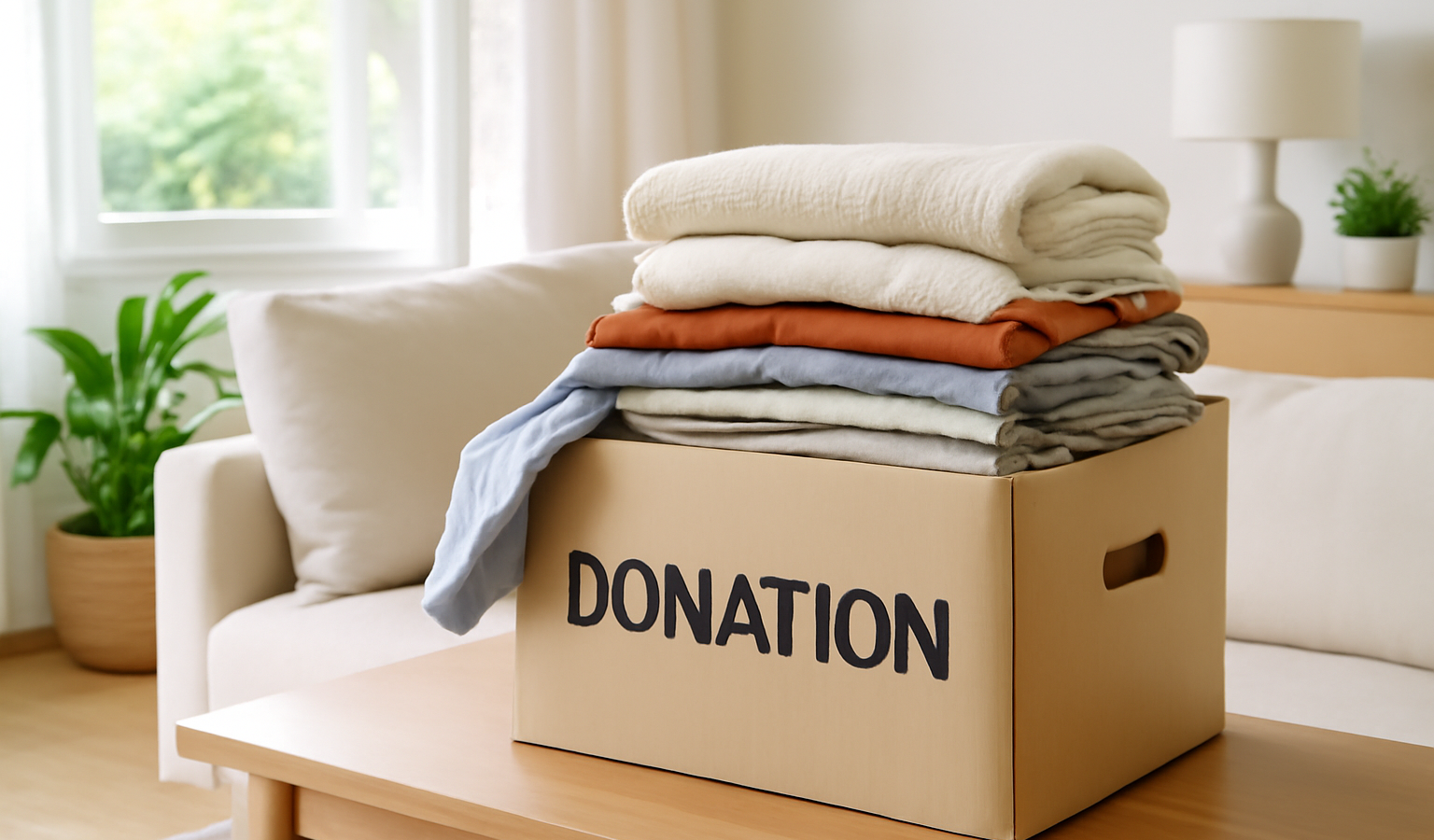
When you’re clearing out — before a move, after a declutter, or just reclaiming space — plenty of what you own is too good to bin but not worth the effort of selling. That’s exactly what donation is for. Giving usable items to someone who needs them clears your home quickly, keeps things out of the waste stream, and does some genuine good along the way. Singapore has a solid network of charities, thrift stores and community channels ready to take good-condition goods. The trick is knowing who accepts what, and being considerate about the condition of what you give.
Why donate instead of sell or bin
Not everything is worth selling. Low-value items can take longer to list, photograph and hand over than they’re worth, and a fire-sale price on something usable often isn’t worth the hassle. Donating skips all of that — you hand it over, it goes to someone who’ll use it, and your home is clearer. It’s also the responsible choice environmentally: usable goods get a second life instead of adding to Singapore’s waste.
Donation pairs naturally with a bigger clear-out. When you’re sorting belongings during a move, the “donate” pile is for things that are still good but not worth selling. Our guide on decluttering before a move gives a keep-sell-toss framework that makes those calls quickly, so you’re not agonising over every item.
Charities and thrift stores
Established charities and thrift or social-enterprise stores are the mainstay of donation in Singapore. Many run shops that resell donated goods to fund their work, and they accept a broad range of items in good condition — clothing, books, kitchenware, small household goods and sometimes furniture. Some larger organisations offer collection services for bulkier donations, which saves you transporting heavy items yourself.
Because each charity has its own focus and capacity, always check what a specific charity accepts and how they want to receive it before you turn up. A quick look at their guidelines or a call saves a wasted trip and spares volunteers the burden of turning items away.
Community and giveaway channels
Beyond formal charities, community giving is thriving. Neighbourhood and estate groups, and dedicated giveaway or “free to good home” groups, are excellent for passing items directly to people nearby who want them. This works especially well for furniture and bulky goods, where a local neighbour can collect easily and you avoid transport altogether.
These channels are fast and personal — you post what you’re giving away, someone claims it, and they collect. It’s often the quickest route for larger items that a charity might not have space for. Our comparison of Carousell versus Facebook Marketplace in Singapore touches on the community-group side, which is where much of this local giving happens.
Donating furniture and bulky items
Furniture donation is possible but more constrained, because bulky items take space and transport. Some charities and social enterprises accept usable furniture, and a few offer collection for larger pieces — but capacity is limited, so this needs arranging in advance rather than assuming. Confirm acceptance, condition standards and any collection option before you commit.
If you’re clearing furniture as part of a move, weigh donating against selling: quality pieces may be worth listing, while tired-but-usable ones are ideal donations. Our guide on selling your furniture before you move helps you split furniture into sell, donate and dispose piles so each item goes to its best destination.
Electronics and specialist donations
Working electronics and appliances can sometimes be donated, but acceptance is more selective because of safety and testing requirements — a charity has to be confident an item works and is safe. Confirm before dropping off. For e-waste that no longer works, Singapore has dedicated e-waste recycling channels under the national scheme, which is the correct route for dead electronics rather than a donation bin.
Some specialist items — books, toys, spectacles, certain medical or mobility aids — have dedicated donation drives or organisations. If you have a quantity of a specific category, it’s worth a quick search for a specialist channel, which often puts the items to better, more targeted use than a general thrift store.
The same targeting applies to seasonal and cause-specific drives. Charities and community groups periodically run appeals for particular things — winter clothing for overseas relief, school supplies, festive gifts, or goods for specific beneficiary groups. Donating into a live appeal means your items go straight to a defined need rather than sitting on a shelf, so if the timing lines up with something you’re clearing out, it’s often the most impactful way to give.
Timing your donations around a move
If you’re donating as part of a move, timing makes the difference between an orderly clear-out and a last-minute scramble. Sort your donate pile early — a few weeks out — and arrange drop-offs or collections before the chaos of packing peaks. Charities with collection services often need advance notice and may have limited slots, so booking early secures a pickup rather than leaving you stuck with bulky items on moving day.
Group your donations by destination so you’re not making a dozen separate trips: everyday goods to a nearby thrift store, bulky pieces to a charity that collects or a community group that will pick up. Slotting donation into your wider moving plan keeps it from being the task that gets dropped when time runs short — our 4-week moving checklist for Singapore shows where it fits alongside selling, packing and admin.
Donate responsibly: check condition first
The golden rule of donating is to give only what you’d be happy to receive. Items should be clean, working and in genuinely usable condition. Donating broken, stained, unsafe or heavily worn goods isn’t generous — it shifts disposal costs and effort onto volunteers who then have to throw the item away themselves. That’s the opposite of helping.
For anything too worn, damaged or unsafe to donate, arrange proper disposal instead. Bulky items that can’t be donated should go through the correct channel — our guide on disposing of bulky items in Singapore explains how to arrange collection with your town council so nothing is dumped at a donation point where it doesn’t belong.
A simple rule of thumb helps you sort the borderline cases: would you give this item to a friend without apologising for its condition? If yes, it’s a donation. If you’d feel the need to explain the stains, the wobble or the missing part, it’s probably disposal. Donation channels run on the goodwill of volunteers and the dignity of the people who receive the goods, so giving only things that are genuinely usable keeps the whole system working and ensures your castoffs actually help rather than becoming someone else’s problem to throw away.
The bottom line
Donating used items in Singapore is a fast, responsible way to clear your home while doing some good, with charities, thrift stores and community giveaway groups all ready to rehome good-condition goods. Match the item to the channel — thrift stores for everyday goods, community groups for bulky pieces, specialist drives for specific categories — and always check what’s accepted first. Give only clean, working items, and dispose of the rest properly. Done thoughtfully, it’s the easiest win in any clear-out.
Frequently asked questions
Where can I donate used items in Singapore?
Charities, thrift and social-enterprise stores, and community and giveaway groups accept used goods in good condition. Some larger charities offer collection for bulky items. Always check what each accepts before donating.
What items can I donate?
Clean clothing, books, furniture, kitchenware, toys and working household items in good condition are commonly accepted. Standards vary by charity, so confirm before dropping off, and don't donate broken or heavily soiled items.
Can I donate used furniture in Singapore?
Yes, some charities and social enterprises accept usable furniture, and a few offer collection for larger pieces. Check acceptance and any collection arrangements in advance, as capacity for bulky items is limited.
What should I do with items too worn to donate?
Items that are broken, unsafe or heavily worn should be disposed of properly rather than left at donation points, where they create work for volunteers. Arrange bulky-item disposal through your town council where needed.
More in Buying & Selling Used
See all
Spotting Water-Damaged Electronics Before You Buy (2026)
Water damaged electronics look fine until they die. How to spot liquid damage on used phones, laptops and gadgets: indicators, corrosion clues…
Preloved Wedding Dresses & Items: Buying & Selling (2026)
A preloved wedding dress can cost a fraction of retail. Where Singapore couples buy and sell gowns, decor and kua, what to…

How to Photograph Items So They Sell (2026)
Better product photos second hand buyers trust: window light, clean backgrounds, the shot list that answers every question and phone settings that…