
Buying Second-Hand Kids’ Items Safely (2026)
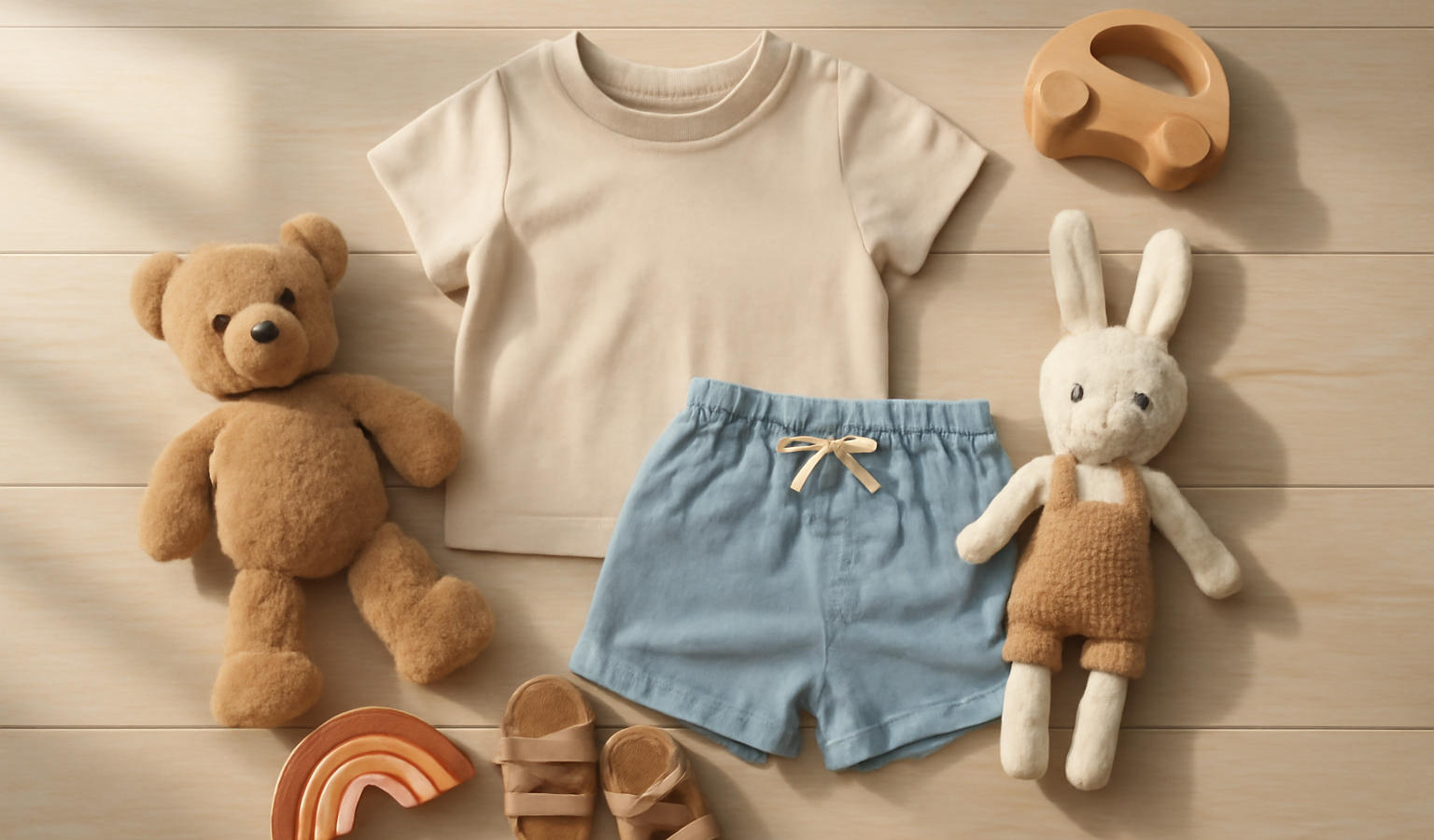
Kids outgrow things at a speed that makes retail prices feel like a bad joke — a S$300 stroller used for a year, clothes worn twice, a bouncer that entertained a baby for exactly six weeks. That’s why the second-hand market for children’s items in Singapore is so lively, and why smart parents can furnish an entire childhood at a fraction of retail. The catch: a handful of items genuinely shouldn’t be bought used, and knowing which is which matters more here than in any other category.
Why kids’ items are the best value in second-hand
Most second-hand goods are worn out by the time they’re sold. Kids’ items are the opposite — they’re outgrown, not used up. A six-month-old can’t wear out a romper, and a toddler abandons toys the moment a sibling gets something newer. That means condition is often close to new while prices sit at a steep discount to retail.
Parents also declutter in bulk. Once the youngest child outgrows a stage, everything from that stage goes at once, which is why you’ll find generous bundles and “take all” deals across Carousell, parent groups and community giveaways. If you’re new to buying used in general, our overview of what’s worth buying used in Singapore gives the wider picture — but kids’ gear is consistently near the top of the list.
What to buy used with confidence
Some categories are almost always a good deal second-hand:
- Clothes and shoes: worn a handful of times before being outgrown. Wash before wearing and they’re as good as new. Skip anything with drawstrings around the neck on young kids’ clothing.
- Books: children’s books are expensive new and nearly indestructible in board-book form. Used sets go for a fraction of retail.
- Toys: hard plastic toys, building blocks and outdoor toys clean up easily. Check for cracked plastic and loose small parts on anything for under-threes.
- Strollers and carriers: big savings on items with long usable lives — with the physical checks covered below.
- High chairs, play mats, bouncers and cots: good candidates if frames are solid and harnesses intact, though cots need a new mattress.
As a rough guide, expect to pay around 30–60% of retail for good-condition items, and much less at bulk clearances when a family is moving or done having kids.
What to avoid buying used — the non-negotiables
A short list of items where the savings don’t justify the risk:
- Car seats with unknown history: a seat that has been through an accident — even a minor one — can have invisible structural damage that stops it protecting your child in the next crash. Car seats also carry expiry dates, usually printed on a sticker or moulded into the shell, because plastic degrades. Unless it’s from family or a close friend who can vouch for its complete history and it’s well within date, buy new.
- Crib and cot mattresses: used mattresses can harbour mould, dust mites and bacteria deep inside, and a mattress that has softened or sagged is a safety concern for infants. Buy the cot used, but fit a new, firm, correctly sized mattress.
- Breast pump parts: anything that touches milk — flanges, valves, tubing, bottles — is a hygiene risk and often designated single-user by manufacturers. Some pump motors are designed for multiple users with fresh accessory kits, but the parts themselves should always be new.
- Anything with a broken harness, missing straps or damaged buckles: restraint systems are the whole point of the product. If the harness is compromised, walk away.
Check for recalls before you pay
Recalled products don’t vanish — they migrate to the second-hand market, where sellers often have no idea the item was ever recalled. Certain sleep positioners, drop-side cots and inclined sleepers have been pulled from sale in various markets over the years, yet still surface on resale platforms.
The habit to build: before buying any significant piece of baby gear, search the brand and model name plus the word “recall”. It takes two minutes. Manufacturers and consumer safety authorities publish recall notices, and if anything comes up, skip the item no matter how good the price. This is one of the classic traps we cover in our roundup of second-hand shopping mistakes.
Inspect properly at the meetup
For strollers, the test is physical: open and collapse it several times, push it around, apply the brake on a slope if you can, and check the harness clicks and releases cleanly. Wobbly wheels, frayed straps and a folding mechanism that fights you are all reasons to renegotiate or walk away.
For high chairs and cots, shake the frame — it should feel rigid, with no missing bolts. For battery toys, ask the seller to demonstrate them working, and open the battery compartment to check for corrosion. For anything fabric, sniff it: mustiness suggests mould-prone storage, which is common in Singapore’s humidity and hard to fully eliminate.
Meet in a public, well-lit spot — a mall or MRT station works — inspect before paying, and pay by cash or instant transfer on the spot. Our Carousell safety guide covers meetup and payment safety in full.
Clean everything before first use
Assume nothing is clean, even if it looks it. Clothes and soft toys go through a hot machine wash where the care label allows, then dry completely — ideally in the sun, which helps with both sanitising and smells. Hard plastic toys get a wipe with mild disinfectant solution and a thorough rinse. Stroller and high chair fabrics usually unzip for washing; wipe the frames down and clear crumbs from crevices.
In our humid climate, complete drying matters as much as washing — packing away anything slightly damp invites mould. Give bigger items a day airing out before they go into use or storage.
Where to look and how to pay less
Carousell has the deepest selection, but parent groups on social platforms, condo and neighbourhood groups, and hand-me-down chains among friends often have better prices — sometimes free. Sellers clearing out before a move are especially motivated; entire nursery setups go cheap when a shipping date looms.
Bundles are your friend: a seller offloading a whole age-stage of clothes or toys will usually take meaningfully less per item than if you cherry-pick. And timing matters — listings spike after school holidays and around the peak moving months, when families relocate. For everything else about the local resale scene, start at our buying and selling used hub.
The bottom line
Second-hand kids’ items are one of the best money-savers available to Singapore parents — clothes, books, toys and strollers routinely sell in near-new condition for a fraction of retail. The rules that keep it safe are simple: never compromise on car seats, cot mattresses or milk-contact parts; check recalls before you buy; inspect moving parts and harnesses in person; and wash everything properly before first use. Do that, and you can kit out each stage of childhood for a fraction of what the baby shops charge.
Frequently asked questions
Is it safe to buy a second-hand car seat in Singapore?
Only with real caution. A car seat that has been in an accident can have invisible structural damage, and seats also have expiry dates printed on them. Unless you're getting one from family or a close friend who can vouch for its full history, buy new.
What kids' items are best to buy used?
Clothes, books, toys, play mats, baby carriers and strollers are the sweet spot — kids outgrow them fast, so second-hand pieces are often barely used and sell at a steep discount to retail.
How do I clean second-hand baby items?
Machine-wash fabrics on a hot cycle where the care label allows, wipe hard plastic toys with a mild disinfectant solution and rinse well, and remove stroller fabric for a proper wash. Let everything dry fully before use.
How do I check if a used toy or baby product has been recalled?
Search the brand and model name together with the word 'recall' online before buying. Manufacturers and consumer safety authorities publish recall lists, and recalled items often keep circulating second-hand for years after they're pulled from shops.
More in Buying & Selling Used
See all
Spotting Water-Damaged Electronics Before You Buy (2026)
Water damaged electronics look fine until they die. How to spot liquid damage on used phones, laptops and gadgets: indicators, corrosion clues…
Preloved Wedding Dresses & Items: Buying & Selling (2026)
A preloved wedding dress can cost a fraction of retail. Where Singapore couples buy and sell gowns, decor and kua, what to…

How to Photograph Items So They Sell (2026)
Better product photos second hand buyers trust: window light, clean backgrounds, the shot list that answers every question and phone settings that…