
Sustainable & Eco-Friendly Furniture in Singapore
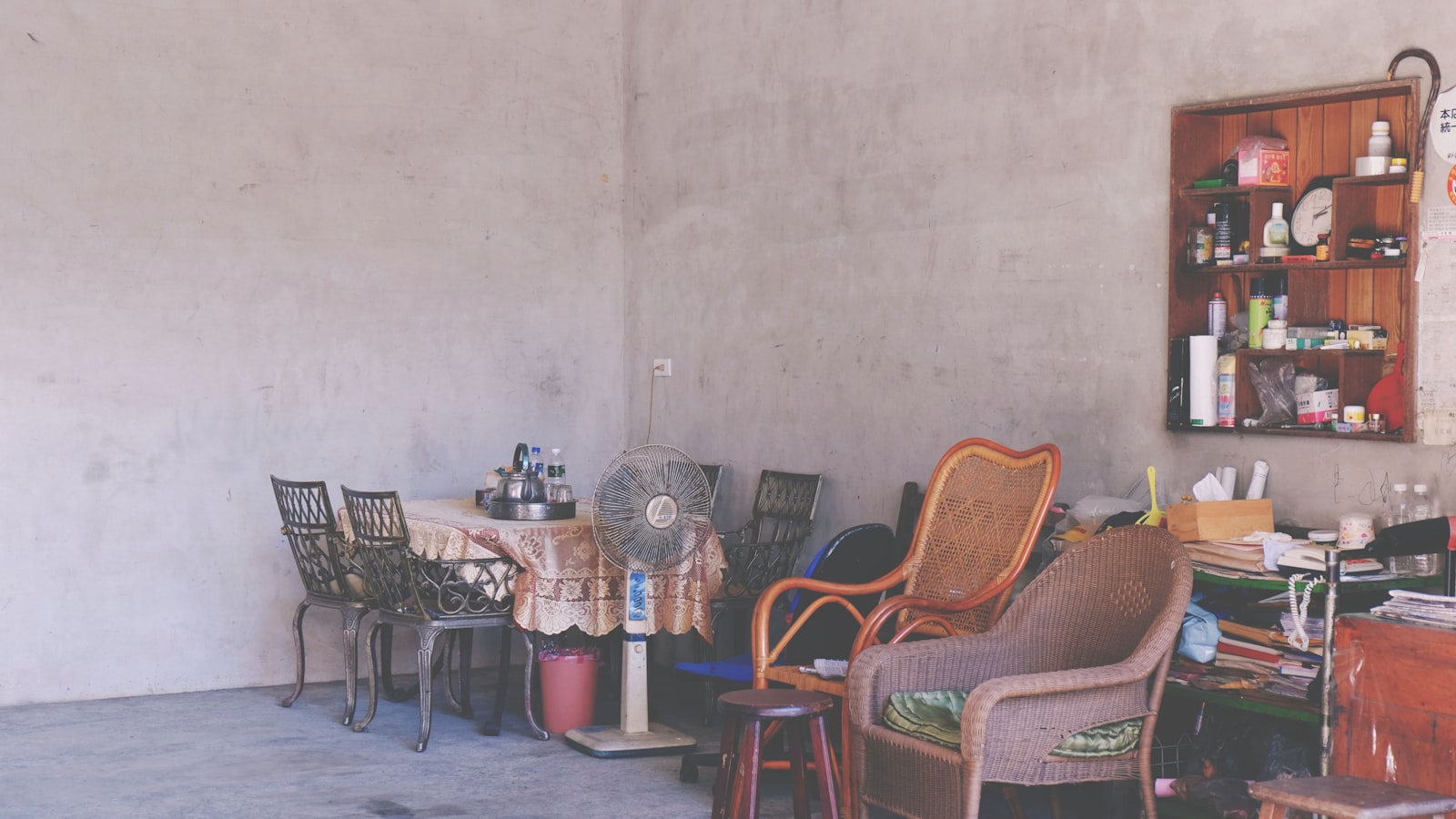
Every year a startling amount of furniture in Singapore goes straight from living room to the incinerator, much of it only a few years old. A lot of it was cheap, made from particleboard that swelled in our humidity, and never designed to be repaired. If you want pieces that look good, last long and tread lighter on the planet, the good news is that greener choices are usually the ones that also save you money over time.
What actually makes furniture sustainable?
It is tempting to treat “eco-friendly” as a material question, but sustainability is really about the whole life of a piece. A solid-wood cabinet that lasts thirty years and can be sanded and re-oiled is far greener than a “bamboo” shelf that warps in two years and gets thrown out.
Related: eco-friendly renovation ideas
When you assess a piece, think about three things: what it is made from, how it is made, and how long it will realistically survive in a Singapore flat. Honest, durable construction beats marketing language every time.
- Materials: renewable, recycled or responsibly harvested inputs.
- Finishes and glues: low-VOC options that off-gas fewer chemicals indoors.
- Longevity: can it be repaired, refinished or partly replaced instead of binned?
The materials worth looking for
Some materials carry a genuinely lighter footprint, provided they are well made. Solid wood is the classic choice, but not all wood is equal. Fast-growing and reclaimed sources are gentler than slow-growing tropical hardwoods logged from vulnerable forests.
- FSC-certified wood: timber traced to responsibly managed forests. The Forest Stewardship Council label is one of the more trustworthy signals.
- Reclaimed and recycled wood: old beams, pallets and salvaged timber given a second life, with real character and no new logging.
- Rattan and cane: a fast-regenerating climbing palm, light and well suited to our climate when kept dry.
- Bamboo: technically a grass that regrows quickly, strong and increasingly used for boards and flooring.
- Recycled metal and glass: both are endlessly recyclable and pair well with wood frames.
Watch out for pieces marketed as “solid wood” that are really a thin veneer over particleboard. Veneer is not inherently bad, but it changes how repairable and long-lasting the piece is.
Finishes, glues and indoor air
Sustainability is not only about forests; it is also about what you breathe at home. Many cheap furnishings are held together with adhesives and coated in finishes that release volatile organic compounds, or VOCs, into the air for months.
Look for water-based, low-VOC or natural oil finishes such as linseed or tung oil. These are kinder to indoor air quality and, conveniently, easy to touch up yourself when the surface gets scuffed. If a new piece has a strong chemical smell, air it out in a ventilated area before bringing it into a bedroom.
Secondhand and upcycling: the greenest route
The most sustainable piece of furniture is often the one that already exists. Singapore has an active resale culture, and a solid-wood dresser or teak dining table bought used will usually outlast anything new at the same price. Refinishing a tired surface is a weekend job, not a specialist one.
Upcycling goes a step further: repainting a cabinet, reupholstering a chair, or repurposing an old door into a desktop. Beyond the environmental win, you end up with something no one else has. If you are furnishing a place cheaply, our guide on how to furnish a rental in Singapore on a budget pairs well with a secondhand-first approach, and there is more on comparing new versus used in our look at IKEA versus used furniture costs.
Durability beats fast furniture
Fast furniture is the wardrobe equivalent of fast fashion: cheap, trend-driven and disposable. It feels like a bargain until you replace it three times in a decade. Each replacement means new materials, new packaging and another bulky item heading to waste.
Buying for durability means paying attention to the boring details. Are the joints screwed and doweled or just stapled? Are drawer runners metal or flimsy plastic? Can you tighten a wobbly leg, or is the frame glued shut? Spending a bit more on construction almost always works out cheaper per year of use.
- Prefer replaceable components: cushion covers, drawer runners, individual shelves.
- Choose classic shapes you will not tire of before the piece wears out.
- Check weight ratings and joinery, not just the showroom finish.
The Singapore humidity factor
Our climate is a genuine stress test for furniture. High humidity swells untreated particleboard, encourages mould on fabrics, and can loosen glued joints. Solid wood moves too, but it usually copes better and can be maintained. Metal frames may need a rust-resistant coating in bathrooms or balconies.
To help any material last, keep rooms ventilated, wipe down surfaces prone to condensation, and consider a dehumidifier in enclosed rooms. Our guide comparing a dehumidifier versus aircon for humidity is worth a read if mould and damp are recurring problems, since protecting your furniture is part of the payback.
Certifications to look for
Labels are not a guarantee, but reputable ones give you a shortcut past marketing spin. Treat them as supporting evidence alongside your own inspection of build quality.
- FSC: responsibly sourced wood and paper products.
- GREENGUARD: low chemical emissions, relevant for indoor air quality.
- OEKO-TEX: textiles tested for harmful substances, useful for upholstery.
Be wary of vague claims like “eco” or “natural” with nothing behind them. If a seller cannot tell you what the frame is made from or how it is finished, that lack of transparency is itself a useful signal. Genuine sustainable makers tend to be proud of their sourcing and will happily explain it. A quick set of questions at the point of sale often tells you more than any glossy label: where does the wood come from, what is the finish, and can worn parts be replaced?
Disposal and circularity
Sustainability does not end when a piece leaves your home. Plan its exit before you buy. Modular and repairable pieces can be passed on, sold or partly reused. Glued-together composites usually cannot.
When something genuinely reaches the end of its life here, try resale or donation first, then look at take-back schemes some retailers run when you buy a replacement. For bulky items, HDB town councils arrange removal, though the goal is to keep furniture in use for as long as possible before that point. Reading more of our furniture guides can help you buy the kind of pieces you will not need to dispose of any time soon.
The bottom line
Sustainable furniture in Singapore is less about chasing a green badge and more about making choices that last. Favour honest materials like FSC-certified or reclaimed wood, rattan and bamboo; check for low-VOC finishes; and prioritise repairable construction that shrugs off our humidity. Buying secondhand or upcycling is frequently the greenest and cheapest move of all. Do that consistently, and you get furniture that looks better for longer, costs less over its lifetime, and stays out of the incinerator. That is a rare case where the responsible choice and the practical choice are the same.
Frequently asked questions
Is bamboo furniture actually eco-friendly?
Bamboo grows fast and regenerates without replanting, so it has a strong renewable profile. The catch is the adhesives and finishes used to make bamboo boards, so check for low-VOC glues and durable construction rather than assuming the material alone makes it green.
Does secondhand furniture count as sustainable?
Yes, and it is often the greenest option. Reusing an existing solid piece avoids the raw materials, energy and shipping of something new. A well-built used table can last decades more with minor refinishing.
How do I dispose of old furniture responsibly in Singapore?
Try to resell, donate or give it away first through local platforms and charities. For bulky items, HDB town councils offer bulky-waste removal, and some retailers offer take-back or trade-in when you buy a replacement.
More in Furniture & Homeware
See all
Storage Ottomans & Benches: A Buying Guide
A storage ottoman or bench adds hidden storage and seating in small SG flats. Our buying guide covers types, sizes, materials, lids…

How to Measure for Curtains (2026)
How to measure curtains for Singapore homes: rod and track width, drop options, fullness ratio and day-and-night layering, all in cm and…

How to Measure a Room for Furniture (2026)
Learn how to measure a room for furniture step by step: length, width, doorways, delivery access, power points and walkways, plus a…