
HDB Flat Types Explained: 2-Room to Executive (2026)
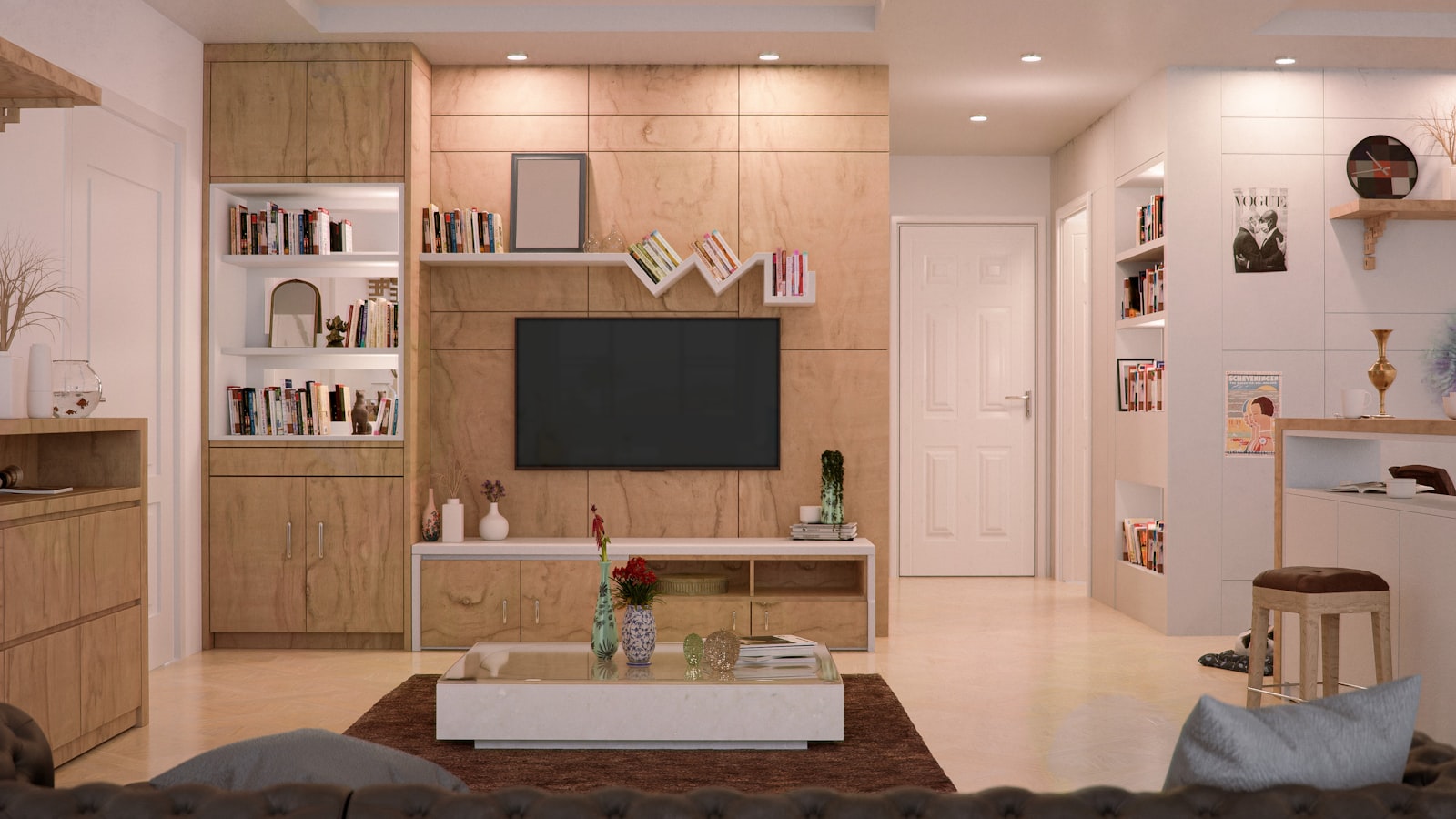
Walk into any HDB conversation — a BTO launch, a resale viewing, a family dinner — and the shorthand flies fast: “We got a four-room.” “Their maisonette is huge.” “Mum downsized to a two-room Flexi.” Behind each label sits a specific product with its own size range, layout logic and buyer profile. If you are choosing your first flat or sizing up a move, understanding the types properly will save you from filtering the wrong listings for months.
How HDB sizing actually works
First, a decoding note: HDB counts rooms inclusively. A “3-room” flat has two bedrooms plus a living room; a “4-room” has three bedrooms plus living room; and so on. Floor areas are quoted in square metres and vary meaningfully by construction era — flats built in the 1980s and 1990s are generally more generous than newer ones of the same type, sometimes by a whole room’s worth of space.
That era effect is one of the most important things this guide can teach you: two 4-room flats can differ by ten or more square metres depending on when they were built. Always check the actual floor area on the listing or floor plan, not just the type.
2-room Flexi: compact living, flexible leases
The smallest flats HDB currently builds come in two sizes, roughly 36 to 46 square metres, with one bedroom, a living area, kitchen and bathroom. They serve two very different audiences. Singles and couples on tighter budgets can buy them on standard 99-year leases in BTO launches. Seniors, meanwhile, can opt for shorter leases matched to their age under the Flexi scheme — a way to unlock value when downsizing, with conditions on resale that you should read carefully on HDB’s site before committing.
Life in a 2-room is genuinely comfortable for one or two people, especially with smart furnishing choices that keep the compact layout working hard rather than feeling cramped.
3-room: the underrated workhorse
At roughly 60 to 65 square metres with two bedrooms, the 3-room flat is Singapore’s quiet overachiever. Older 3-rooms from the 1970s-80s often feature practical corridor layouts and solid locations in mature estates, which keeps them popular with young couples, small families, singles buying resale and retirees who want a spare room without excess.
Price-wise they sit meaningfully below 4-rooms in the same estate, and because mature towns are full of them, a 3-room is often the realistic route into a central location on a first-timer budget.
4-room: the modern default
Around 85 to 95 square metres with three bedrooms, the 4-room flat is the centre of gravity of the entire market — the most built, most transacted and most requested type. It fits the standard family arc: couple, one or two kids, maybe a helper or a home office in the third bedroom.
Because demand is deepest here, 4-rooms also tend to have the most liquid resale market, which matters if you expect to move again. Layouts vary by era, from older squarish plans to newer builds where the same headline area is distributed across more compact rooms.
5-room and Executive: space for the long haul
5-room flats, typically around 110 to 115 square metres, add a larger living-dining zone or an extra room depending on era. They suit bigger households, multi-kid families and anyone consolidating three generations’ worth of furniture.
Above them sits resale-only royalty: the Executive flat, roughly 130 to 150 square metres, built mainly in the late 1980s and 1990s and discontinued since. Some are Executive Apartments on one level; the famous Executive Maisonettes add an internal staircase and duplex layout. HDB no longer builds them, so supply only shrinks — a scarcity that keeps prices firm and viewing queues long. Related rarities include jumbo flats, created by joining adjacent units.
3Gen and the special cases
The 3Gen flat, introduced in the 2010s, is a 4-room-plus layout with an extra ensuite bedroom designed for multi-generational households — and eligibility rules restrict both purchase and resale to such households, so check HDB’s current conditions before setting your heart on one. Other footnotes you may encounter on the resale market include DBSS flats (a discontinued scheme where private developers built public flats) and terrace flats in a couple of estates — all legitimate HDB stock with their own quirks and fan bases.
Choosing between types: a practical frame
Strip away the labels and the decision usually comes down to four questions. How many enclosed rooms do you truly need — not want — over the next ten years? Does your budget stretch further via a bigger flat in a further town, or a smaller flat in a mature one? Do you value era advantages (older equals bigger, newer equals longer lease)? And how much does resale liquidity matter to your plans?
Whether you then pursue a new launch or the open market changes the calculus again — our comparison of BTO versus resale HDB walks through that decision, and first-timers should start with the first-time HDB buyer guide for the full process, grants and eligibility picture.
Matching flat type to household size and budget
If the four-question frame above still leaves you torn, here is how the matching usually shakes out in practice. A single or couple with no children on the way is well served by a 2-room Flexi or 3-room — the second bedroom in a 3-room covers guests, a study or a future child without paying for space that sits empty. A couple planning one or two children generally lands on the 4-room, and it is worth stretching to reach it if you can: moving costs, agent fees and stamp duty on a later upgrade typically dwarf the price gap between a 3-room and 4-room in the same estate.
Households of five or more, or families expecting a live-in helper or grandparent, should look hard at 5-room and Executive stock, where the extra area buys a functioning household rather than a permanent negotiation over rooms. Multi-generation families who meet the eligibility rules can consider 3Gen flats, though the restricted resale pool means you should plan to stay long term. On budget, a useful discipline is to price the same type across two or three towns before deciding — the spread between a mature and non-mature estate for an identical flat type is often larger than the spread between adjacent flat types in one town, so you may be choosing between a 4-room far out and a 3-room in town at similar money.
Resale availability: which types are easy to find, which are rare
The resale market does not stock all types equally, and that shapes both your search time and your exit later. 3-room and 4-room flats are by far the most plentiful — they dominate listings in almost every town, which means more choice, more comparable transactions to benchmark price against, and an easier sale when you move on. 5-room flats are common but noticeably thinner on the ground in central, older estates, where fewer were built.
At the scarce end sit the discontinued formats: Executive Apartments, Executive Maisonettes, jumbo flats, DBSS units and terrace flats. Because none are being added, every transaction permanently shrinks the pool, and good units in popular estates get viewed quickly and sold with little negotiation room. If you want one, expect a longer hunt, set up listing alerts, and be ready to move fast when a suitable unit appears. The flip side is worth noting too: scarcity supports value, but a smaller buyer pool for large, older-lease flats can mean longer selling times later, so weigh remaining lease and your own holding horizon before treating rarity as a pure win.
The bottom line
HDB’s ladder runs from 2-room Flexi to Executive, with the 4-room as the market’s default and the discontinued big formats as its collector’s items. Match the type to your household’s next decade, verify actual floor areas rather than trusting labels, and remember that build era shapes space as much as type does. If your budget stretches beyond public housing conditions, executive condominiums are the next rung up, and our Property & Rentals hub has guides for every step. Ready to shortlist real units? Get matched with a licensed property agent below.
Frequently asked questions
What is the difference between a 3-room and 4-room HDB flat?
A 3-room flat typically has two bedrooms and around 60-65 sqm, while a 4-room has three bedrooms and roughly 85-95 sqm. The 4-room is the standard choice for families; the 3-room suits couples, small families and downsizers.
What is a 2-room Flexi flat?
A compact flat sold in two sizes (roughly 36-46 sqm) with one bedroom. Buyers can take a standard lease, while eligible seniors can choose shorter leases sized to their age under the Flexi scheme.
Are Executive flats still being built?
No. Executive flats, including maisonettes with internal staircases, stopped being built years ago, so they are available only on the resale market and command strong interest for their size.
What is a 3Gen flat?
A flat type designed for multi-generational families, larger than a standard 4-room with an extra bedroom-and-bathroom suite. Eligibility is restricted to multi-generation households — check HDB's current conditions.
Speak to a property agent
Looking to rent or buy? We’ll connect you with a licensed agent for your area and budget.
More in Property & Rentals
See all
HDB Buying Jargon: A Glossary for First-Timers (2026)
Confused by HDB jargon? This plain-English glossary explains BTO, MOP, OTP, HFE, COV, EIP, CPF grants and more so first-time flat buyers…

Suburban vs City HDB Living: Which Suits You? (2026)
Suburban vs city HDB living in Singapore: compare price, space, commute, MRT access, amenities and BTO supply so you can pick the…
HDB Eligibility Schemes and the Family Nucleus (2026)
Understand HDB eligibility schemes and the family nucleus rule: the Public, Fiance/Fiancee, Single and Joint Singles routes to buying an HDB flat.